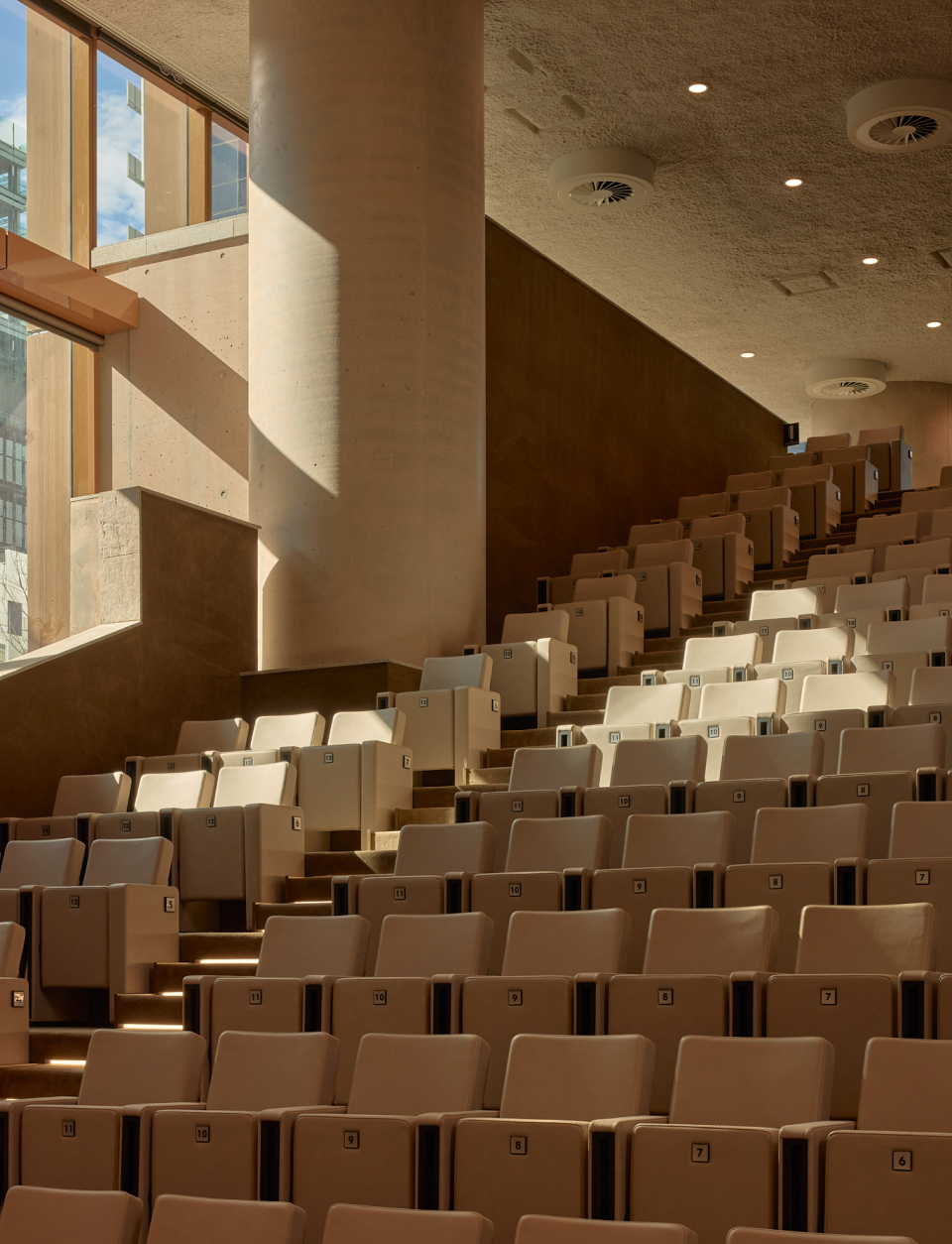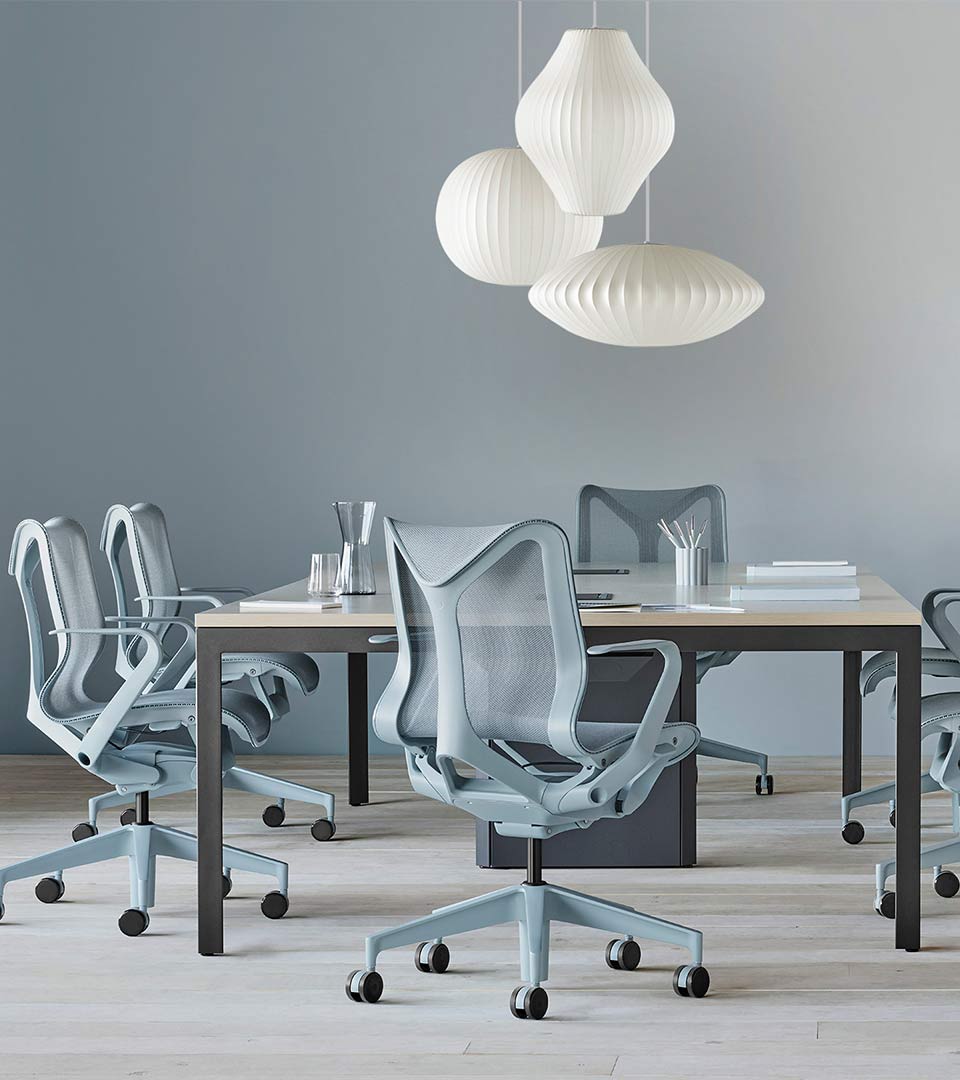



As workplace expectations change, meeting spaces need to be more versatile. Adaptable furniture, integrated technology and thoughtful layouts let the boardroom handle everything from formal presentations to collaborative discussions.
Comfort, functionality and considered design create a productive environment for decision-making
Few brands have shaped the contemporary boardroom quite like Walter Knoll. With a heritage dating back to 1865, the German furniture company is recognised for its considered craftsmanship, material quality and approach to functional design.
Its collaboration with design studio EOOS has produced a collection of conference tables and executive seating that brings together architectural form and intelligent functionality.
The Conference X Table, for example, introduces a distinctive X-shaped base and a tool-free system that allows configurations to be adapted and reassembled with ease. Its flexibility makes it particularly relevant to contemporary workplaces where meeting environments may need to serve different purposes over time.
For more tailored requirements, the Scale Media Conference Table offers extensive customisation across dimensions, shapes, materials and finishes, with integrated technology and cable management. The result is a considered solution that responds to the architectural context and practical requirements of each space.
Seating is equally important. Designed by EOOS, the Leadchair Management and Leadchair Executive collections combine supportive ergonomics with refined upholstery and carefully integrated details. Available in a range of configurations and finishes, they bring a cohesive design language to executive offices, meeting rooms and boardrooms.
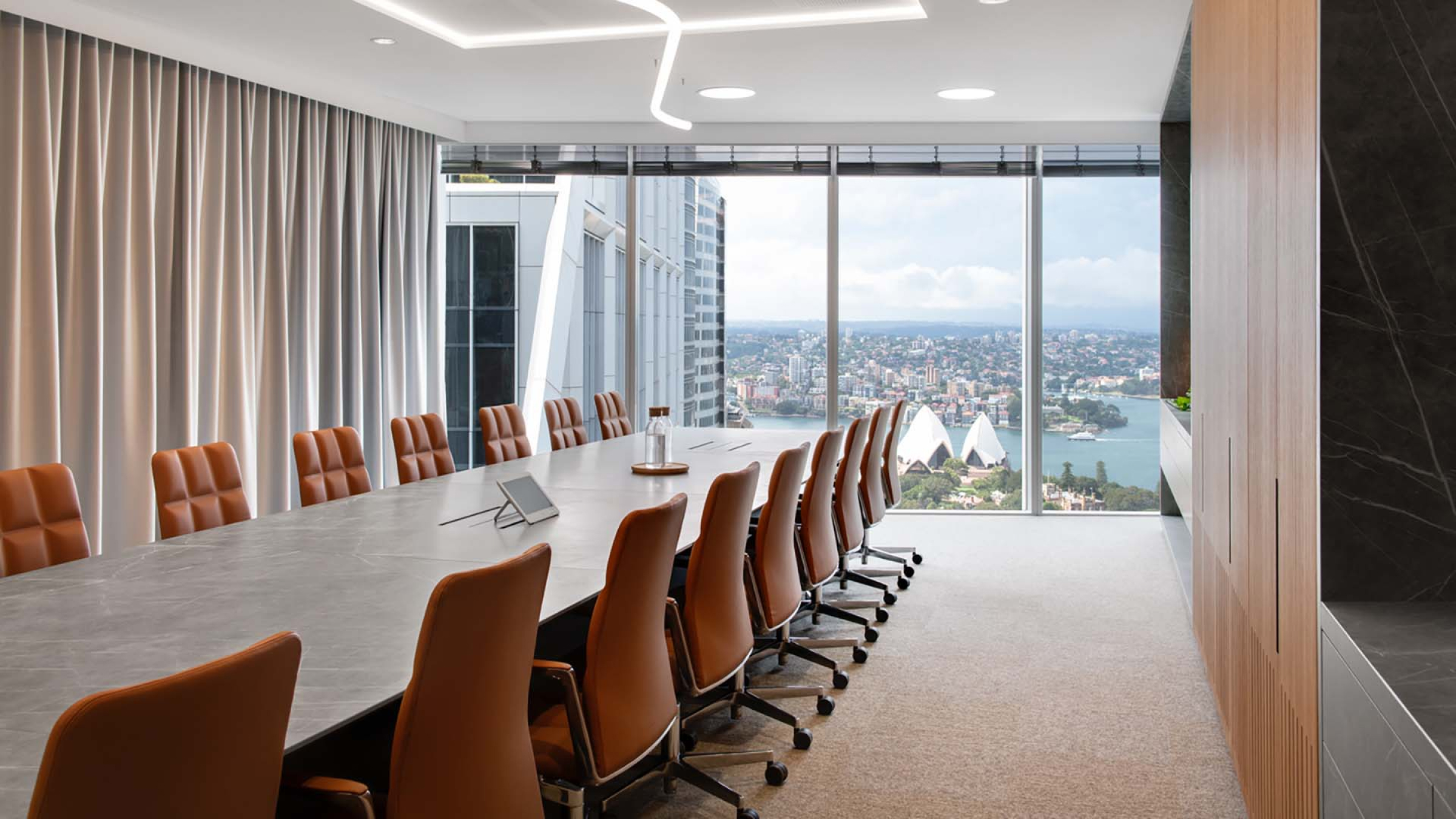
The relationship between tailored furniture and architectural context is evident in the Mizuho Bank offices in Sydney. Designed by Gensler, the boardroom features a customised Walter Knoll Scale Media table with a marble top, complemented by Leadchair Management seating. Drawing on the building’s harbour outlook, the palette of oak, soft leather and muted stone creates a composed environment that reflects the organisation’s identity.
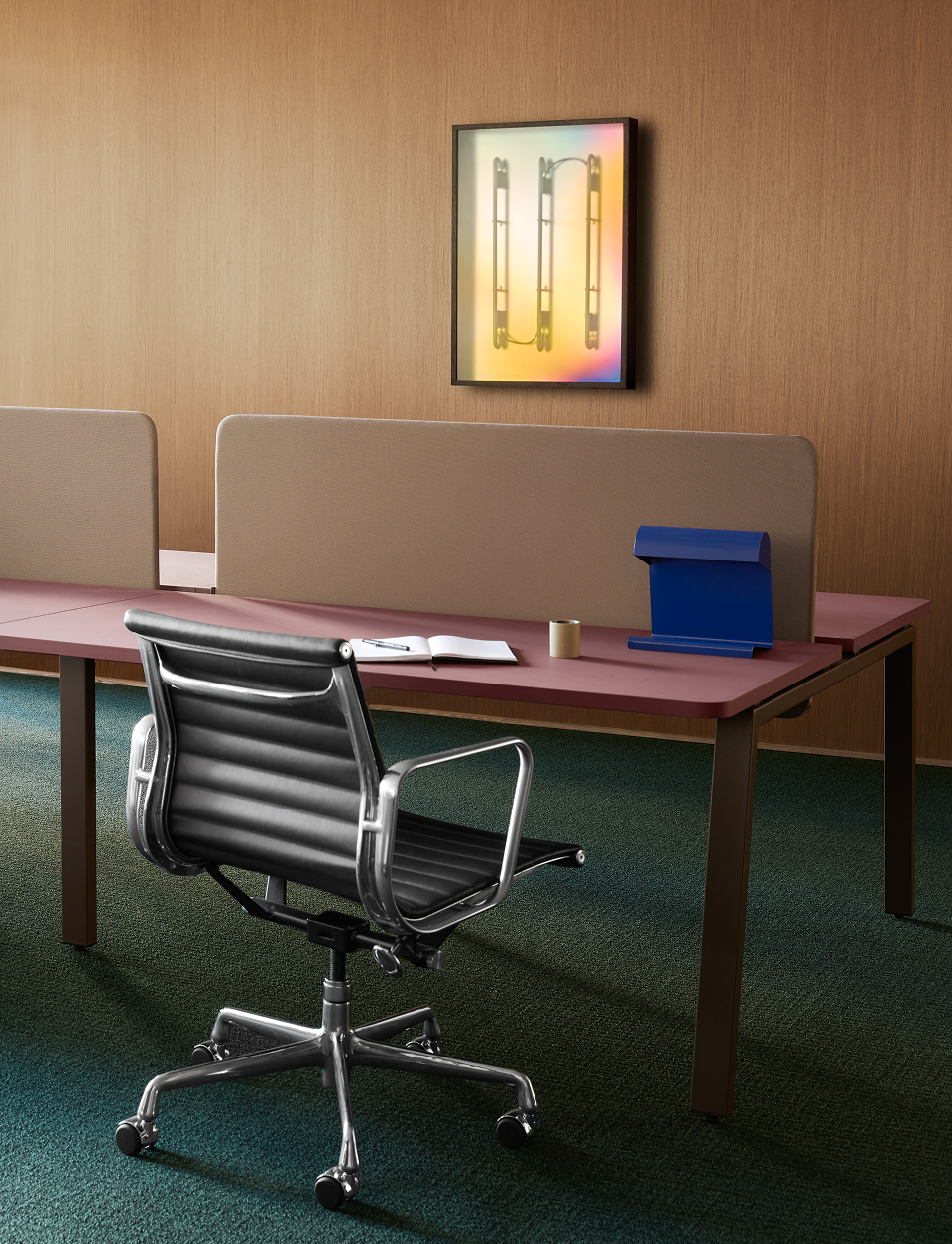
Alongside contemporary executive furniture, the work of Charles and Ray Eames continues to influence the language of the modern workplace. Through their long-standing collaboration with Herman Miller, the designers introduced furniture that brought together experimentation, material innovation and an enduring commitment to functional design. Their Eames Aluminium Group, introduced in 1958, remains a recognised choice for executive offices and meeting environments, with its distinctive profile and extensive upholstery options.
Herman Miller’s contemporary collections build on this design heritage, placing greater emphasis on ergonomic research, adaptability and user experience. The collection spans Aeron and Cosm chairs alongside the Eames Segmented Table, offering considered solutions for individual work, formal meetings and collaborative settings.
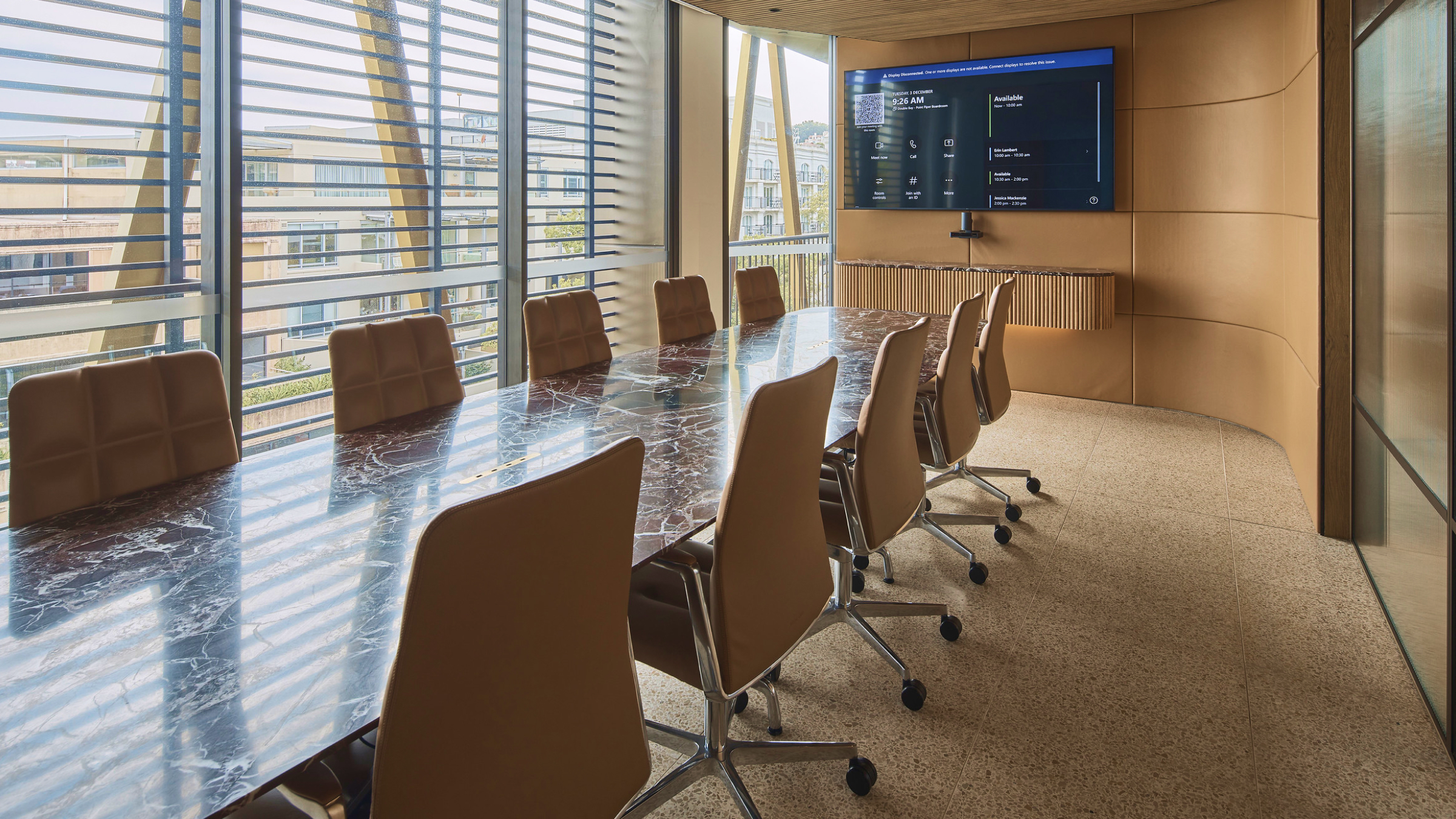
At Haben Property Group’s Sydney headquarters, designed by interior design studio the world is round, Herman Miller and Walter Knoll pieces work together across the boardroom, meeting rooms and executive offices.
A custom marble-topped Eames Segmented Table provides a distinctive centrepiece for smaller meeting settings, while Walter Knoll Leadchair Management seating anchors the formal boardroom. The combination demonstrates how established design languages can be brought together to create a workplace that feels both sophisticated and functional.
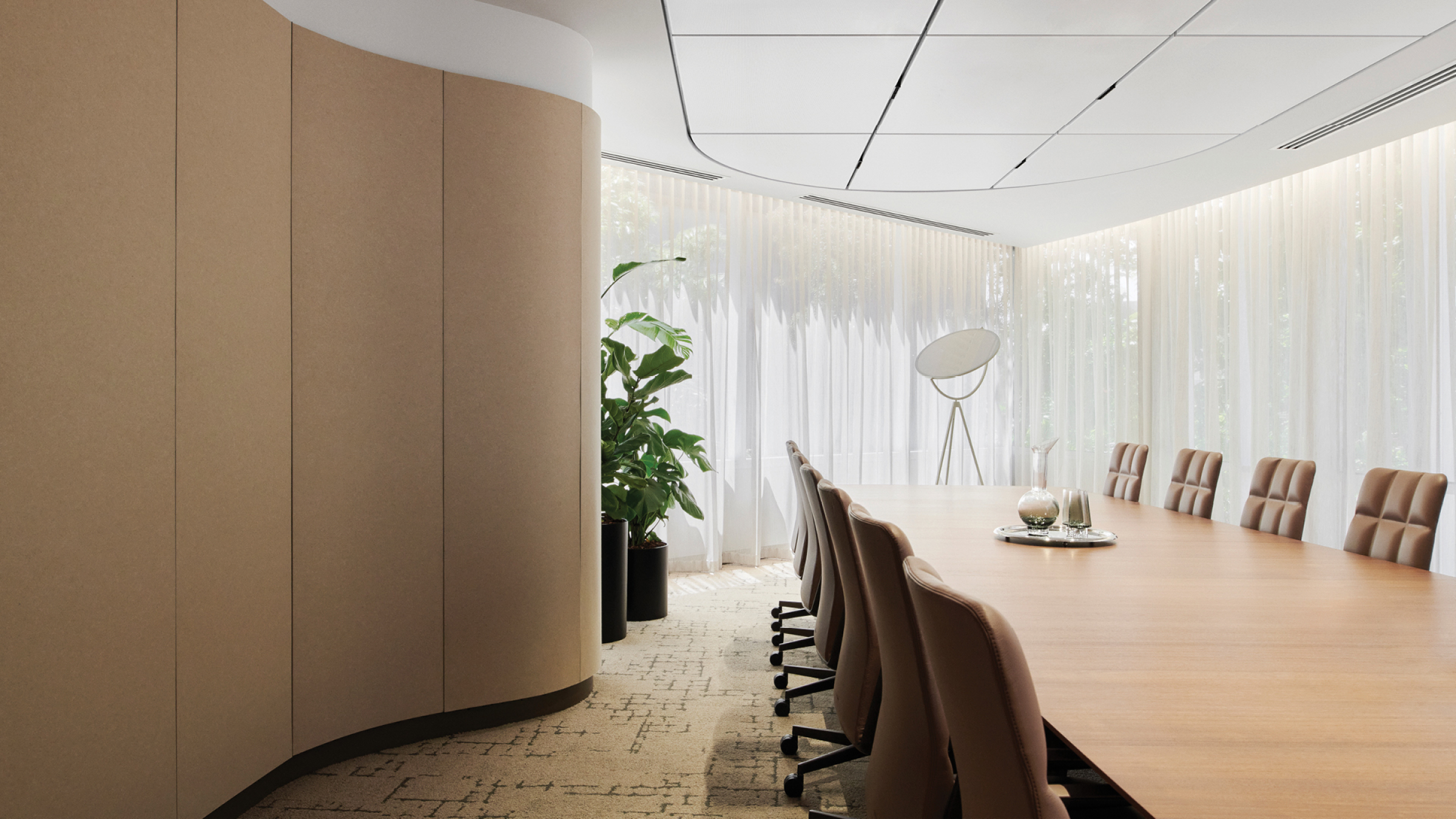
Similarly, the Qanstruct workplace, completed by Bruce Henderson Architects and Interiors, brings together a Walter Knoll Conference X table and Leadchair Management chairs within a dedicated conference room.
Lighting also contributes to the overall experience. Carefully selected pieces can establish atmosphere, complement architectural details and bring another layer of material expression to the space. At Qanstruct, the Superloon floor lamp by Flos reinforces the relationship between furniture, lighting and the wider interior.
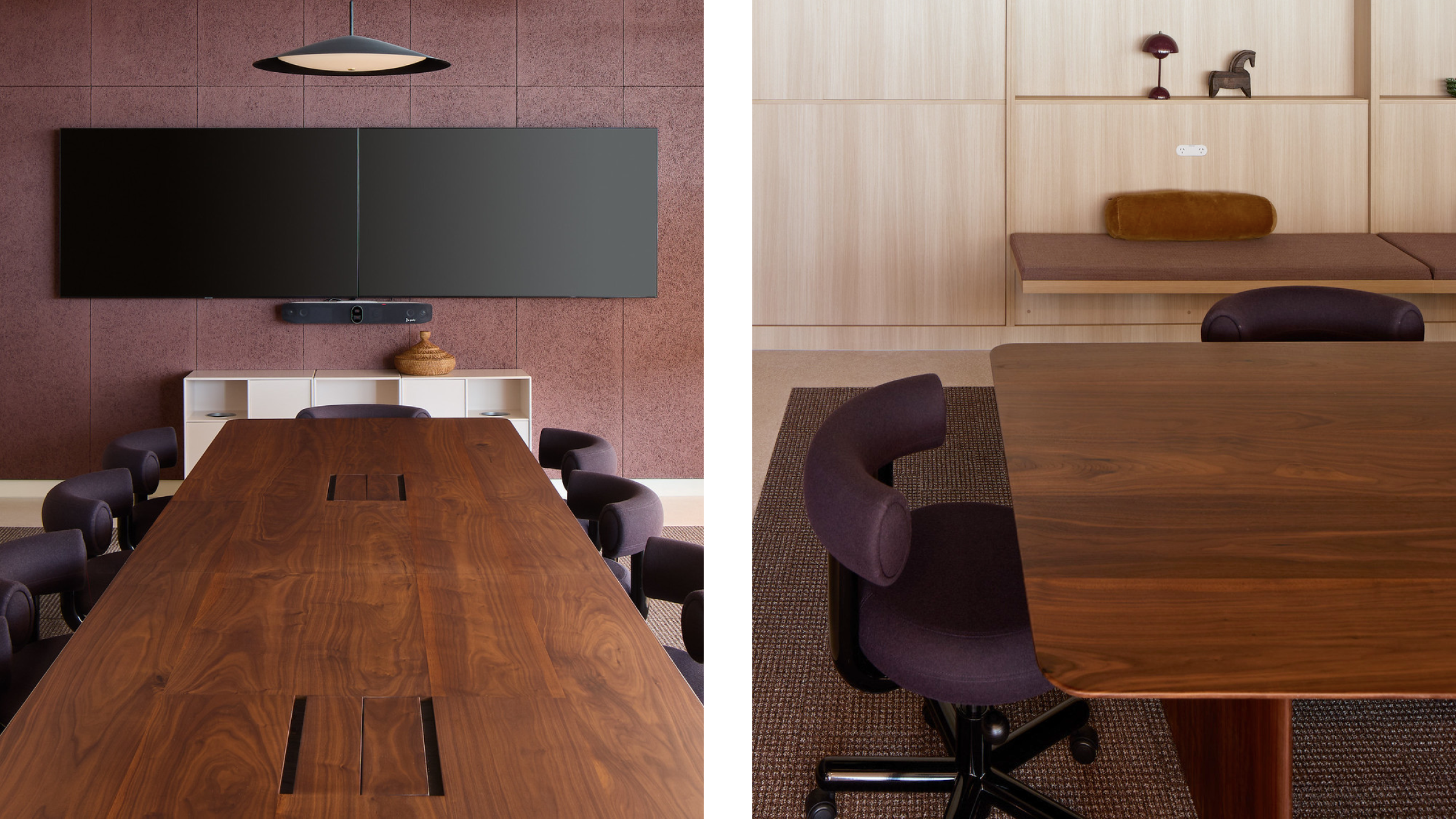
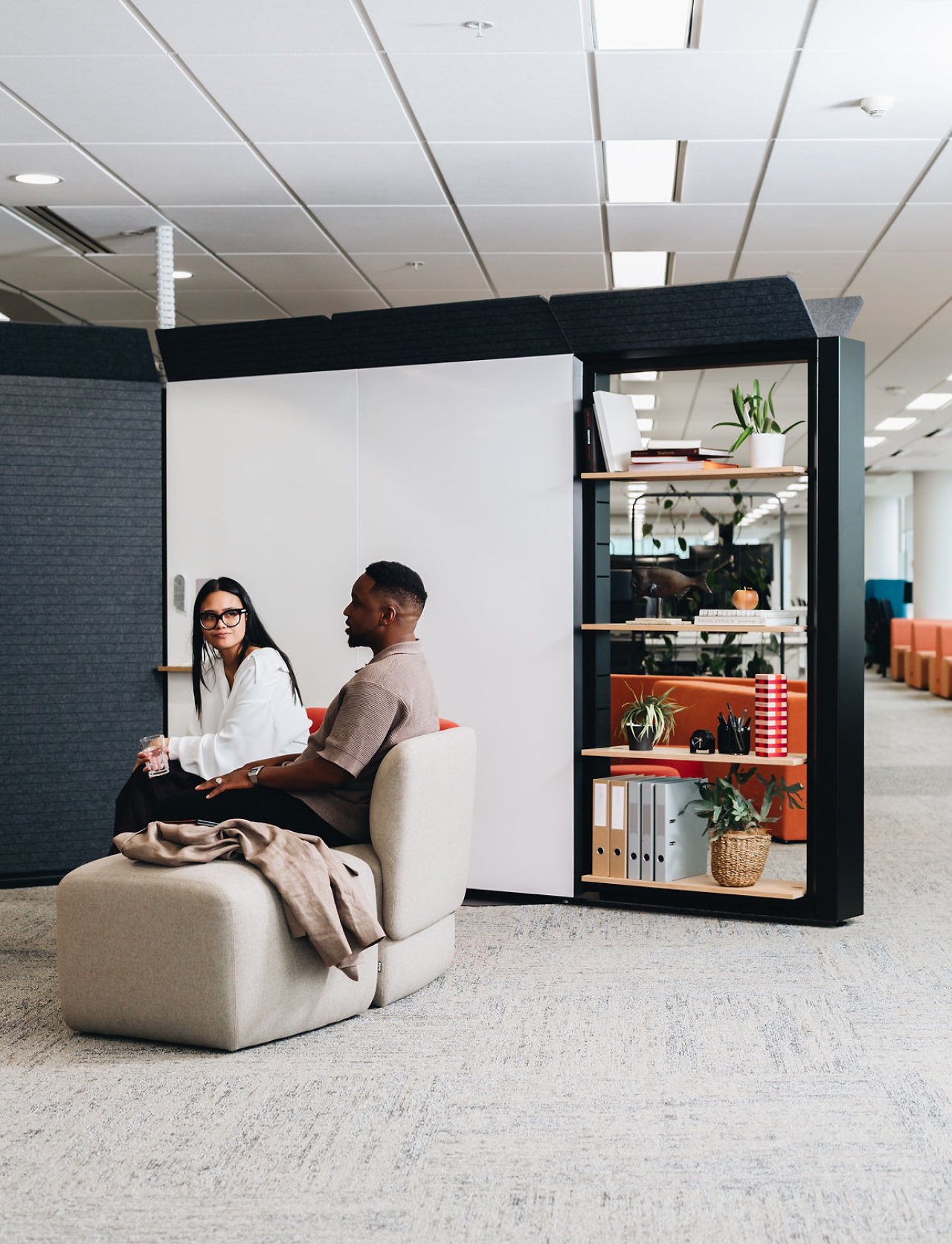
Contemporary meeting spaces are also moving beyond the formality traditionally associated with the boardroom. Softer seating, considered material palettes and distinctive lighting can introduce a more welcoming atmosphere without compromising professionalism.
At Intuit’s Sydney workplace, designed by COX Architecture, Tom Dixon Fat Work Chairs bring a more relaxed expression to the boardroom. Their generous proportions and upholstered forms introduce domestic warmth, creating a setting that encourages conversation and connection.
The project demonstrates how furniture and colour can help shift the character of a meeting environment, balancing the practical requirements of collaboration with a more individual design sensibility.
The contemporary boardroom is no longer a static environment. As organisations change, meeting spaces need to accommodate different group sizes, working styles and technologies while maintaining a consistent design identity.
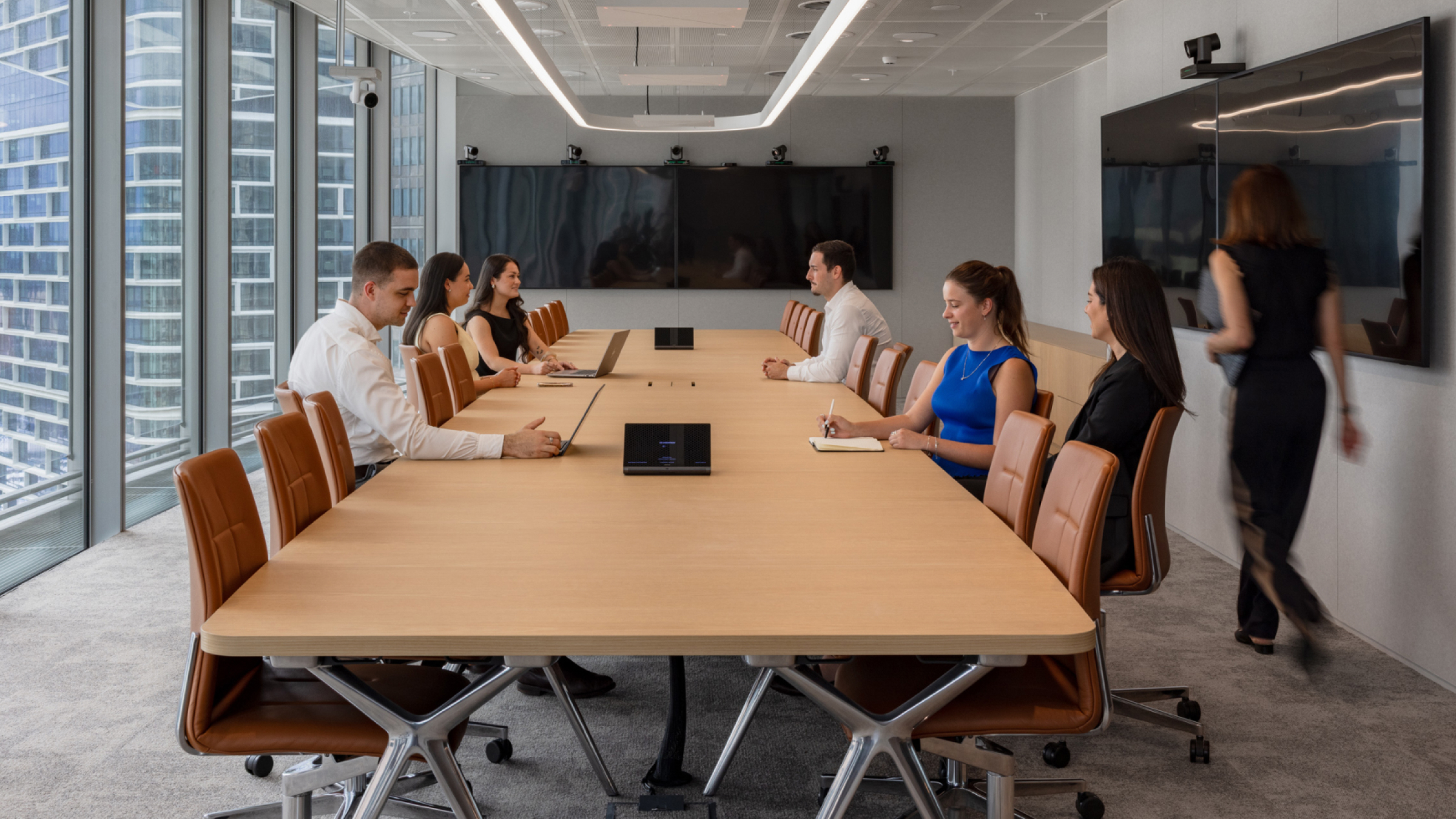
This approach is reflected in Dexus and Woods Bagot’s Forever Fitout initiative, which places adaptability and longevity at the centre of workplace design. Walter Knoll Conference X tables feature alongside Leadchair Evo seating and HOWE Tempest flip-top tables, demonstrating how carefully selected furniture can support spaces that are reconfigured and reused as requirements change.
The precision of a bespoke conference table and the comfort of a well-considered chair each contribute to the experience of the boardroom. The most successful spaces bring these elements together to reflect an organisation’s character while responding to the evolving ways people meet, collaborate and make decisions.