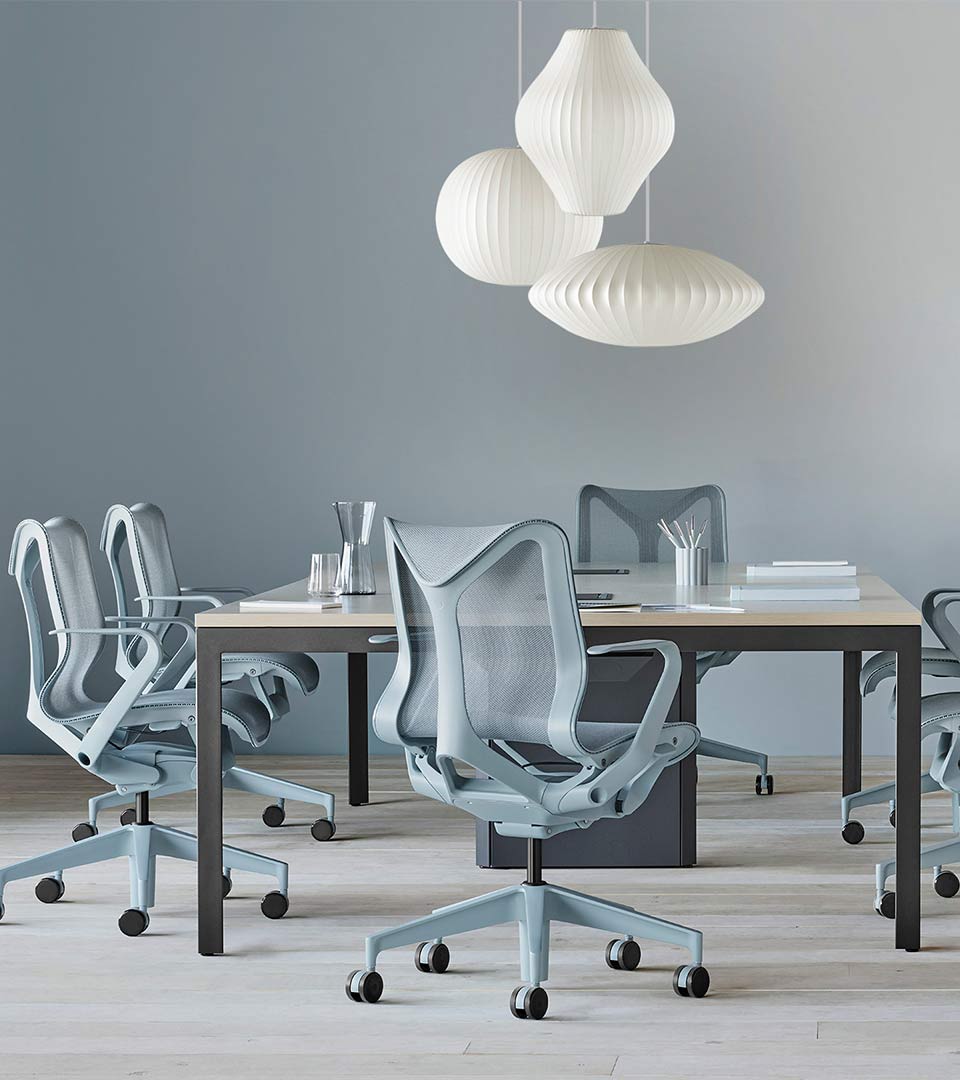



At Living Edge, workplace design goes beyond aesthetics, grounded in ergonomic excellence, sustainability, and adaptability.
Flexible furniture shaping the Future of Work
Today, workplaces should support a spectrum of work modes, from individual focus to collaborative connection. They also need the flexibility to adapt as priorities shift, teams grow, and work styles evolve, ensuring the needs of both people and the organisation are met.
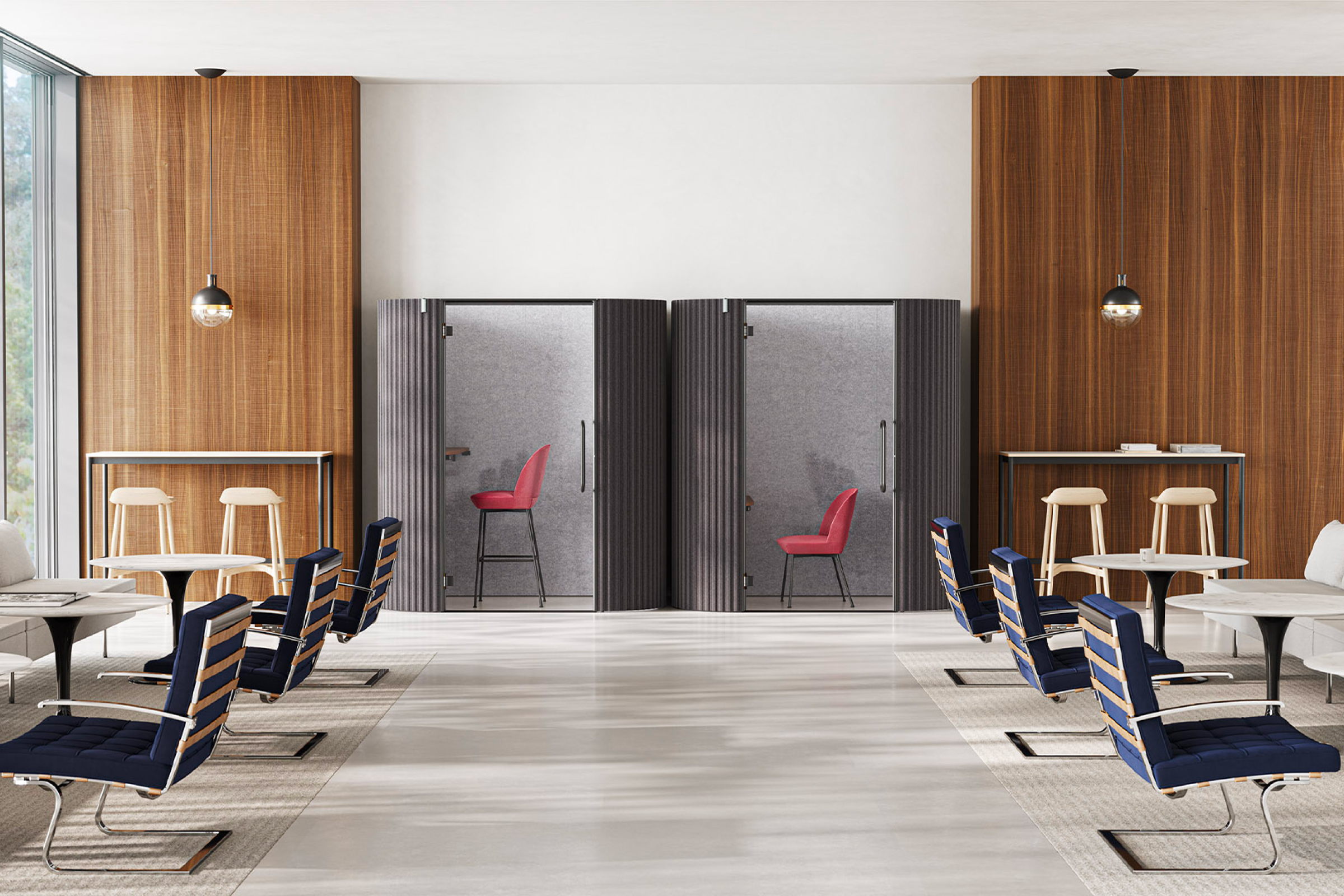
Technology, hybrid working and evolving team structures have fundamentally reshaped where, when and how we work. Yet many workplaces remain fixed and rigid, constrained by property footprints, lease terms and linear fit outs. To truly support modern ways of working, environments must be designed for change, with flexibility, circularity and long-term sustainability at their core.
Flexible and adaptable working environments support long-term success by enhancing wellbeing and performance, enabling easy reconfiguration, simplifying end-of-lease transitions, and promoting circularity through sustainability and reuse.
At Living Edge, our approach to workplace design centres on the principles of ergonomic excellence, sustainability, and adaptability. We see flexible, adaptable environments as essential to long-term success by enhancing wellbeing and performance, enabling reconfiguration, supporting smoother end-of-lease transitions, and embedding circularity through reuse and longevity.
Flexible furniture plays a strategic role in this shift. It enables workspaces to evolve with changing needs, improving performance, supporting wellbeing, and extending the value of investment while reducing waste.
Focus zones for deep work or private conversations
Collaboration spaces for creativity and teamwork
Hybrid-ready rooms for seamless in-person and remote connection
Social and breakout areas that build culture
The sound of better work
Acoustics and privacy
Workplace distractions take many forms, but noise is among the most significant. Excessive noise reduces concentration, increases stress, and lowers productivity, negatively impacting physical, cognitive, and social wellbeing.
70%of employees identify noise as the biggest distraction in open offices.
Strong acoustic comfort enhances focus and efficiency by minimising interruptions, supporting confidential conversations, and enabling deeper concentration. It benefits both individuals and teams, contributing to higher job satisfaction, improved collaboration, and measurable gains in overall performance.
66%workers in noisy environments are less productive than those in quieter spaces.
Performance for every mode
Spaces for deep concentration
Today’s workplaces often fail to adequately support focus, impacting both employee wellbeing and business performance. With only 30% of offices effectively enabling concentration, employees are frequently distracted and forced to seek out quiet spaces, leading to stress and lost productivity.
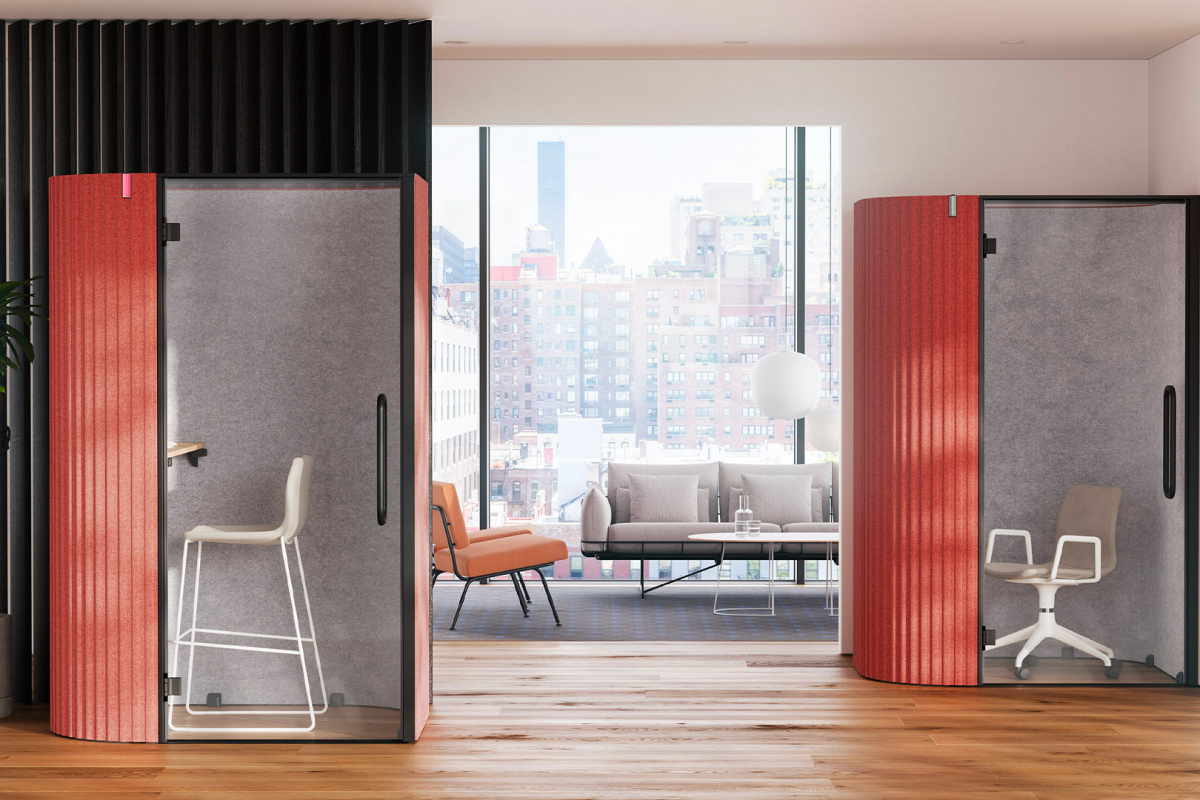
Dedicated quiet zones—such as pods and private rooms—provide the conditions needed for uninterrupted work, supporting deep focus, private conversations, video calls, and confidential discussions.
By prioritising concentration and privacy, these spaces enhance wellbeing, reduce stress, and foster a greater sense of comfort and security—ultimately enabling clearer thinking, better decision-making, and more sustainable productivity for both individuals and organisations.
Collaborative zones that connect teams
Collaborative furniture and spaces are essential for productive, inclusive meetings. Designed to foster connection and teamwork, these environments support brainstorming, workshops, and hybrid collaboration, while remaining flexible as team needs evolve.
Accessible and comfortable, collaborative zones encourage engagement and interaction without disrupting surrounding work.
The need to flex
Flexibility and mobility
As business needs evolve, many workplaces struggle to support changing team structures, workstyles, and technology—leading to reduced productivity, frustration, and weakened culture.
The solution is a flexible, future-ready workplace—enabled by modular, reconfigurable furniture and fixtures that can be easily adapted, repositioned, and expanded. This approach maximises investment, reduces renovation costs, and minimises waste.
60%of global workers are now in hybrid roles.
73%of companies are planning to increase workplace flexibility.
Thinking Sustainable
Designing out waste
Built environments and furniture are major contributors to a company’s embodied carbon footprint*. Sustainability is no longer optional—it is fast becoming a business and brand imperative.
Choosing durable, reconfigurable furniture within a circular framework reduces waste and embodied carbon, while maximising long-term value. This approach supports both organisational agility and environmental responsibility.
30,000+tonnes of furniture waste is generated in Australia each year.
95%of that furniture waste goes to landfill.
Designing for change is good for business
From day 1 to make-good
Workplace change and end-of-lease make-good requirements cost organisations millions each year.
Adaptable, considered design solutions help keep workplaces aligned with evolving needs—whether at the start of a lease, during periods of growth, shifts in workstyles, short-term tenancy changes, or lease-end make-good.
As businesses evolve, so too should their spaces, supporting both immediate requirements and long-term strategic goals.
Smart Pods
Framery
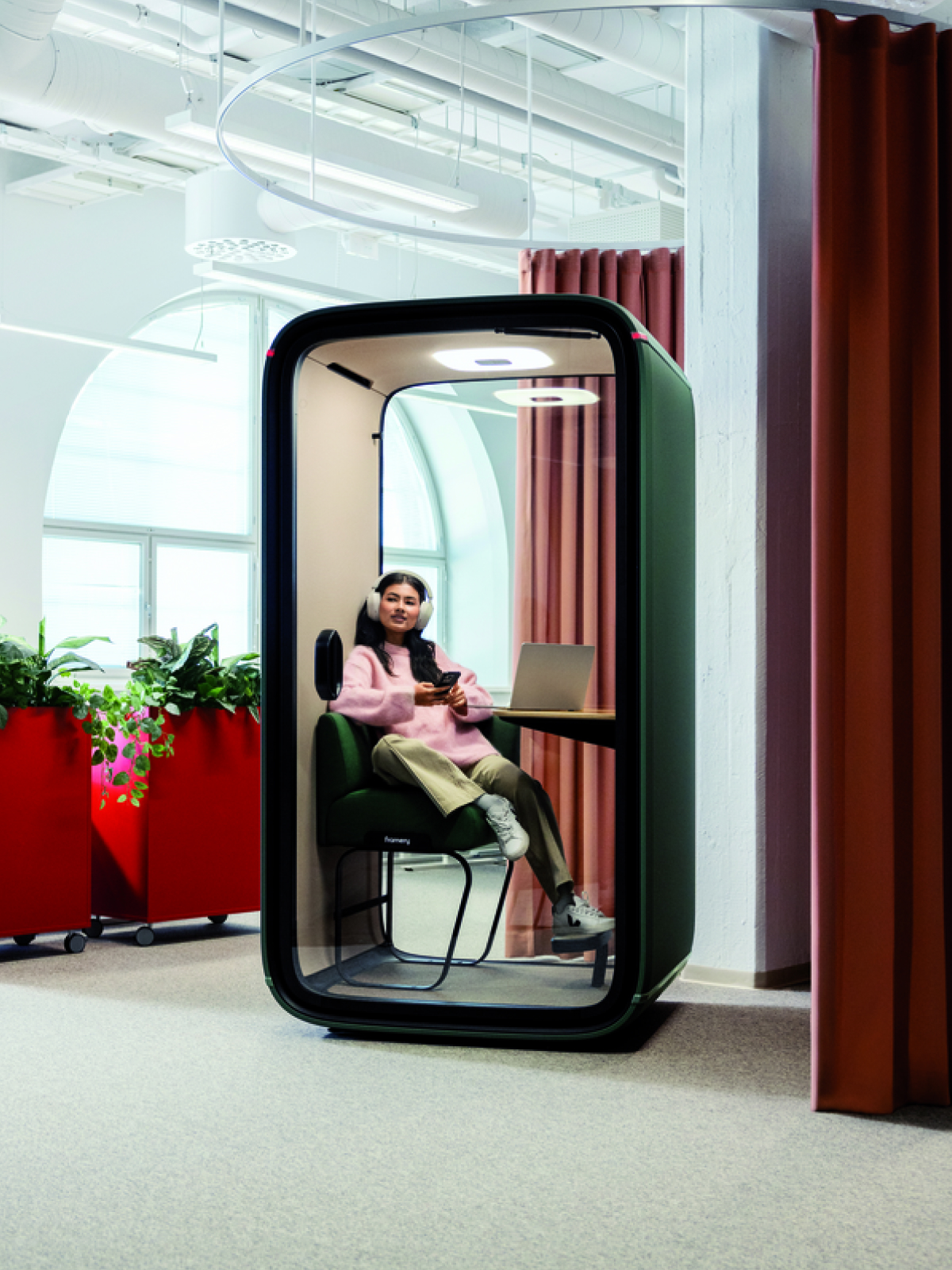
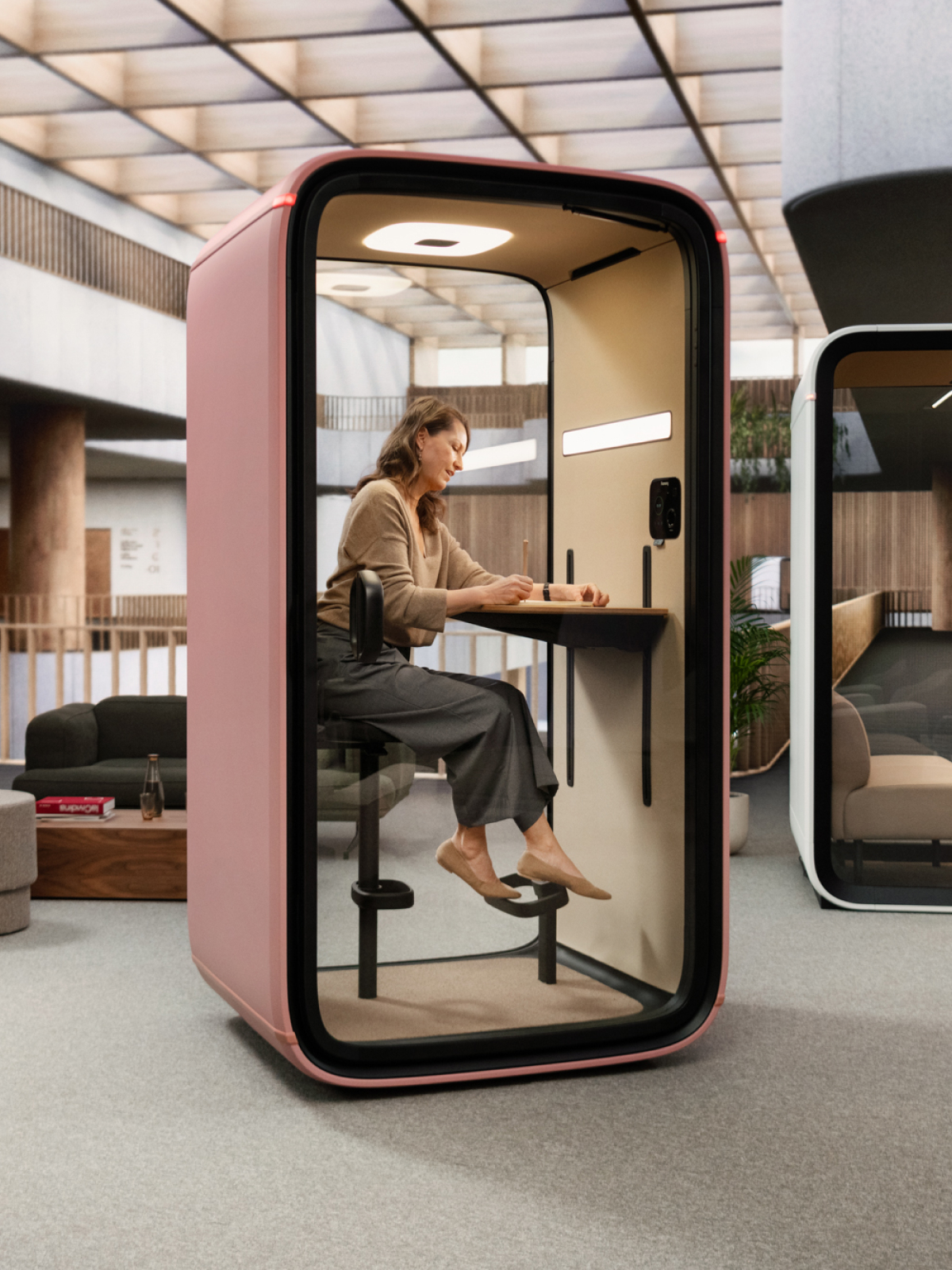
Framery acoustic pods deliver effective soundproof performance, isolating noise and creating a quiet space for focus or privacy. Its industry-leading soundproofing supports acoustic privacy and reduces interruptions in open-plan environments, accommodating individual focus to small group meetings. Integrating lighting, seating, ventilation and digital features, the pods are available in four sizes and a range of finishes.
Framery pods have been designed for flexibility and can be relocated within office environments to support changing layouts, while an online booking system enables usage analytics. A leasing model also allows them to be added or removed in line with evolving requirements.
Agile Wall
A.Works
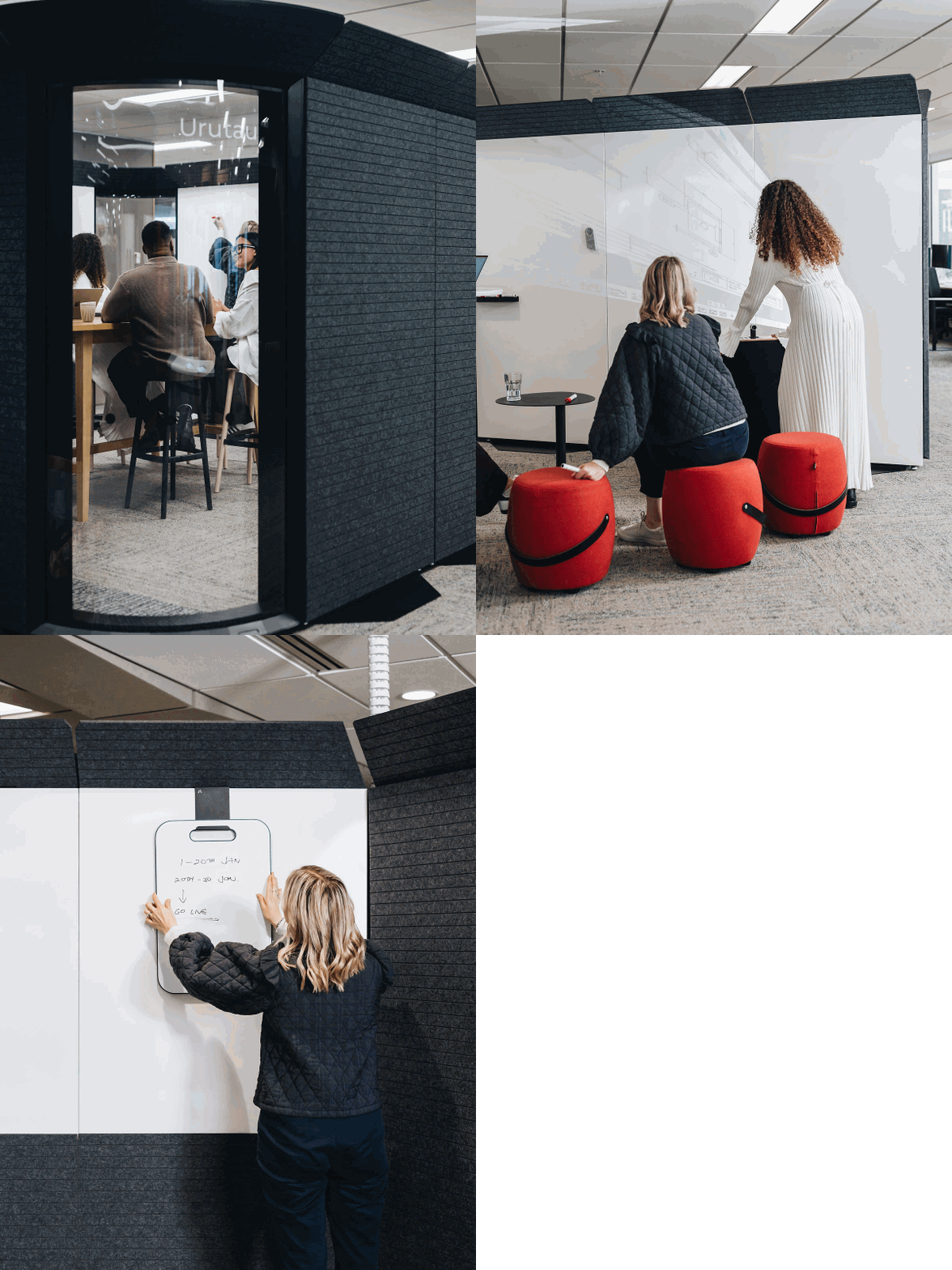
The Agile Wall by A.Works is a versatile and flexible wall system designed to easily adapt to evolving spatial needs. The simple construction allows for a flexible separation in space, visual privacy and acoustics isolation while offering a modular solution that can be repositioned and reshaped with additional functions added.
Agile Wall offers a range of magnetic whiteboard, acoustic and decorative skins, that are interchangeable along with transparent panels, planters and shelf options. Agile Wall provides a cost-effective, sustainable solution to define space, with different settings able to accommodate changing modes of work, improve collaborative and individual productivity. Its tool-less, modular design allows for easy disassembly and reuse, providing significant return on investment.
Bay Pods
Herman Miller
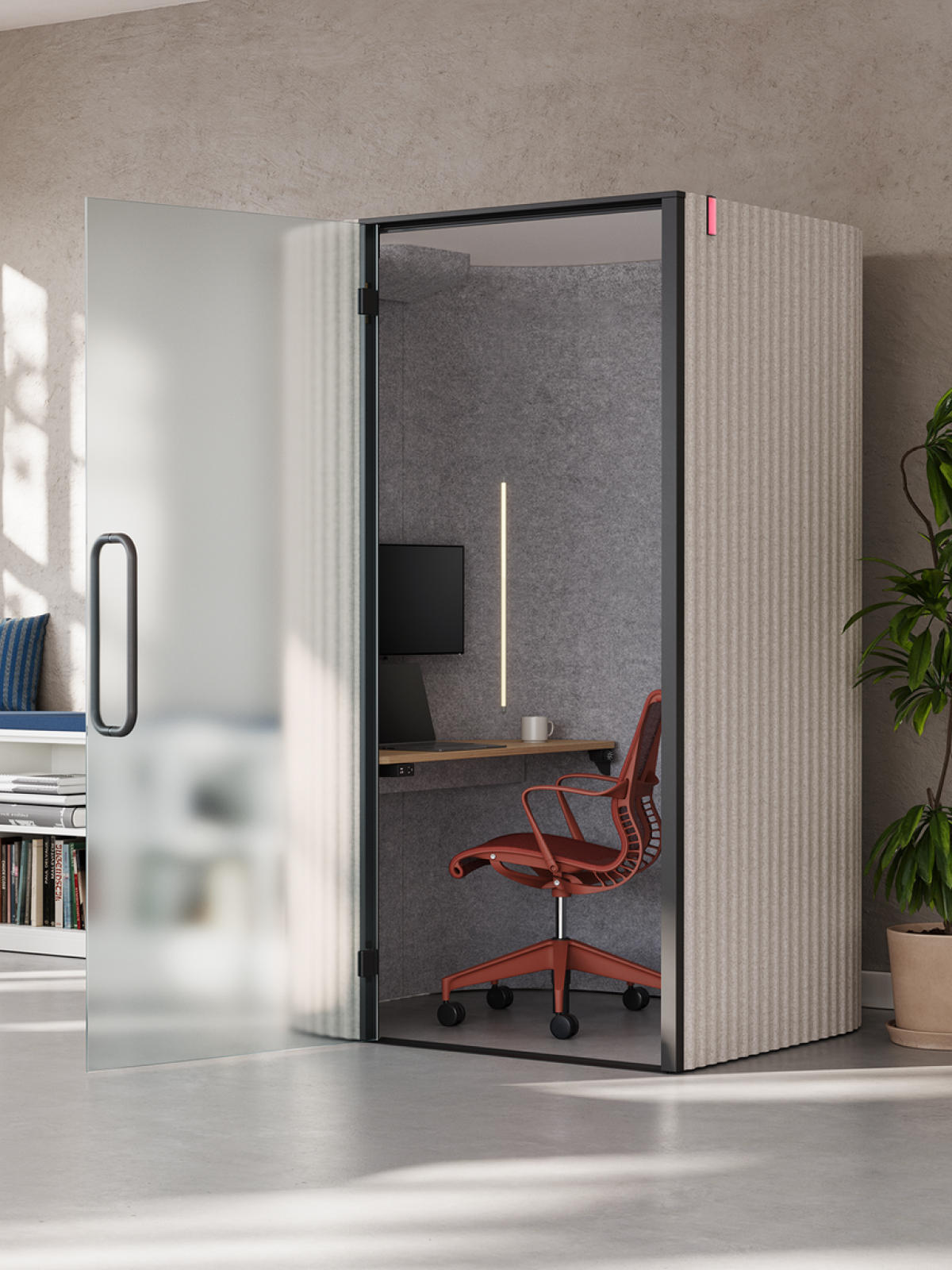
Herman Miller Bay Pods are designed to integrate seamlessly into neighbourhood planning, creating distinct zones within open-plan spaces to support both virtual collaboration and privacy. The pods offer a quiet, enclosed environment for virtual teams to come together while maintaining privacy and reducing distractions. Designed for agility and change, their modular construction can be easily repositioned and without a raised floor allowing for easy accessibility.
In line with Herman Miller’s sustainability approach, Bay Pods are made using environmentally conscious materials and manufacturing processes, promoting long-term sustainability and reducing environmental impact.
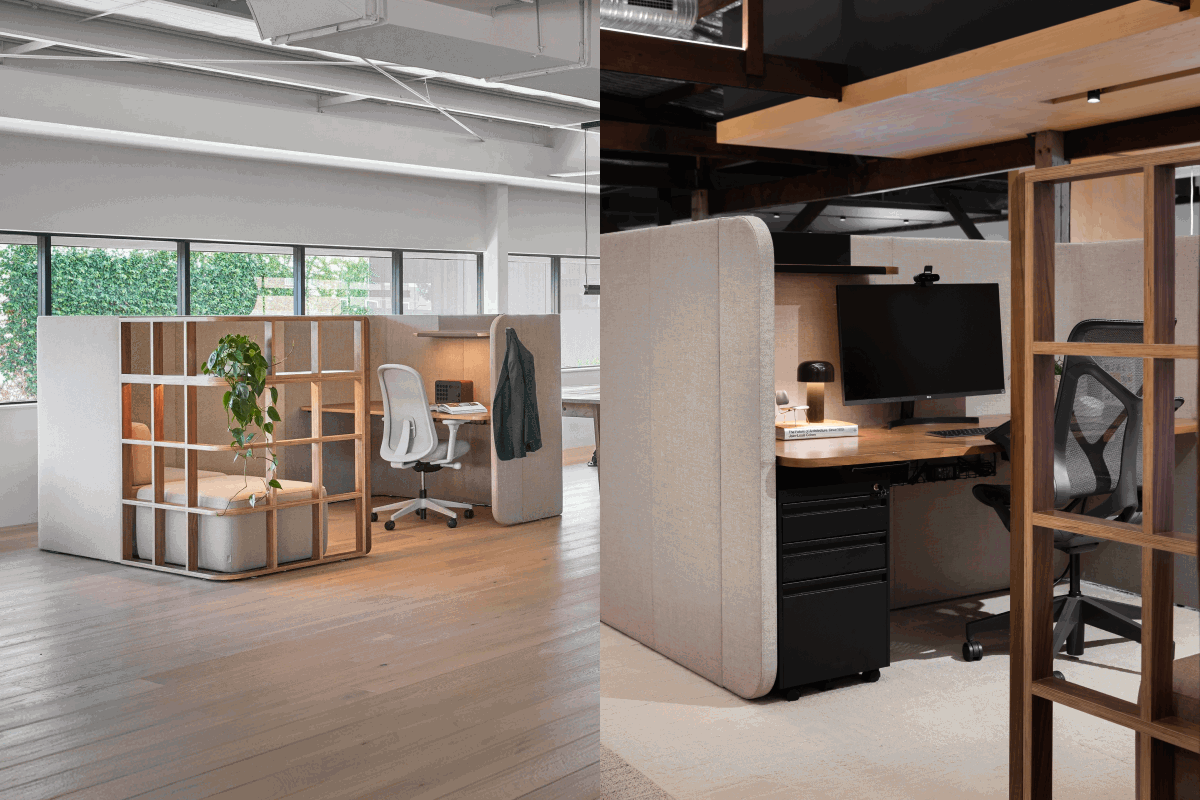
Bloc
Caon Design Office
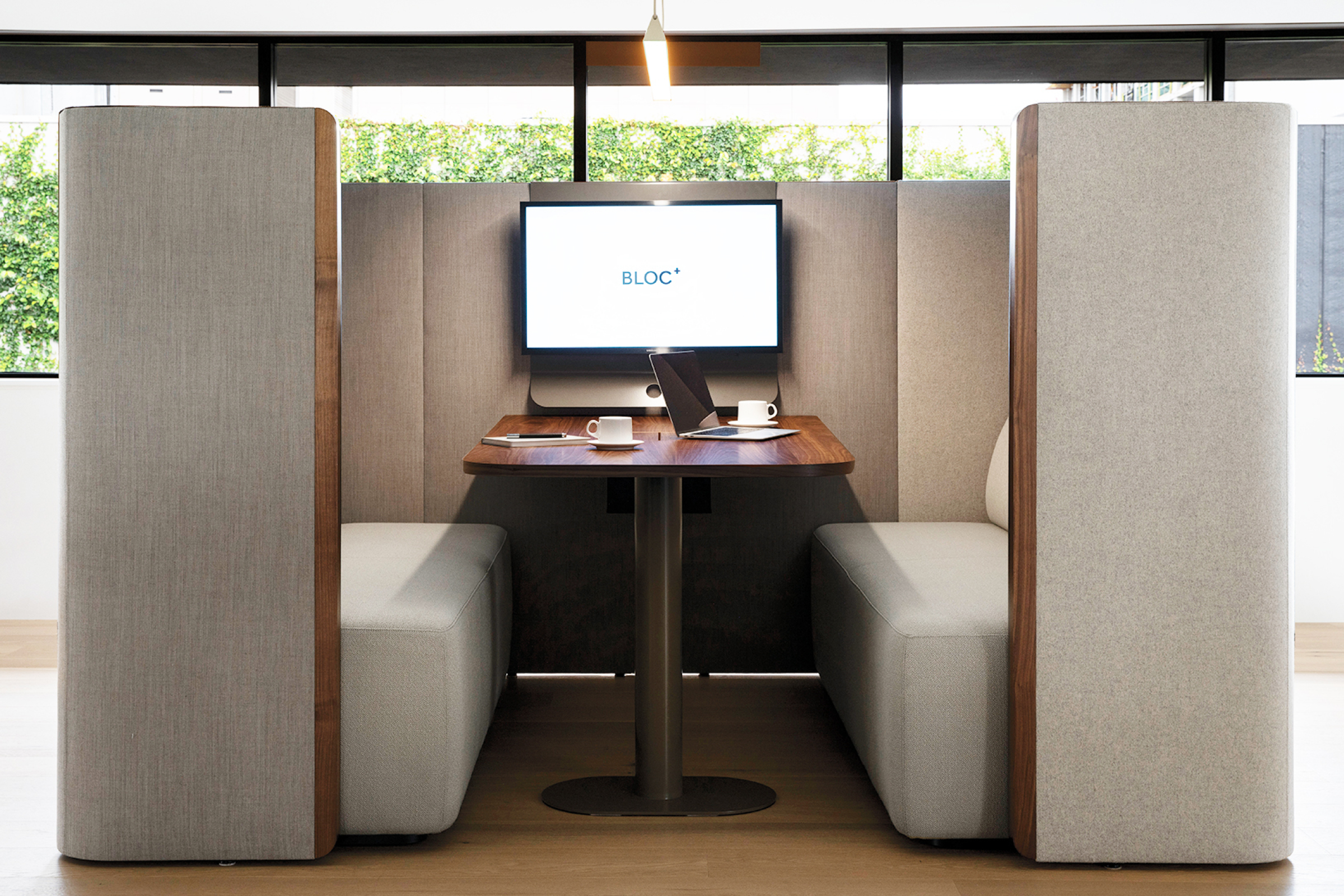
Designed by David Caon, Bloc is a modular and multifunctional furniture system that offers flexible configurations, allowing office spaces to adapt to different functions and team dynamics. The system features interlocking upholstered acoustic panels that enclose seating areas, providing both sound absorption and a sense of privacy. Ideal for agile or hybrid teams, Bloc supports collaboration, focus, and flexibility in dynamic work environments.
Locally designed and manufactured, it prioritises sustainability by reducing transportation impact and promoting eco-conscious production. Easily reconfigurable and repurposable, Bloc also ensures long-term reuse potential, helping to reduce waste in future office setups.
Flexible, future-fit workplaces are no longer a nice-to-have, they’re a strategic advantage. By enabling performance, building resilience, attracting talent and extending asset life, thoughtfully designed environments position organisations to adapt and thrive amid constant change. Just as importantly, they support more sustainable outcomes, reducing waste and carbon impact through smarter, circular design.