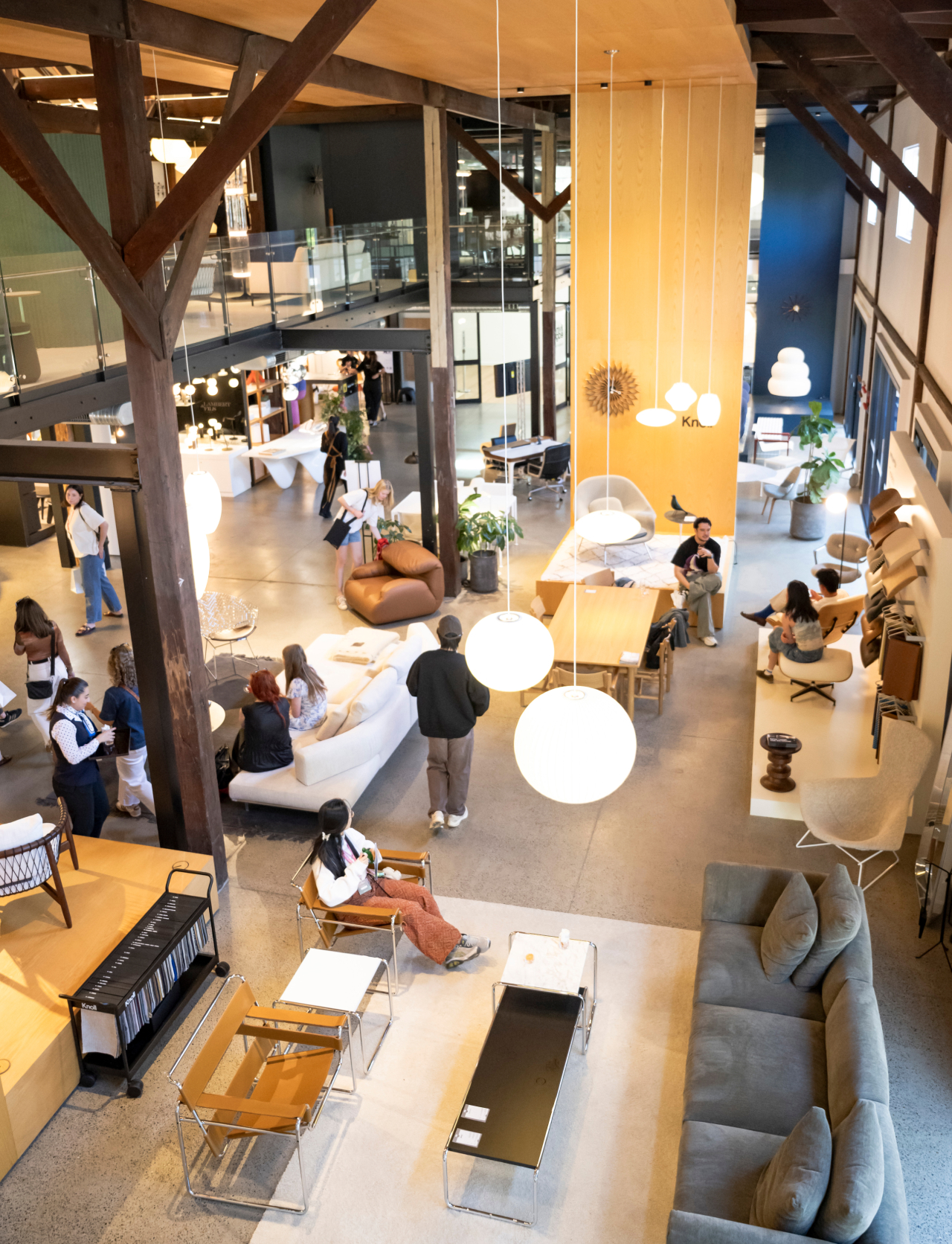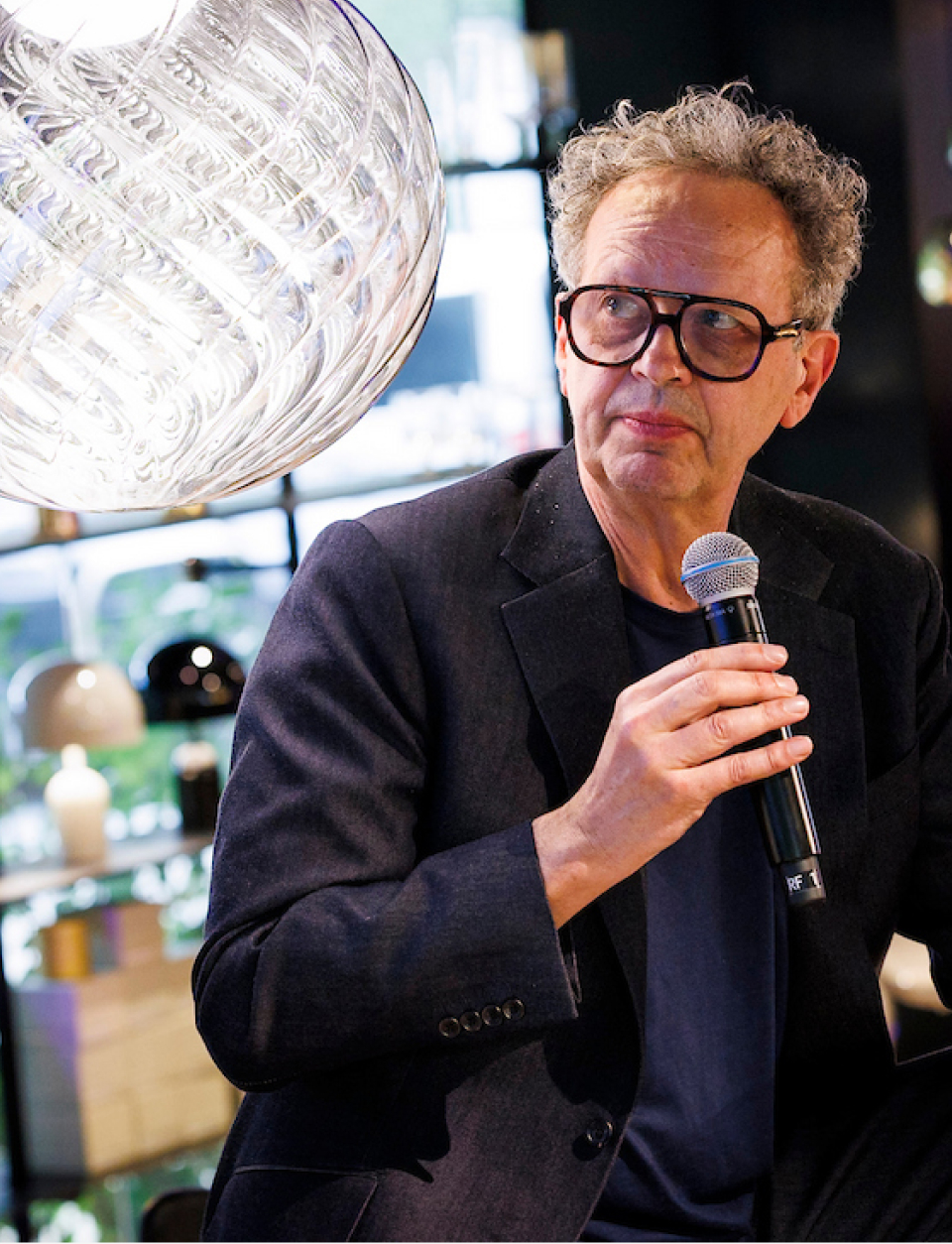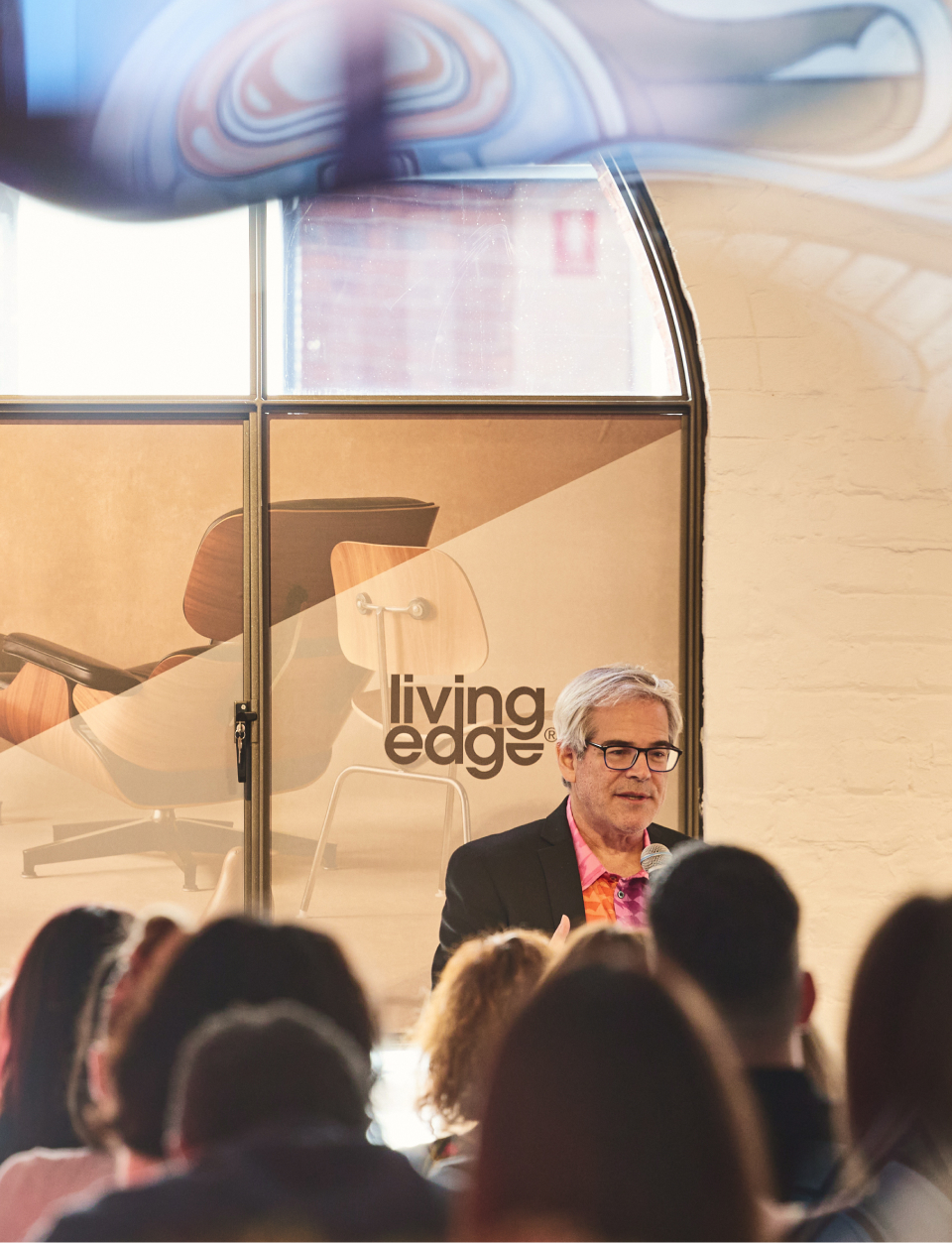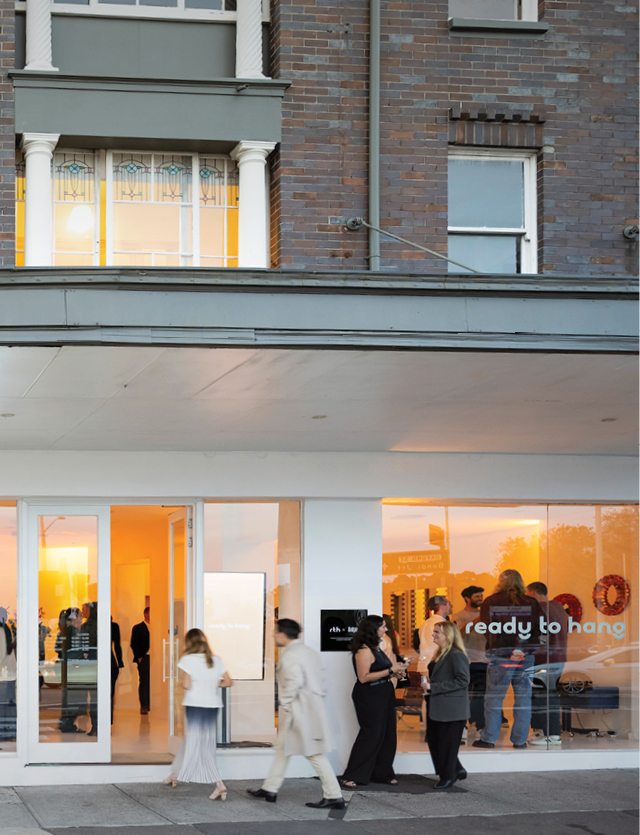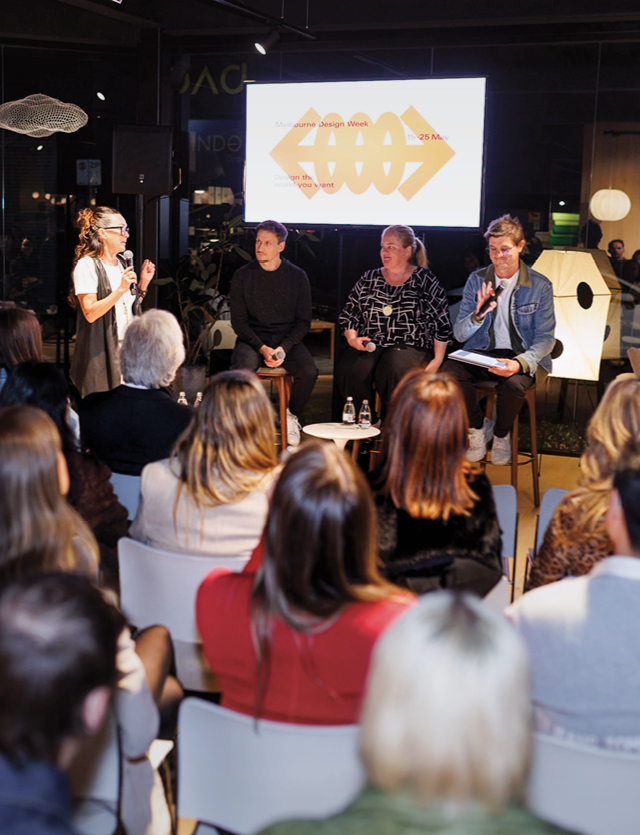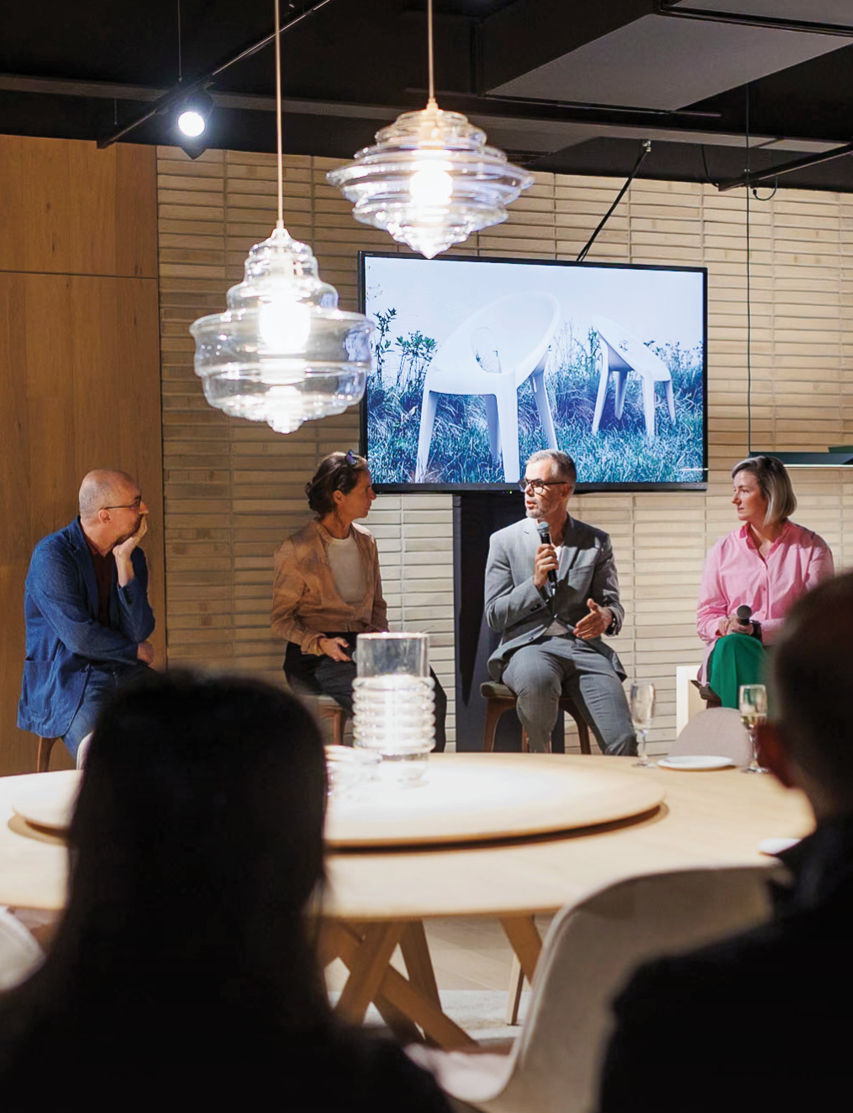



At Saturday Indesign 2026, four Australian design voices explored how this convergence is reshaping design practice.
When workplace, residential and hospitality typologies overlap.
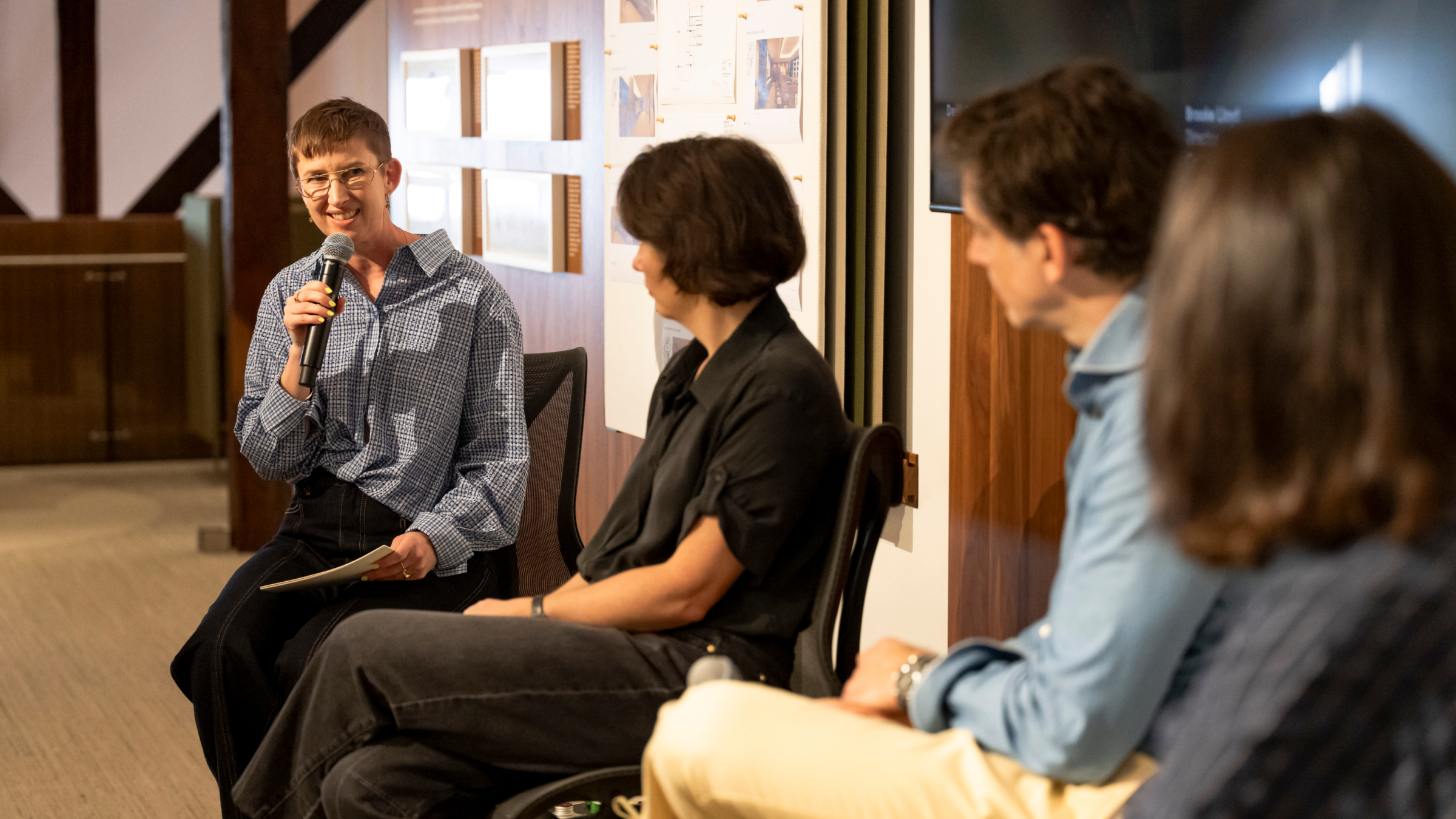
At this year's Saturday Indesign, Living Edge hosted a panel discussion exploring the increasingly fluid boundaries between workplace, residential and hospitality design.
Moderated by Alice Blackwood, the conversation brought together David Caon of Caon Design Office, Brooke Lloyd of Cox Architecture and Simone McEwan of Nice Projects to consider how these shifts are changing the way designers approach experience, connection and sense of place.
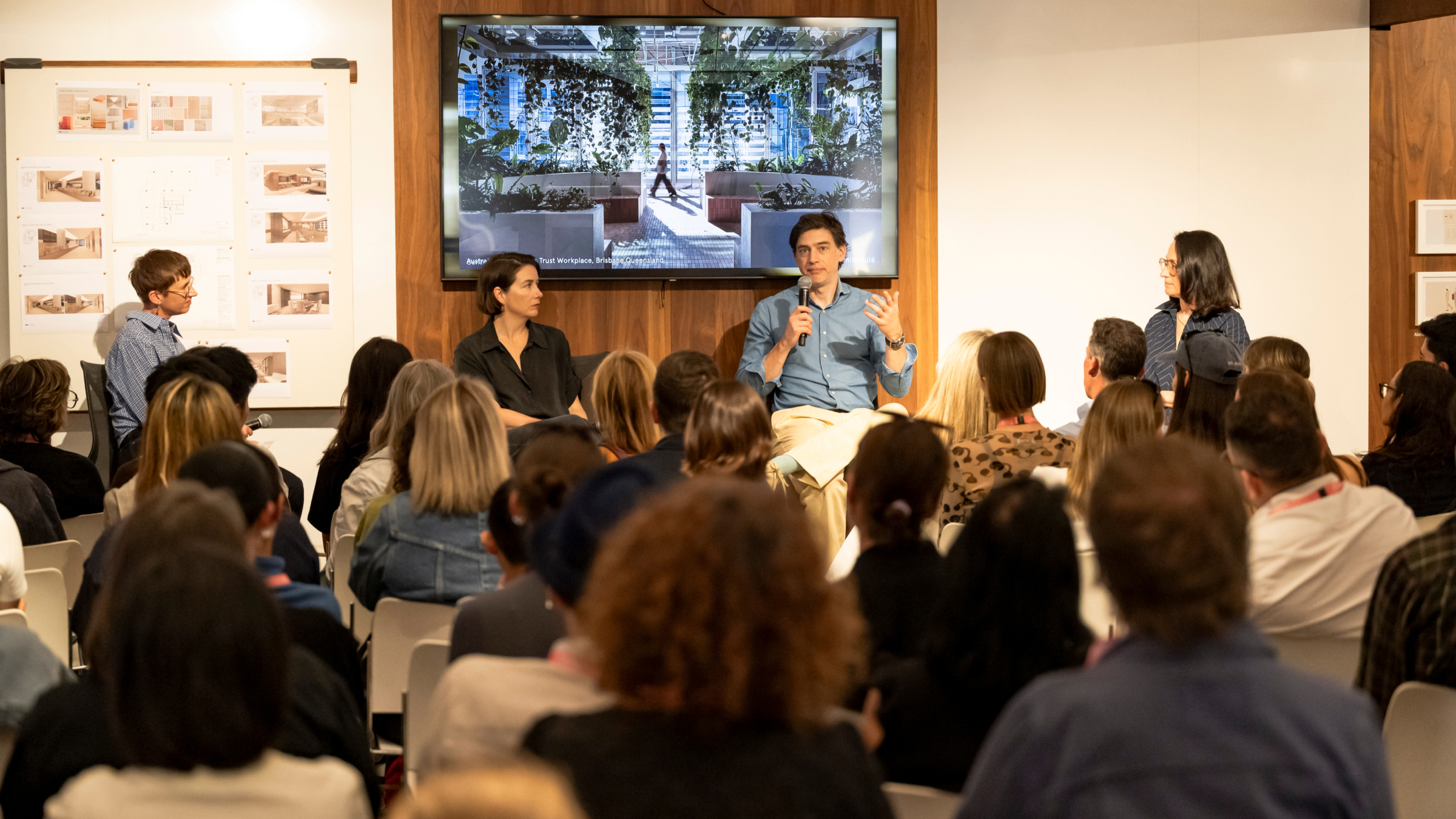
The discussion moved across airport lounges, workplaces and hotels, revealing a common thread: spaces are being designed less around traditional categories and more around the people who use them.
Reflecting on two decades designing for Qantas, David Caon pointed to the airport lounge as one of the clearest examples of blurred typologies: part business centre, part living room and part world of its own.
There's not a lot else that is like an airport lounge — it's got to do a lot of things for a lot of different people.
David Caon
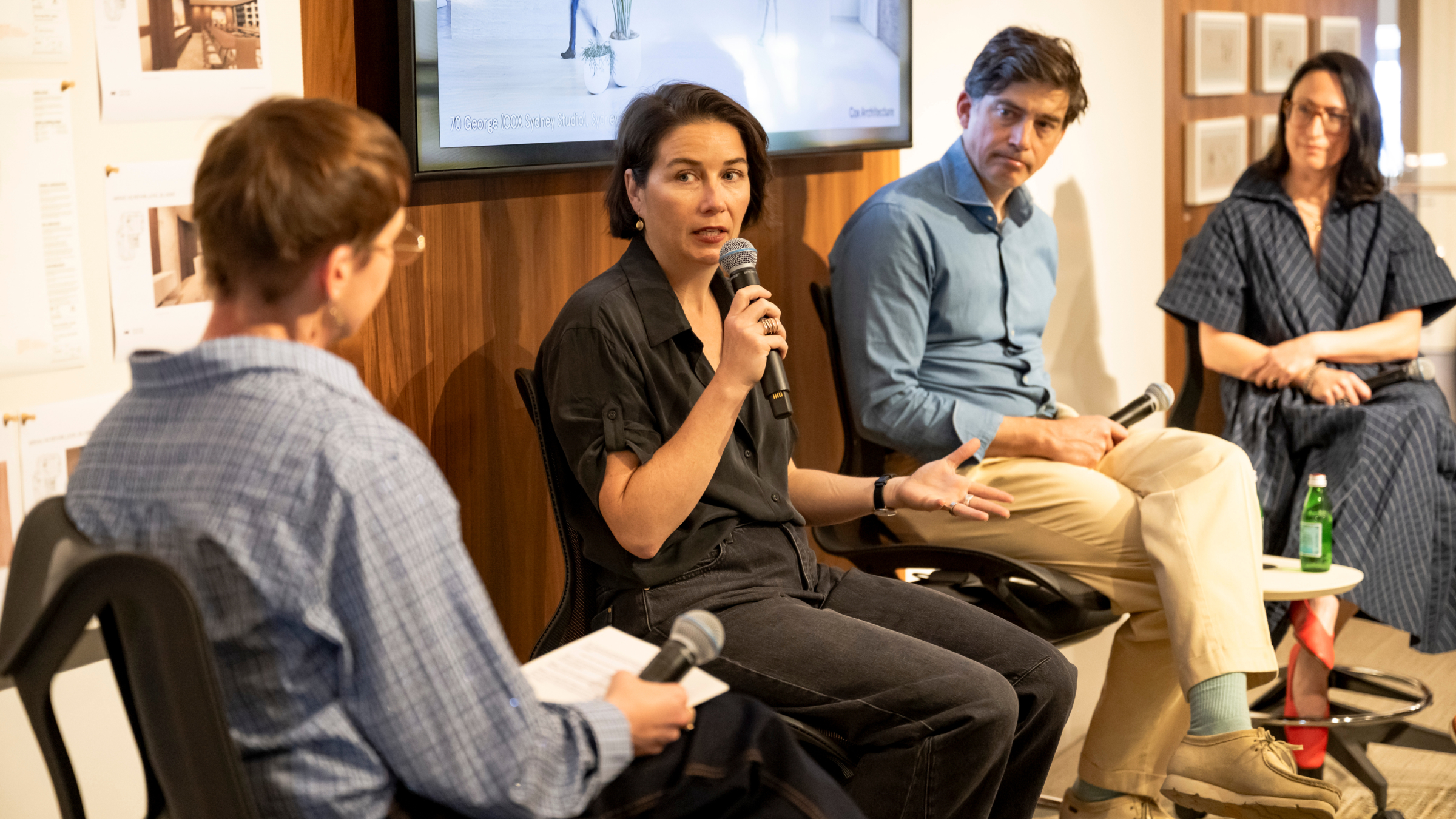
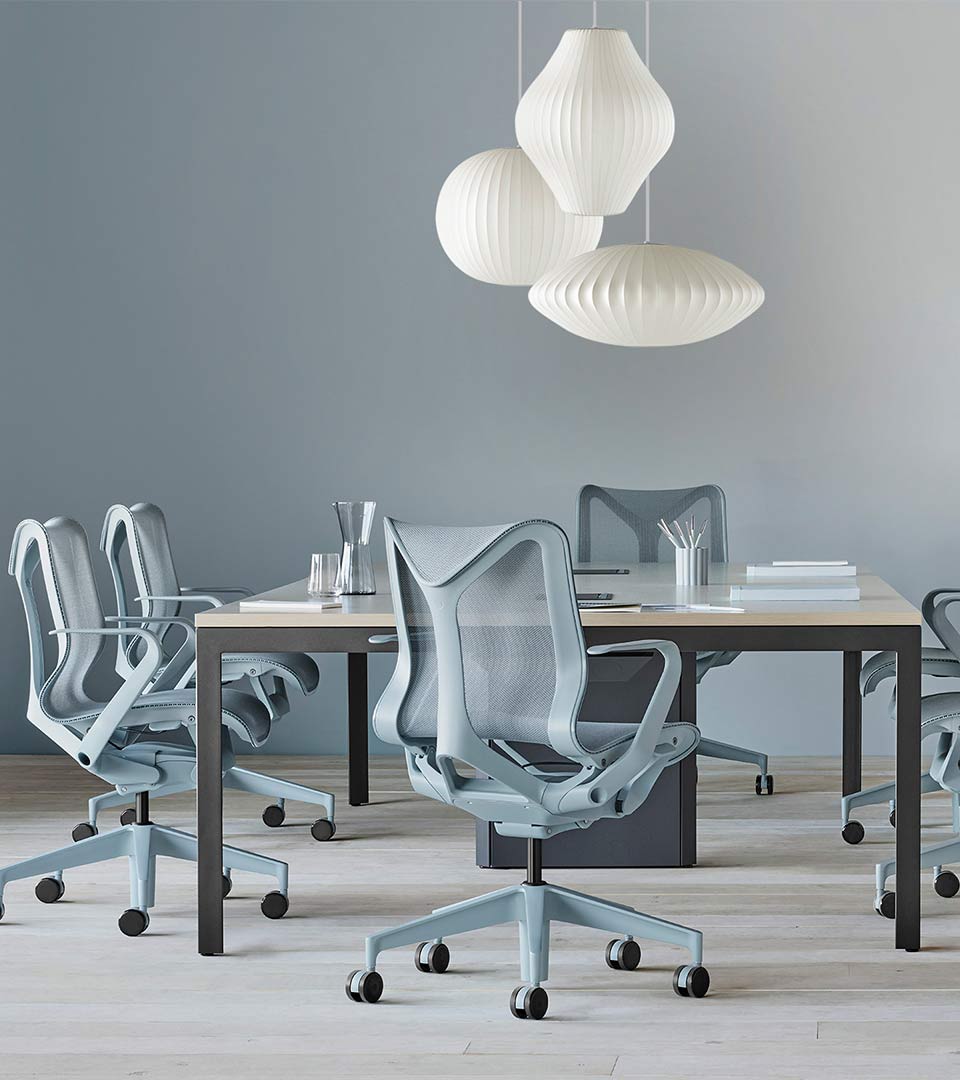
That same crossover is increasingly visible in the workplace, where the emphasis has shifted from simply accommodating work to creating places people actively want to spend time.
As work becomes increasingly untethered from the office, workplaces are taking on a different role: bringing people together. Softer materials, warmer lighting and more varied settings are helping create spaces designed for gathering, collaboration and connection.
Brooke Lloyd of Cox Architecture pointed to projects such as Canva and
Intuit
as evidence of this broader change.
The workspace now represents what technology can't satisfy, and that's human connection.
Brooke Lloyd
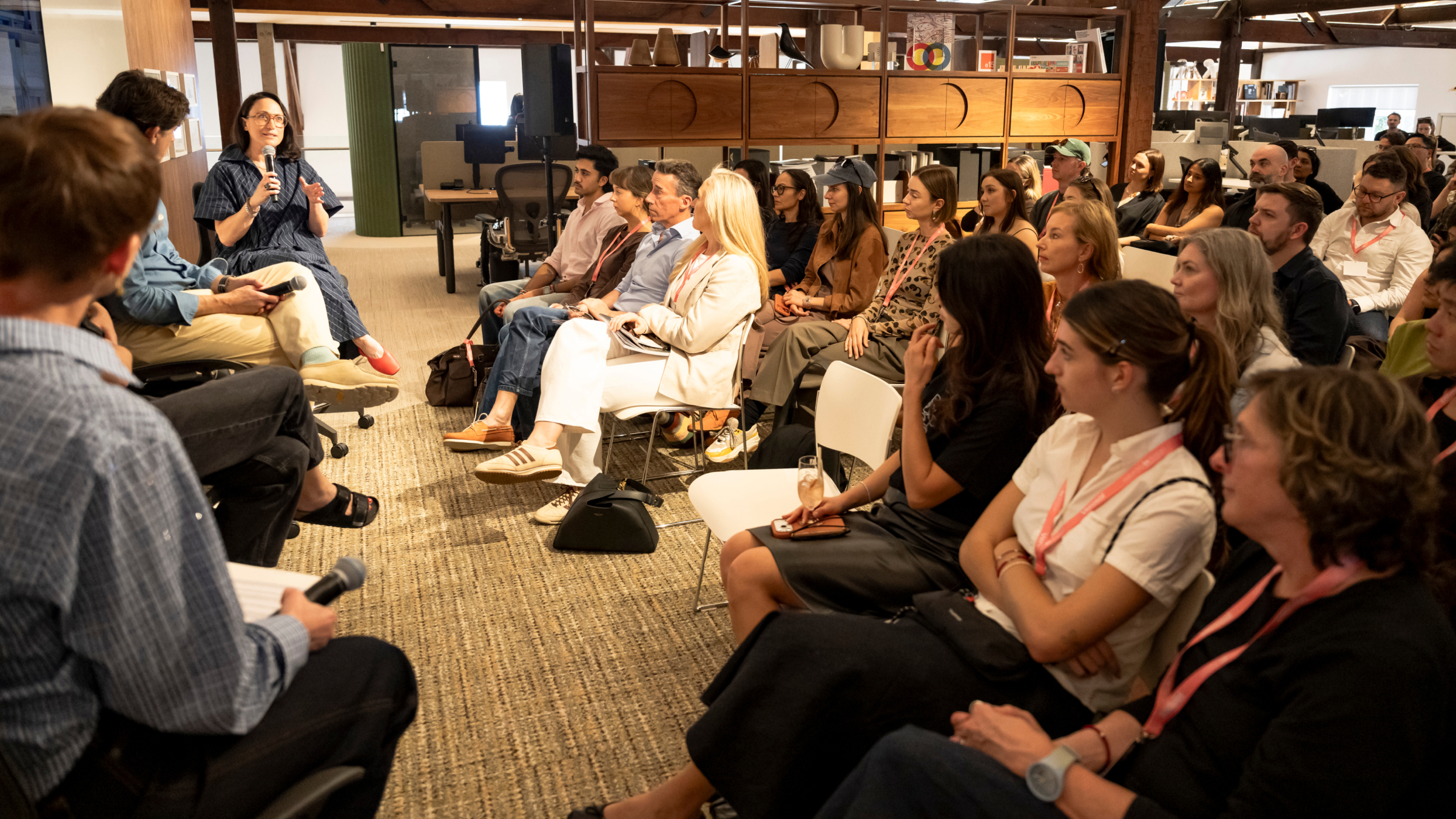
In hospitality, the evolution is taking a different form. Working across London and Australia, Simone McEwan of Nice Projects pointed to the tension between global hotel brands and the need for spaces to retain a distinct sense of place.
She described how the familiar “home away from home” model is losing relevance. Today's traveller may have a more considered home environment than the hotel room itself, making comfort alone less distinctive. Increasingly, hospitality is looking to narrative, materiality and local character to create an experience with a stronger point of view.
I feel like the hotel industry has responded to this by almost stripping it down.
Simone McEwan
Together, the discussion pointed to a shift away from designing around fixed categories and towards designing for the experiences that happen between them.
As the boundaries between where we work, live and gather become increasingly fluid, spaces are being defined less by category and more by how they make people feel.