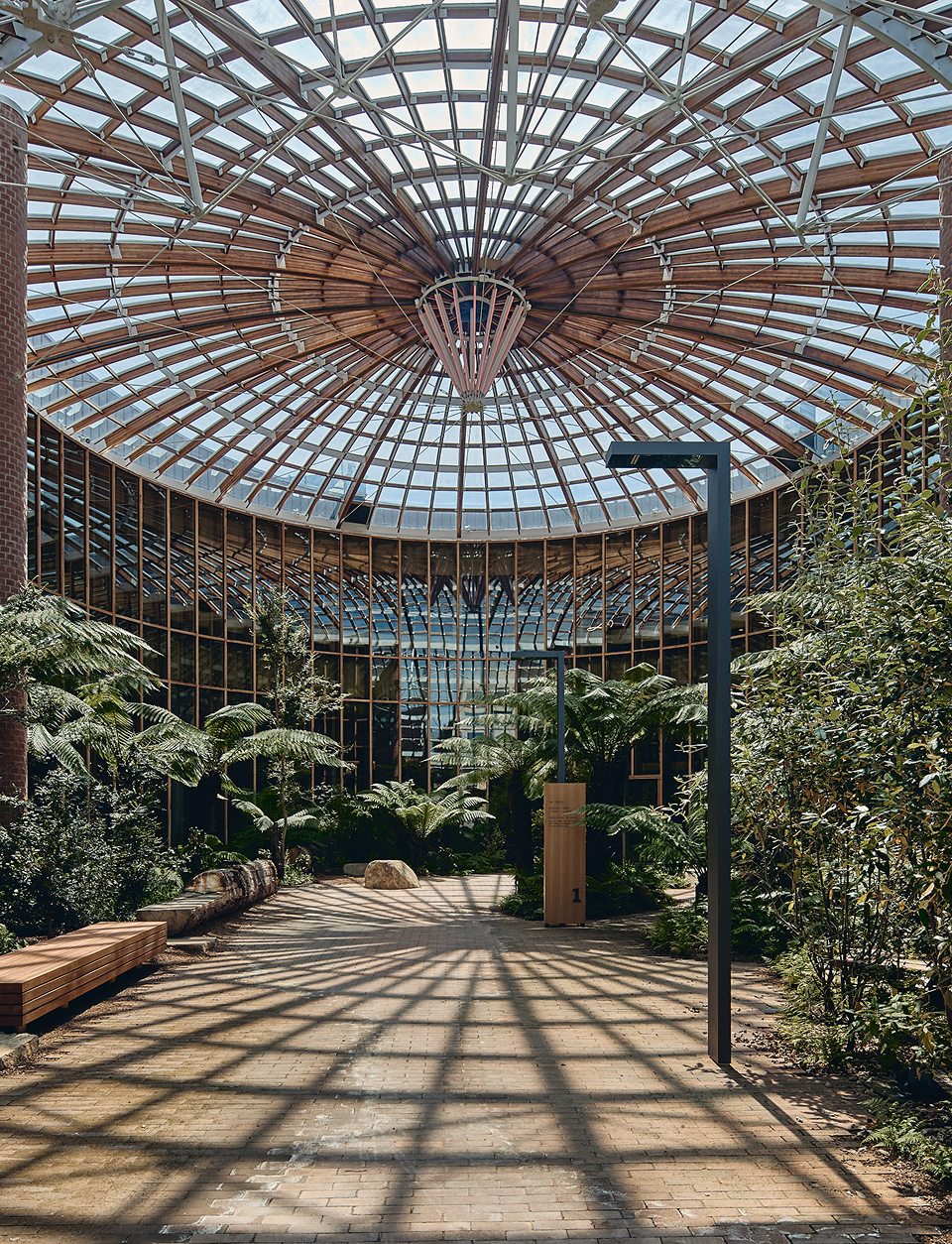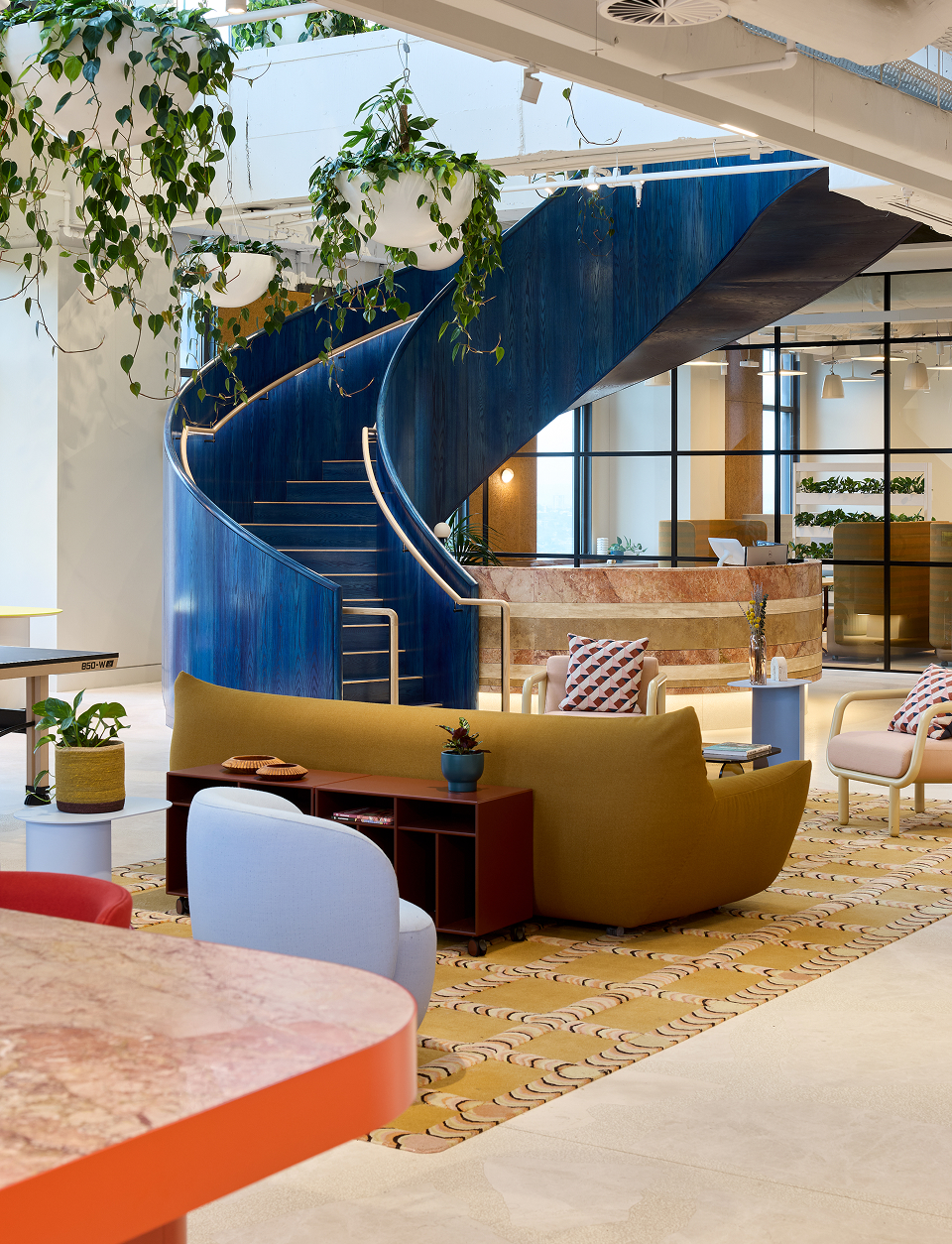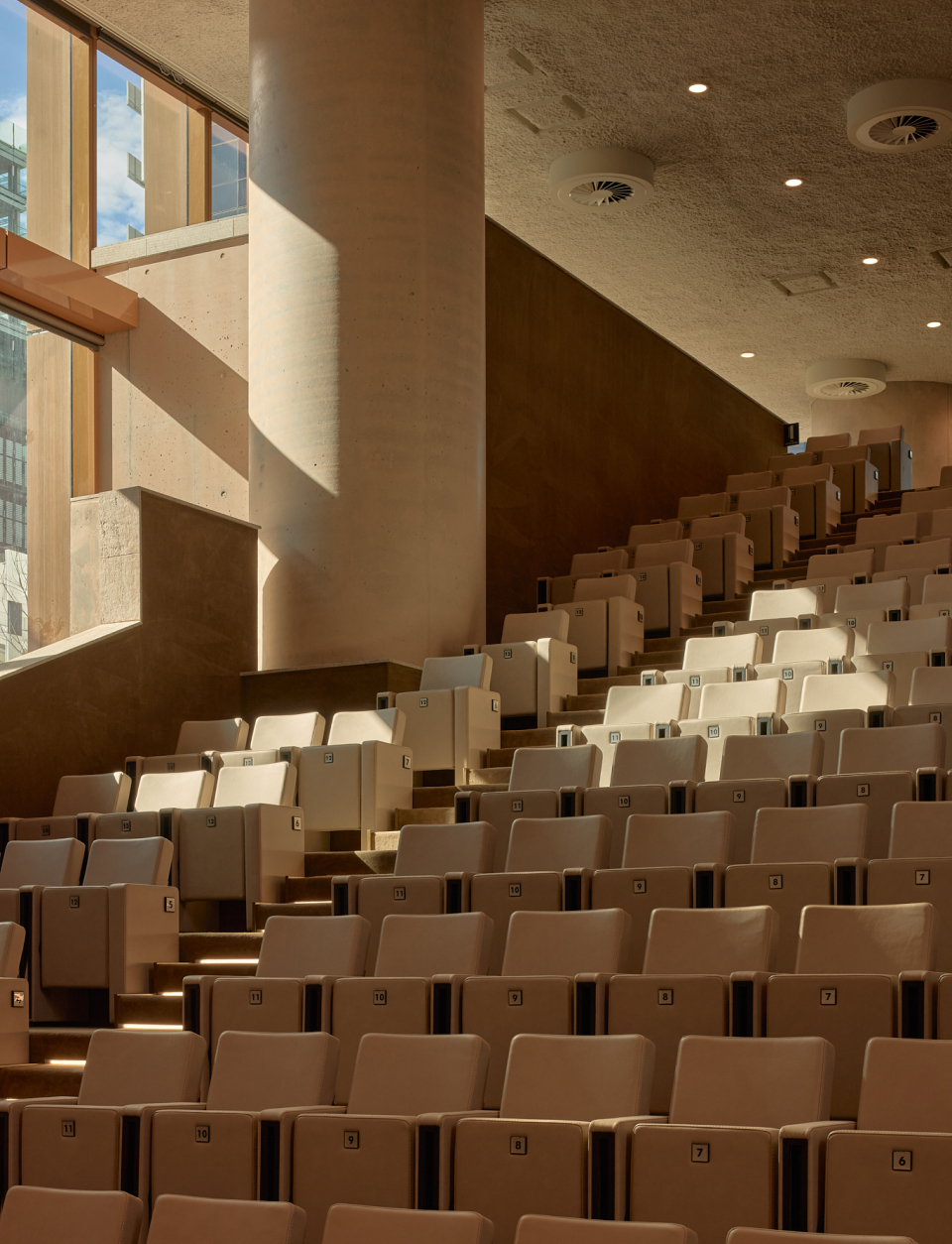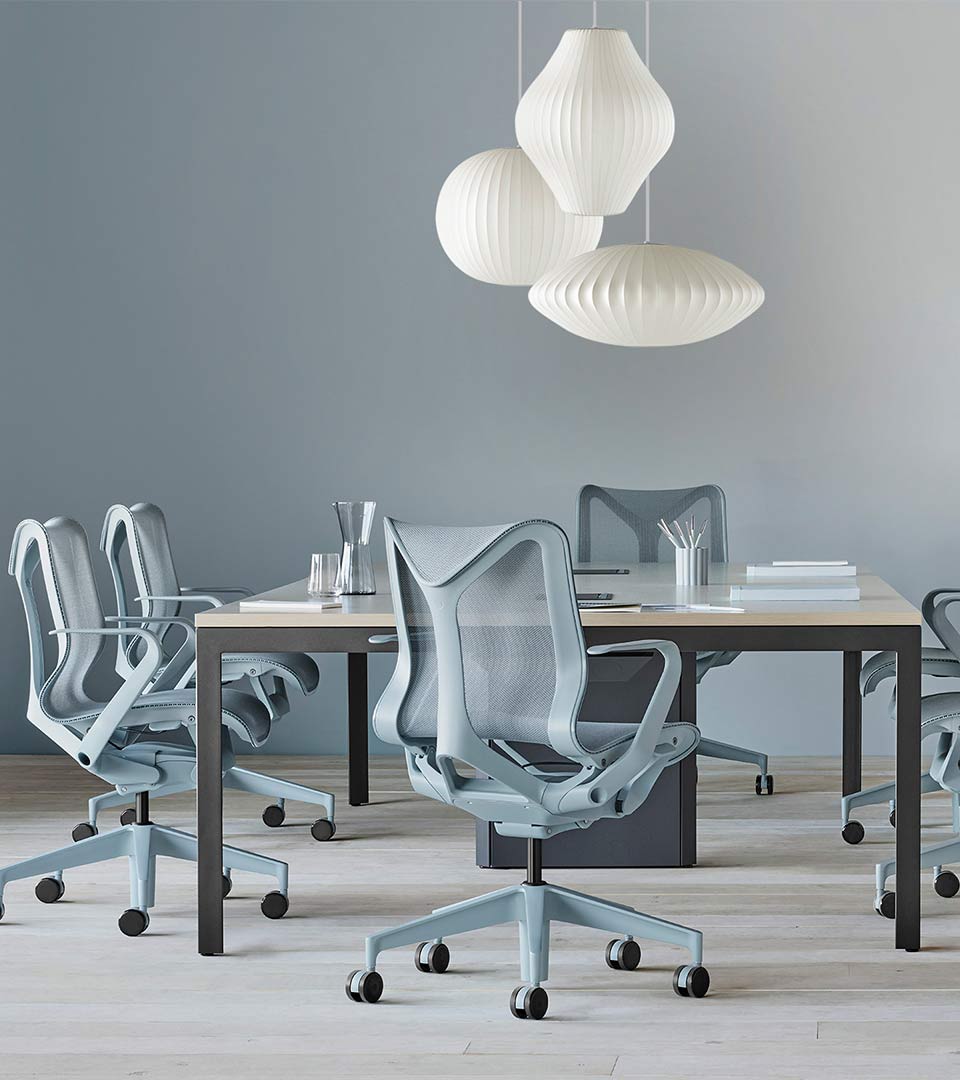



The transformation of a former food court into a future-focused workplace demonstrates how circular design and human wellbeing can co-exist at scale.
Located in the heart of Perth CBD, the commercial workspace was designed by PAPER Studio Perth to support strategic business needs, improve corporate real-estate efficiencies, and reflect the company’s identity and values. From the outset, a primary driver of the project was to bring people together. By consolidating six work floors into one expansive floorplate—the largest single commercial office in the Perth CBD— the project creates a highly connected environment that supports productivity, collaboration and purpose.
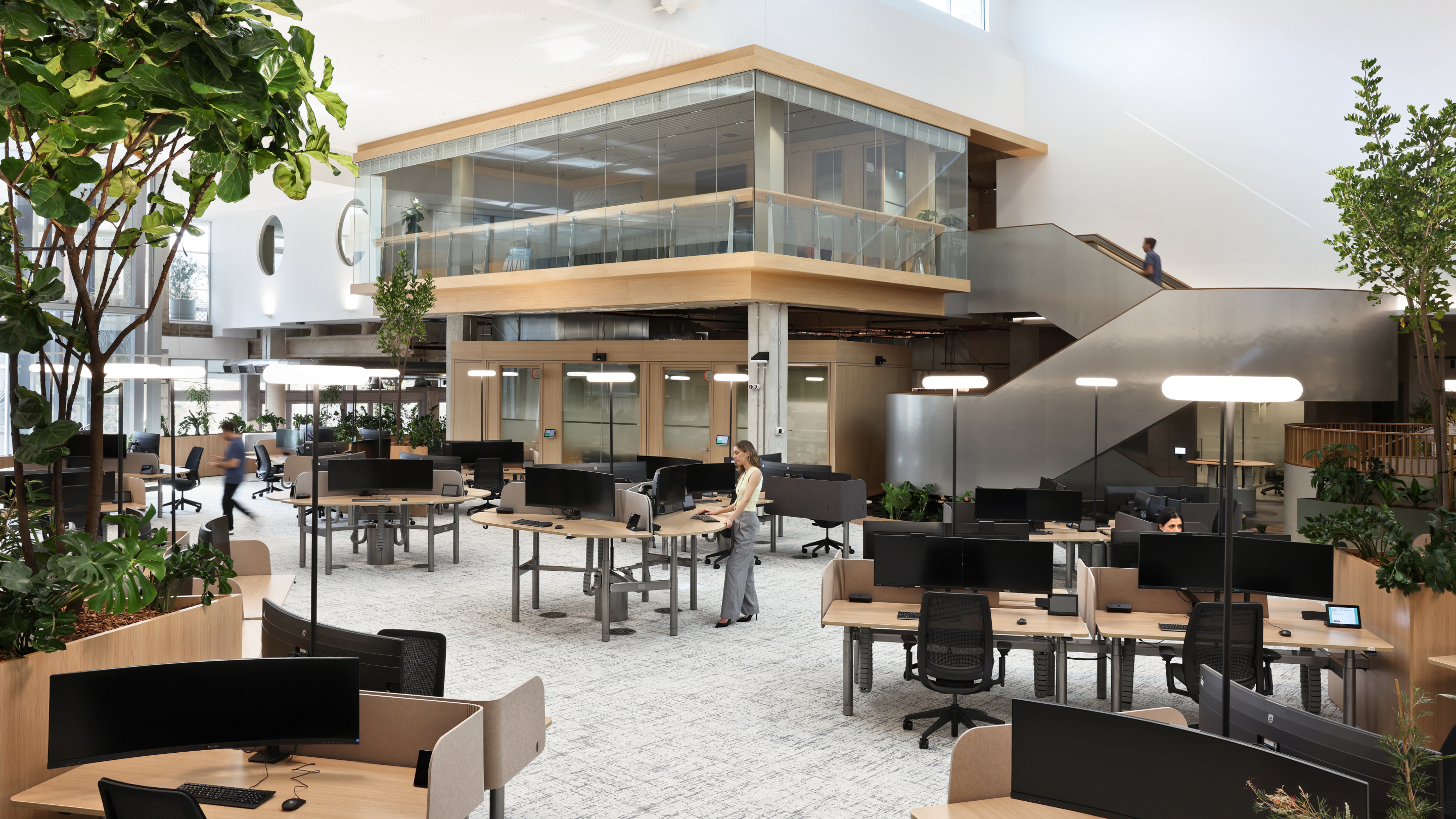
Recognising the significant time employees spend at work, the design prioritises natural light, air quality and ergonomic, adjustable furniture, resulting in a space that enhances wellbeing and offers a diverse mix of collaboration zones, focus areas and social breakout spaces.
Sustainability in Focus
A robust sustainability strategy underpinned the project, extending beyond standard certifications. Every product, supplier and process was assessed against strict ESG criteria, while a circular framework guided the reuse of existing furniture, materials and infrastructure. Design and procurement decisions emphasised longevity, modularity and resource recovery to minimise waste to landfill and preserve embodied value.
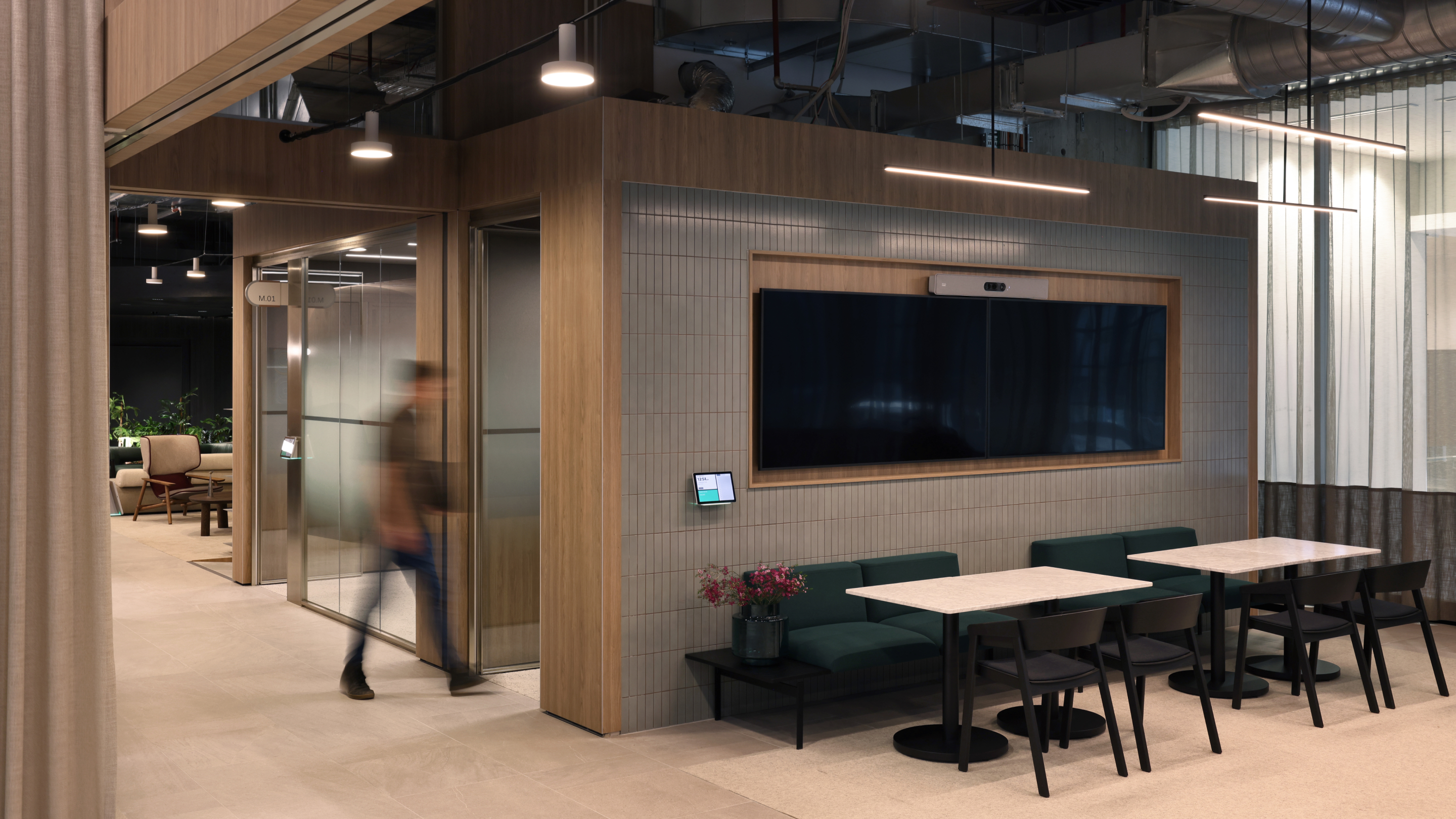
Muuto Cover Chairs offer a comfortable and contemporary armchair in wood. Designed by Thomas Bentzen for Danish brand Muuto, the chair achieves a reduced environmental impact throughout its lifecycle from raw material to disposal.
Project design manager, Stirling Fletcher (BEDROCKmg Workplace Synergy) recognised the importance of assembling a project team aligned with this commitment to sustainable leadership.
“One of the major issues with workplace construction is shifting the approach from interior design inputs to respect and consideration of inherited conditions and artefacts while creating commitment frameworks to ensure circularity is respected again in future circumstances.”
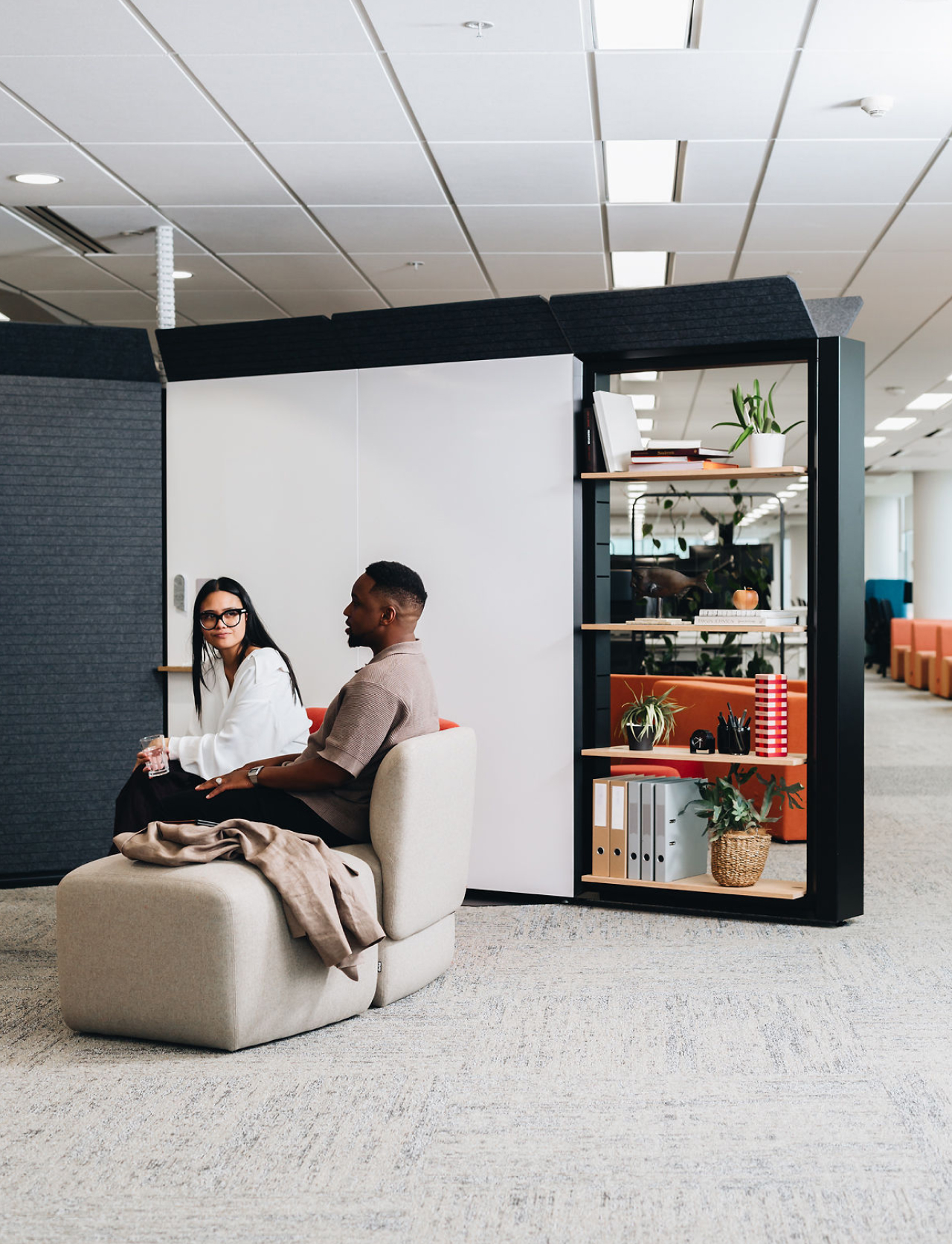
Herman Miller’s Atlas Office Landscape workstation system was selected for its sustainable design, ergonomic performance and simplified componentry, supporting disassembly and recyclability. The intuitive height-adjustable system allows users to move easily between sitting and standing via integrated touch controls. Designed to read as furniture rather than a conventional row of desks, Atlas provides a human-centred workstation solution for focused work.
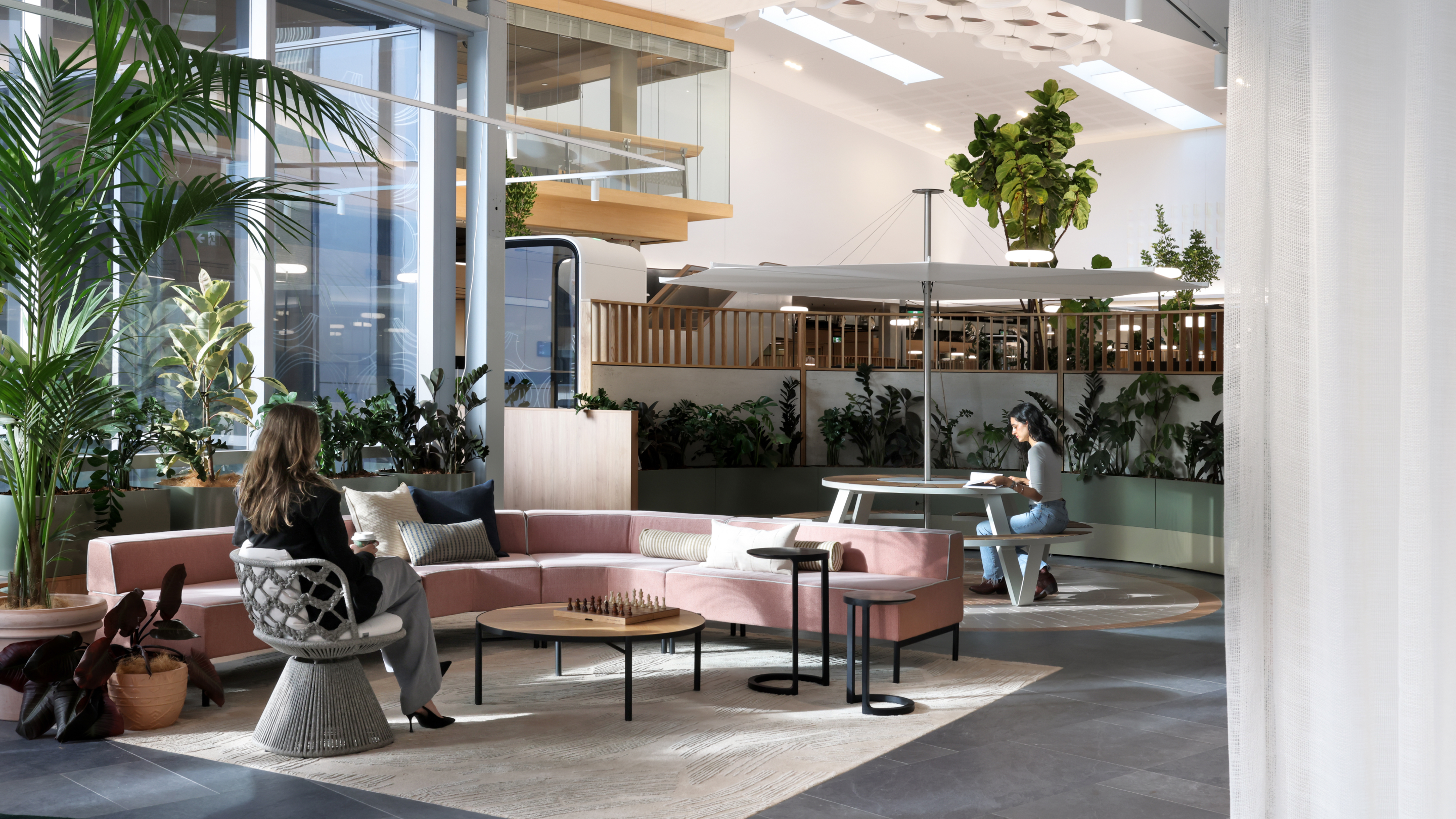
Designed by Dirk Wynants for Extremis, the Pantagruel Picnic Table and Inumbra Umbrella make an ideal setting for a shared lunch with its round, sturdy form seating eight people and encouraging conversation.
A reductive approach informed the workstation design, featuring an exposed steel frame, an end-of-life recyclable worksurface, and partition screens made from recycled PET. Mechanical fixings were used to support material separation at end of life. In collaboration with the client’s project team, Living Edge also developed a custom lighting and power management solution that minimised electrical components while maintaining straightforward IT access.
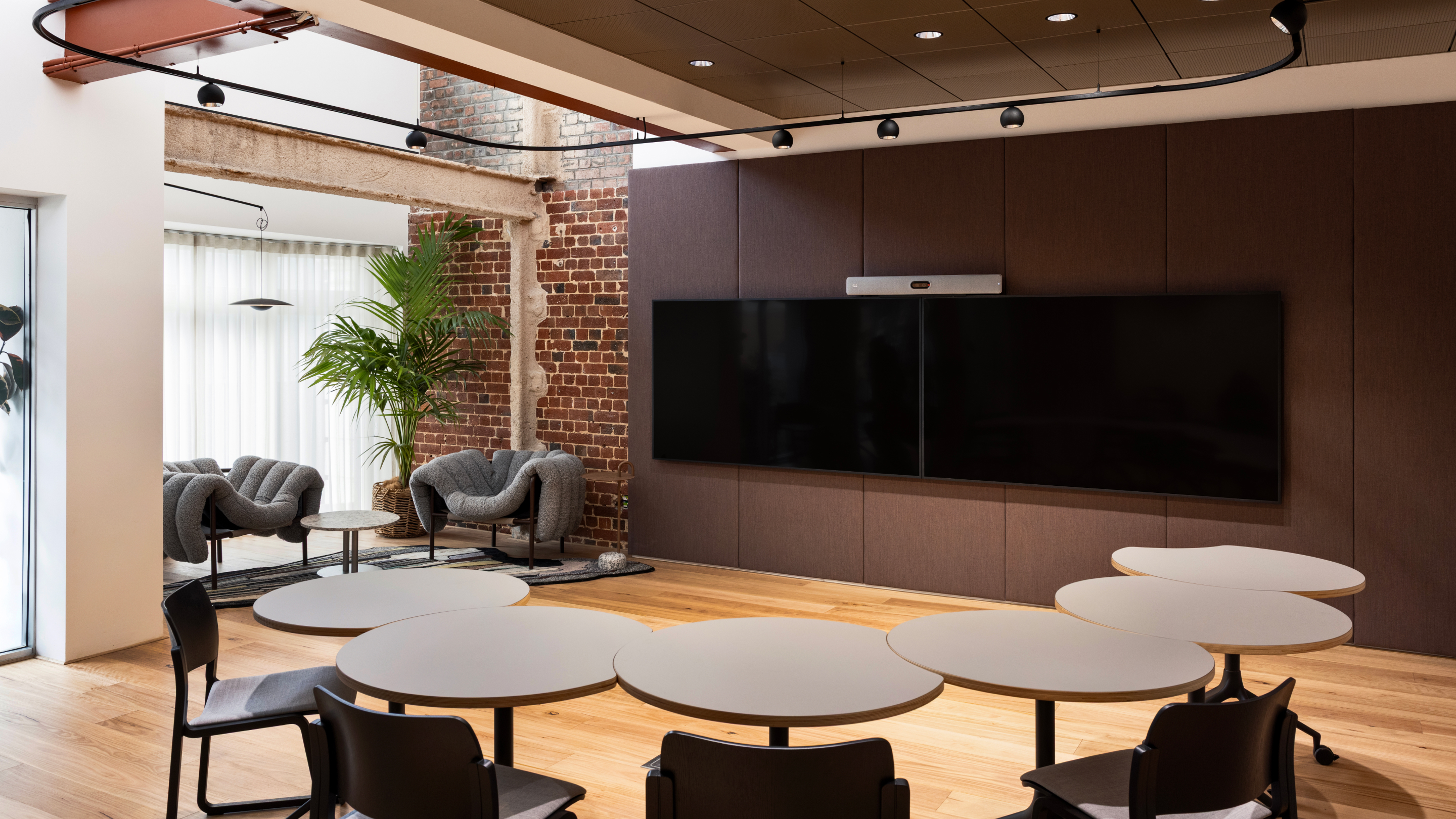
A series of Howe AS400 flip-top tables on castor bases bring mobility and flexibility to the meeting room, easily adapting for training and conferencing. Howe 40/4 chairs were selected for their ability to stack with ease.
Living Edge also supported the project team with detailed environmental product documentation, including lifecycle impact data and material transparency statements, ensuring product selection aligned with the project’s circularity and embodied impact objectives.
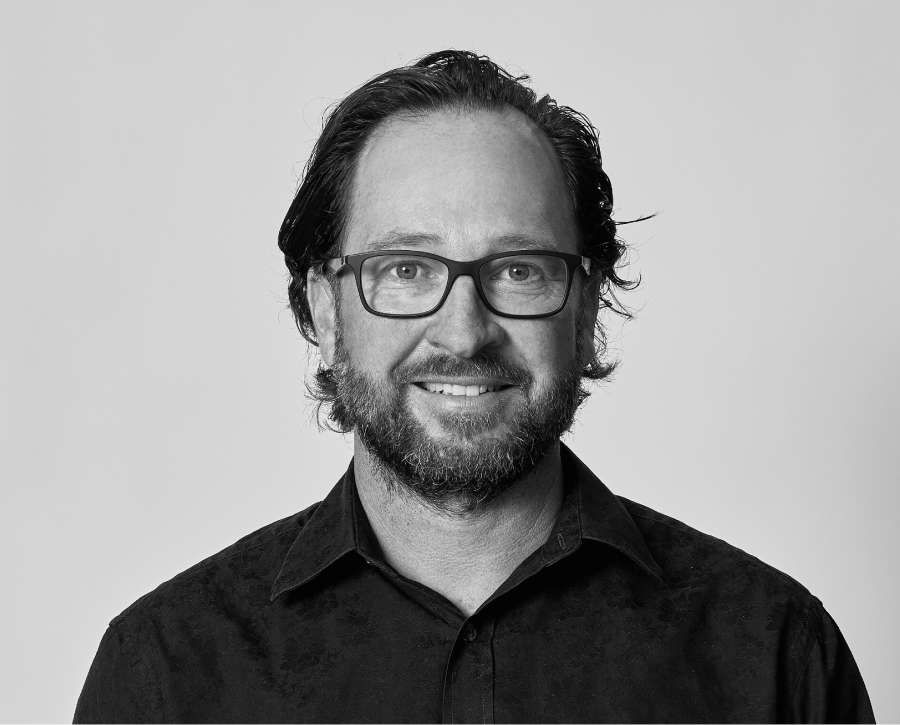
Living Edge Director Bryan Mahony said the project sets a new benchmark for sustainable design, delivering an innovative urban office landscape grounded in enduring principles of circularity.
“The design adopted a material minimisation approach, with careful consideration given to product longevity and end-of-life outcomes—values that are central to Living Edge’s commitment to sustainable design.”
In a considered application of circular design, prototype components developed during the design phase were incorporated into the final installation. This approach avoided unnecessary re-manufacture, reduced material waste, and demonstrated the system’s adaptability well before completion.
Circular Thinking
In line with the client’s rigorous sustainability standards, the project undertook an ambitious goal to reduce the impact of waste generated through product packaging from suppliers—an often-overlooked component of project delivery. By rethinking conventions, a global supplier overhauled its packaging systems to eliminate waste to landfill.
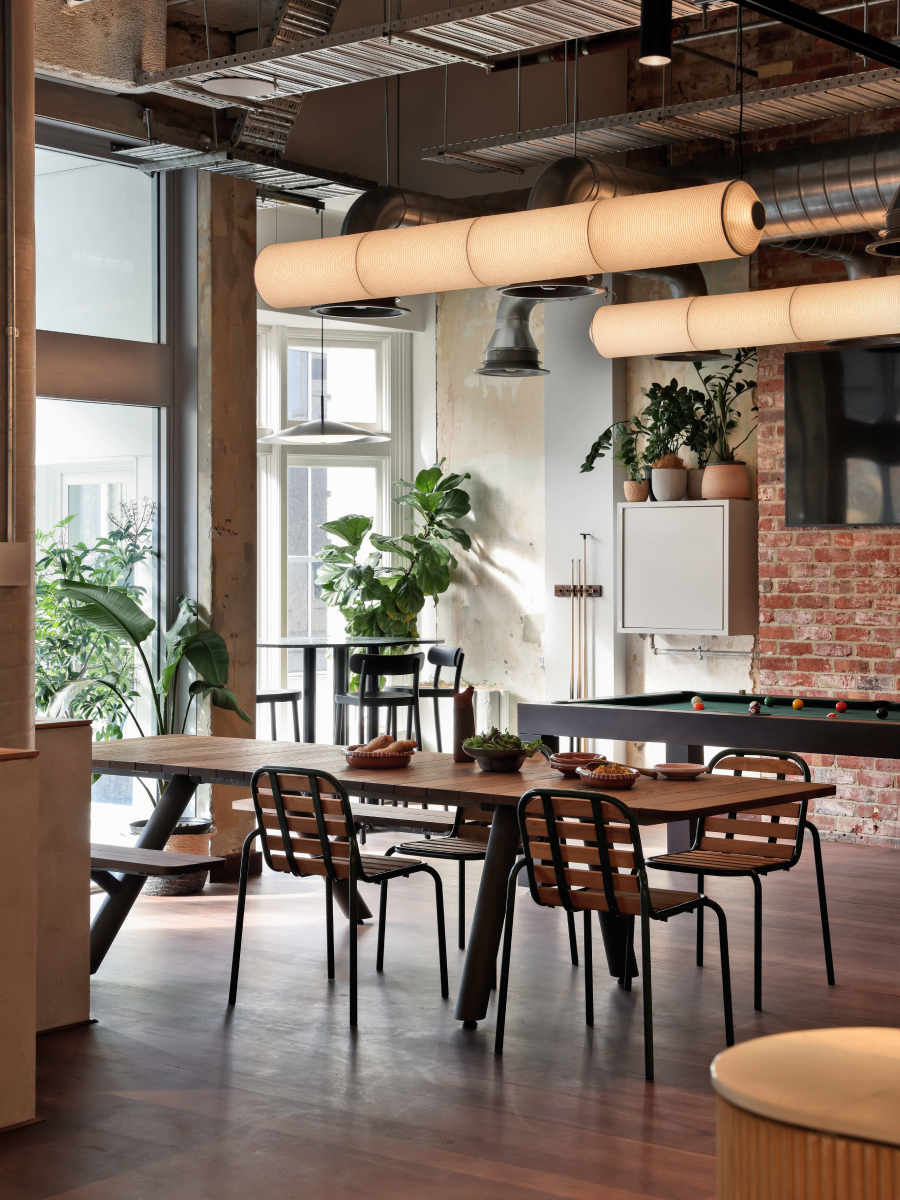
In a social breakout area, the Panigiri Outdoor Table by Extremis invites employees to gather, its form composed of a galvanised steel frame and thermic-treated Ash wood tabletop.
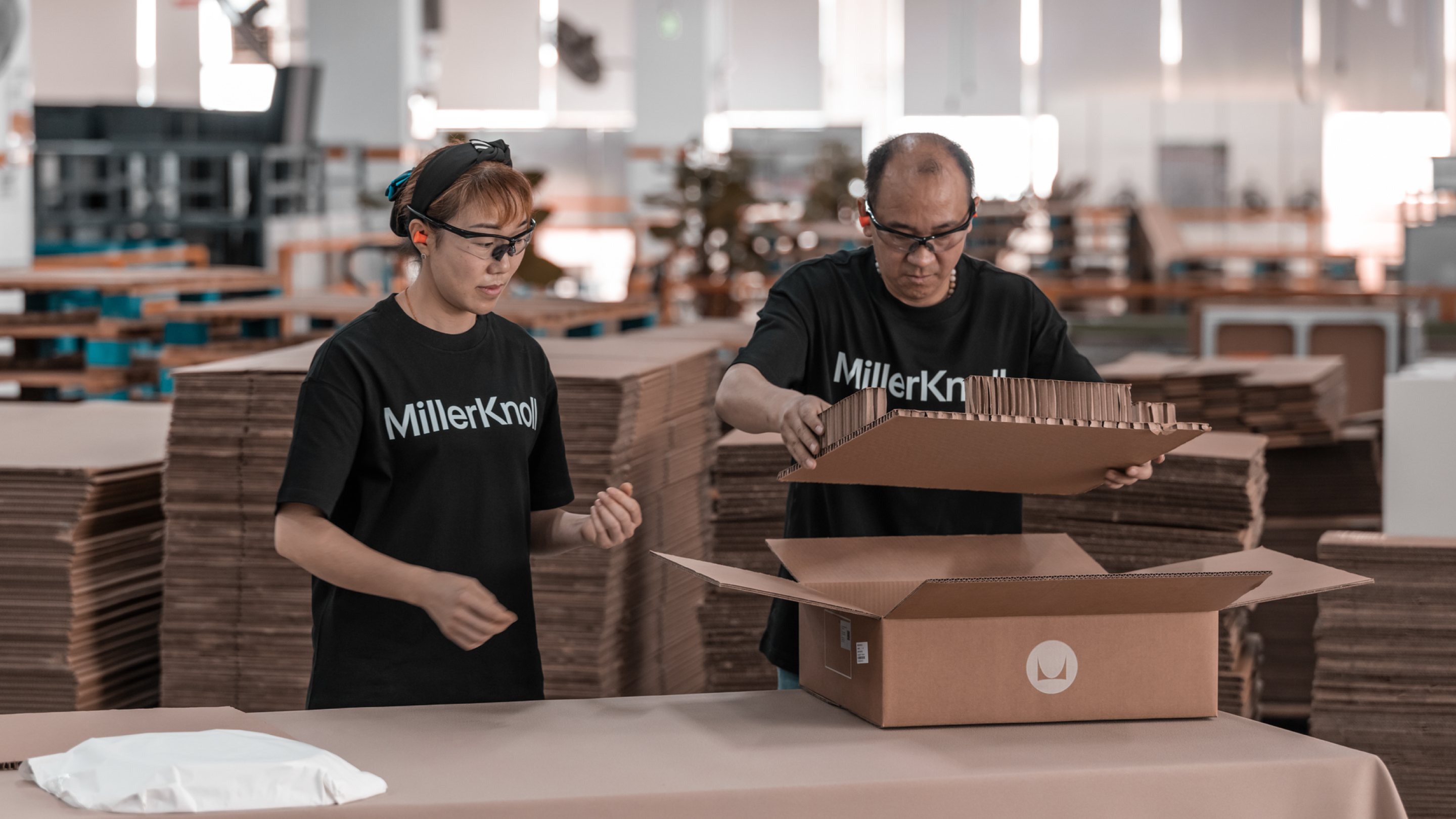
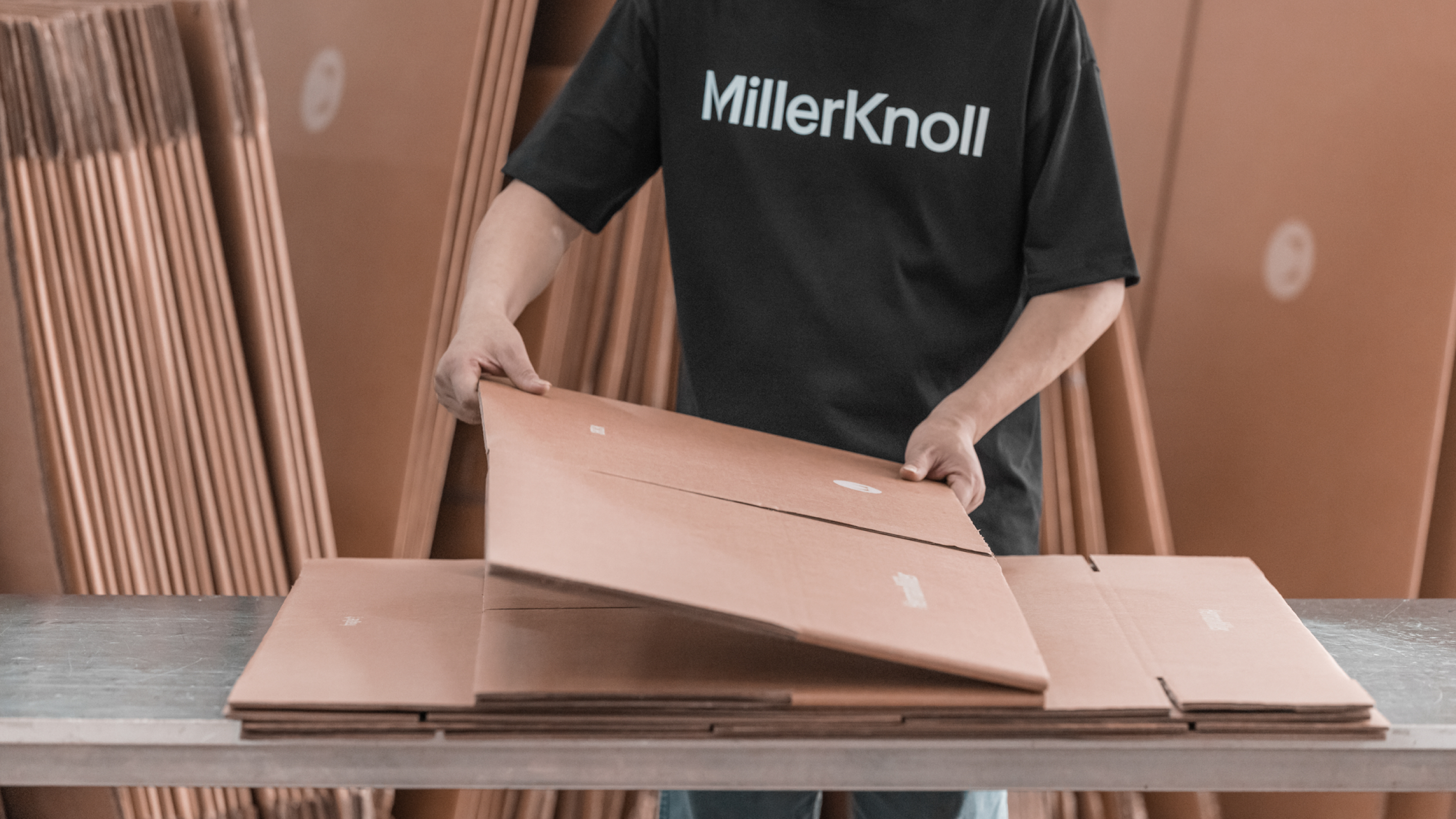
MillerKnoll, a global collective of brands, including Herman Miller, created an innovative, fully recyclable packaging solution for its specified product. Developed by MillerKnoll’s Manufacturing and Sustainability teams, the initiative was implemented through the Herman Miller production facility in China and delivered locally in partnership with Living Edge, ensuring a fully integrated, end-to-end approach.
As a result, single-use plastic was removed from Herman Miller’s Atlas workstation packaging, eliminating 542kgs of plastic waste to landfill.
“Through close collaboration with the local Herman Miller team and factory, we achieved a reduction of more than half a tonne of plastic by transitioning to recyclable cardboard and paper packaging, all of which was collected and recycled from site.”
- Bryan Mahony
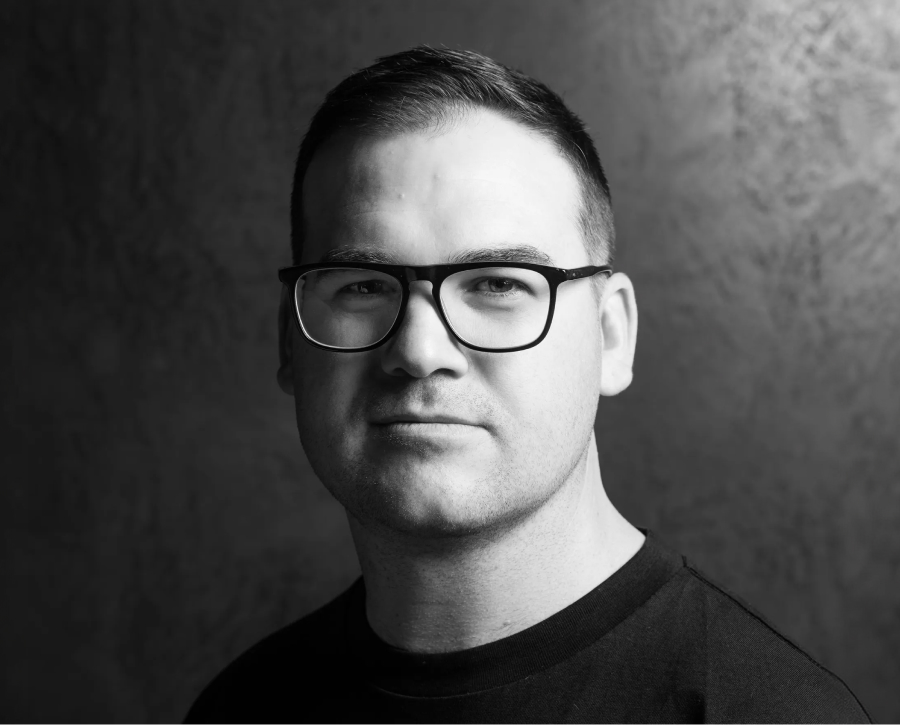
The project’s ESD consultant, Eugene Hooks, said MillerKnoll's innovative packaging solution aligned with a desire to challenge the status quo.
“Packaging is a major contributor to landfill in Australia and is one of the most visible forms of project waste. Our goal was to eliminate packaging with poor end-of-life outcomes. MillerKnoll's cardboard and paper-based solution met this need, offering a fully recyclable alternative that aligned with the project’s sustainability ambitions.”
An Innovative Solution
Living Edge worked closely with the project’s designers, ESD team and IT specialists through a consultative, collaborative approach, adapting as project requirements evolved. This responsiveness supported timely decision-making, technical alignment and the integration of innovative solutions.
MillerKnoll prototyped a custom cardboard packaging solution to satisfy the client brief. With an objective to control the outcomes and reduce waste, the team developed a prototype where the packaging design was tested for durability, fit, and protection during transport.
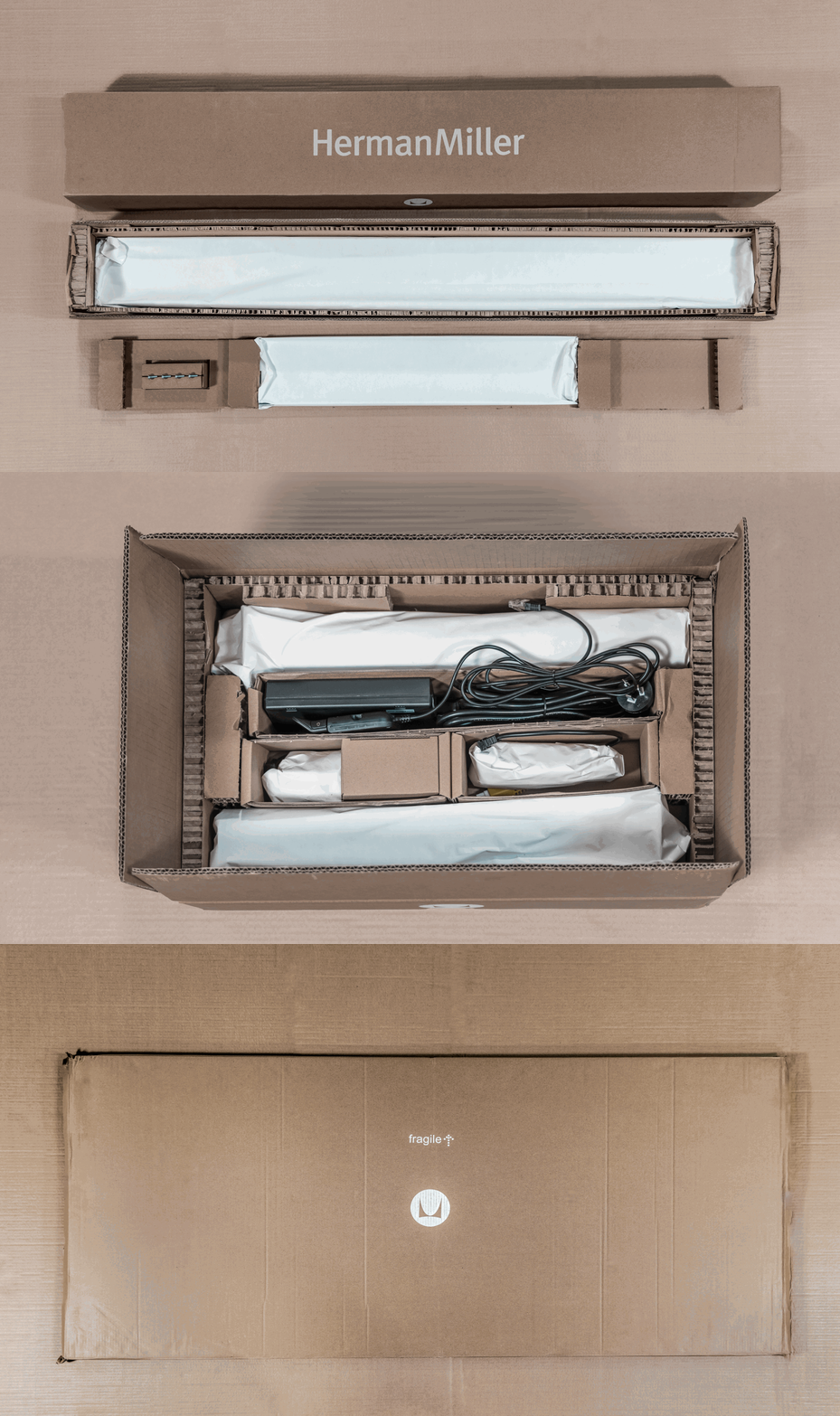
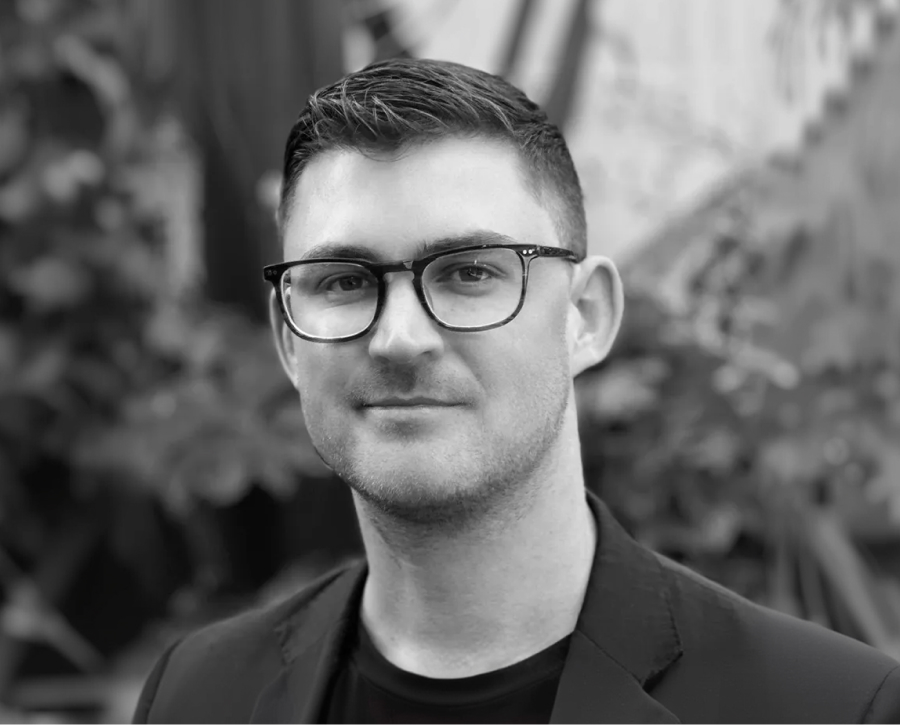
Josh Coughlan, Senior Regional Sales Manager for Australia & New Zealand at MillerKnoll said the goal was to design a solution that eliminated single-use plastics while maintaining the protection standards of the organisation’s traditional packaging.
“Each component was engineered to protect key structural parts while minimising excess material.”
The packaging was designed and manufactured at Herman Miller’s manufacturing facility in Dongguan, China, which serves the Asia Pacific region. This localised production reduced transportation emissions and allowed for tighter quality control. The process took several months from initial concept to implementation, including testing and approval.
"Industry-shaping impacts are never easy to achieve, but partners like MillerKnoll and Living Edge have made it possible to challenge the status quo. Their commitment helped us achieve our goals and create outcomes that we hope will inspire others to make meaningful change."
- Eugene Hooks
Beyond delivery, Living Edge has committed to an ongoing maintenance and end-of-life stewardship pathway for the installed products. This ensures components can be repaired, refurbished or responsibly recovered over time. By extending responsibility well beyond the point of sale, Living Edge is positioned to support long-term circular outcomes within the workplace.
Transforming a food court into a workplace of purpose, the project exemplifies how adaptive reuse and a shared commitment to circular design can create spaces that are both human-centred and environmentally responsible.
Design by:
PAPER Studio
Photography by:
Matt Biocich