
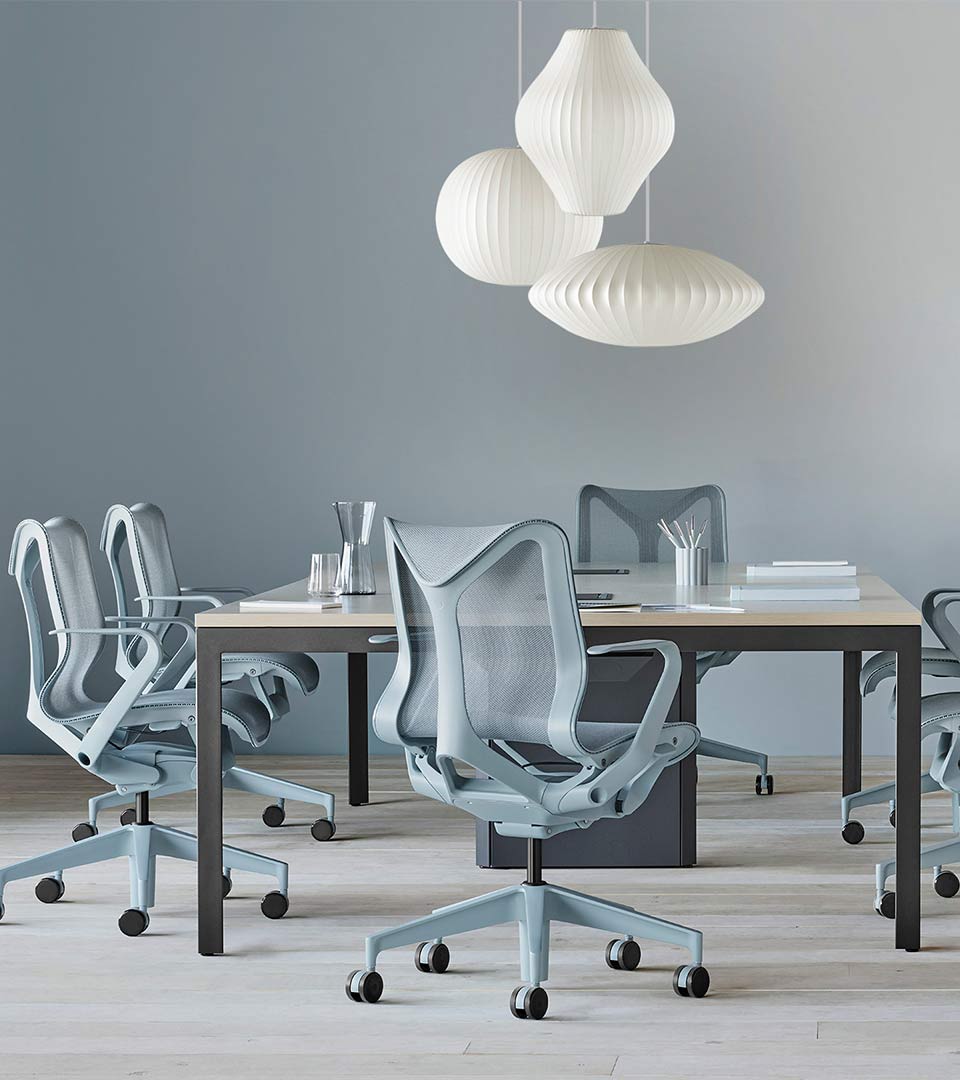



When it comes to naming dining chairs, Knoll’s system highlights the visionary designer who created them. This approach celebrates authorship, craftsmanship, and design heritage, reinforcing Knoll’s deep connection to modernist history. With Knoll, you read the chair like a signature.
Knoll has always celebrated the designer behind the chair, honouring its creator and their vision. Each name not only acknowledges the designer’s legacy but also communicates the design lineage and philosophy behind the chair, making the story as important as the product itself. This approach highlights the story behind every piece, reinforcing Knoll’s commitment to design history and craftsmanship. By foregrounding the designer rather than a code, Knoll chairs carry both legacy and personality, making each chair a recognisable icon in modern interiors.
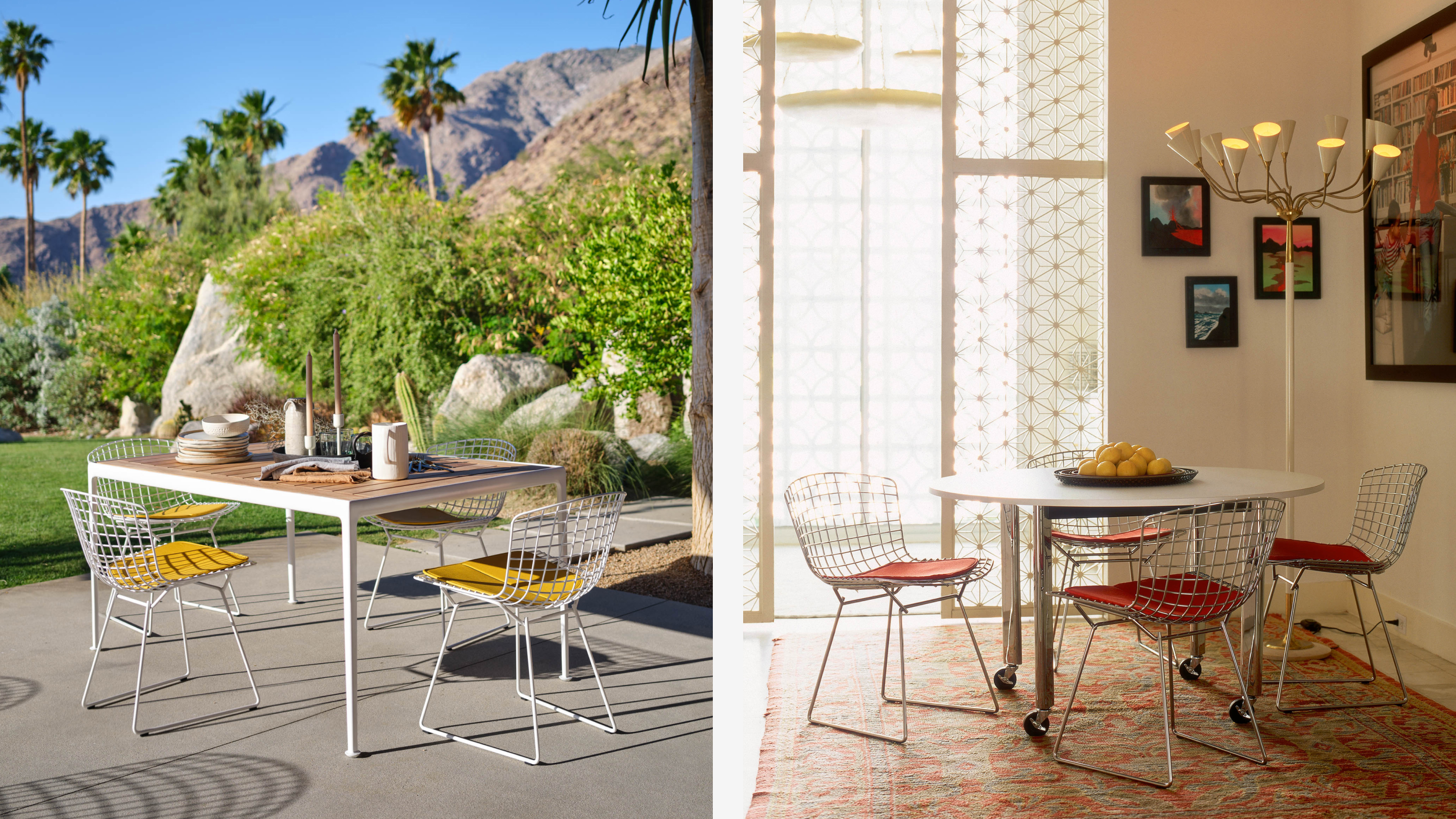
Bertoia found sublime grace in an industrial material, creating a design that works with every decor, in every room. The Bertoia wire side chairs, bar and counter stools in are all individually hand welded ensuring durability and quality. Their linear composition creates both a visually light object with a graphically bold presence.

Harry Bertoia
1915–1978
An Italian-born American artist best known for his sculptures, jewellery, and furniture design. After studying at the Detroit Technical High School and the Detroit School of Arts and Crafts, Harry Bertoia opened his own metal workshop at Cranbrook where he taught jewellery design and metal work. In 1946 he moved to California to help fellow Cranbrook alumnus Charles Eames develop methods of laminating and bending plywood.
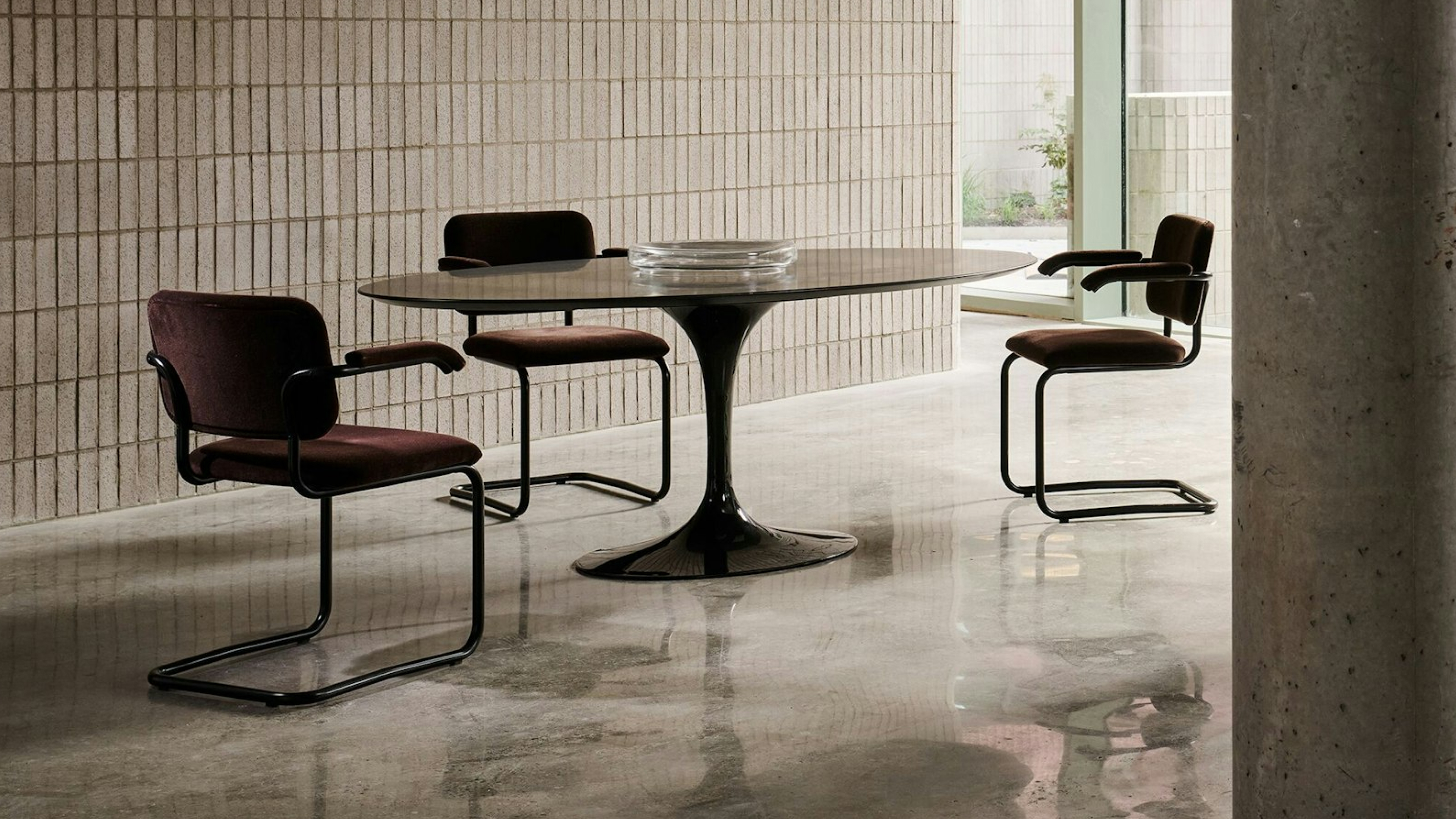
Informed by the rationalist ideals of the Bauhaus, Marcel Breuer’s innovative use of material and simple cantilever design resulted in one of the world’s most iconic chairs. The Cesca balances traditional craftmanship to make the seats and backs, with industrial methods required for the cantilevered frame
Designed in 1928, his pioneering use of tubular steel revolutionised furniture construction. The Cesca chair was named after Marcel Breuer’s adopted daughter, Francesca Breuer, as a direct derivative of her nickname, “Cesca.”
Marcel Breuer
1902-1981
A champion of the modern movement and protégé of Bauhaus founder Walter Gropius, Marcel Breuer is equally celebrated for his achievements in architecture and furniture. Breuer was a student and subsequently a master carpenter at the Bauhaus in the early 1920s. His entire body of work, both architecture and furniture, embodies the driving Bauhaus objective to reconcile art and industry.
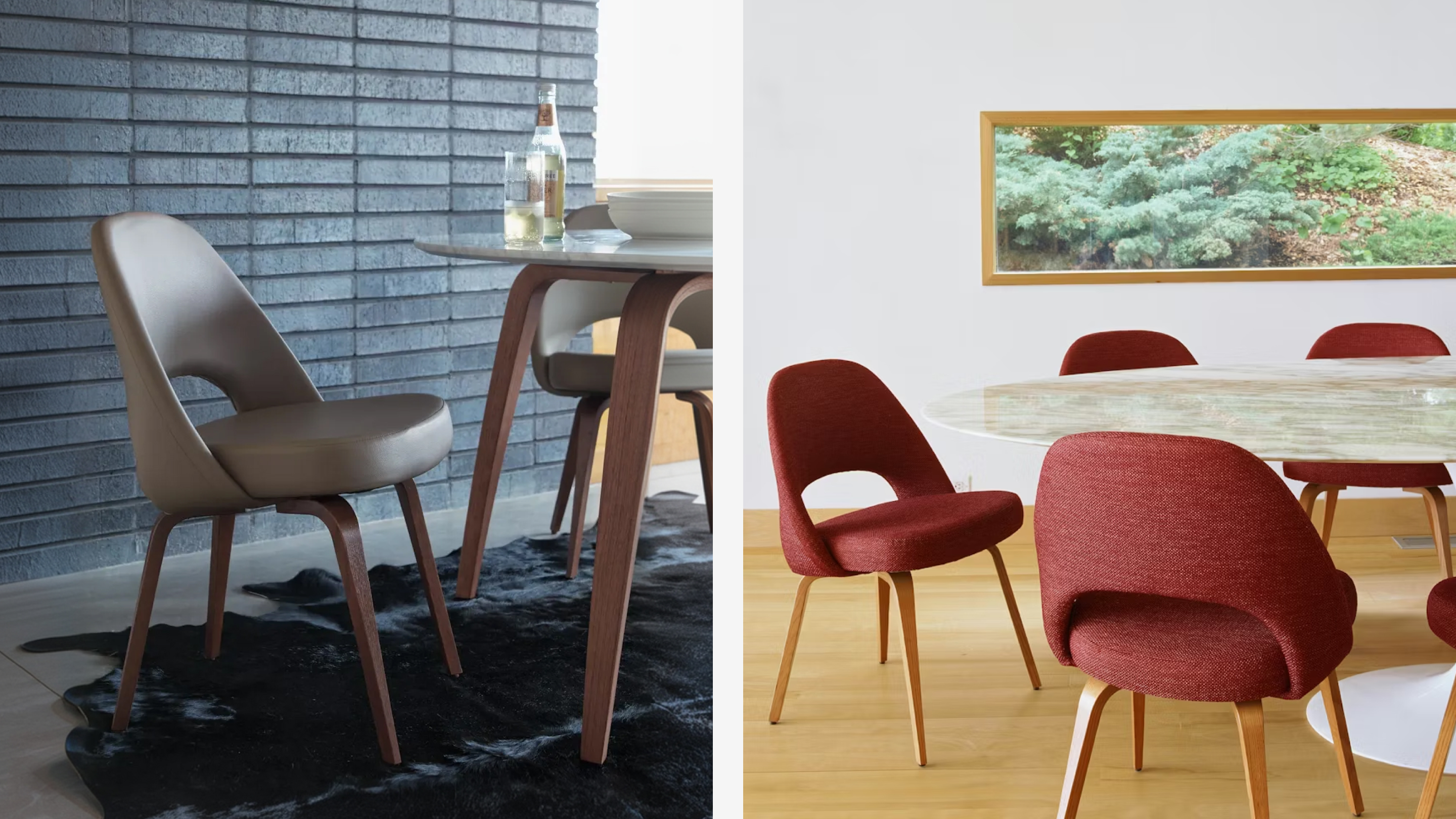
Introduced in 1950 and featured in many Florence Knoll–designed interiors, the Saarinen Executive Chair redefined executive seating with its sculptural form, graceful curves, and exceptional comfort. Originally designed for offices, its timeless proportions and refined finish have since seen it embraced just as readily in dining rooms, cementing its place as one of Knoll’s most enduring designs.
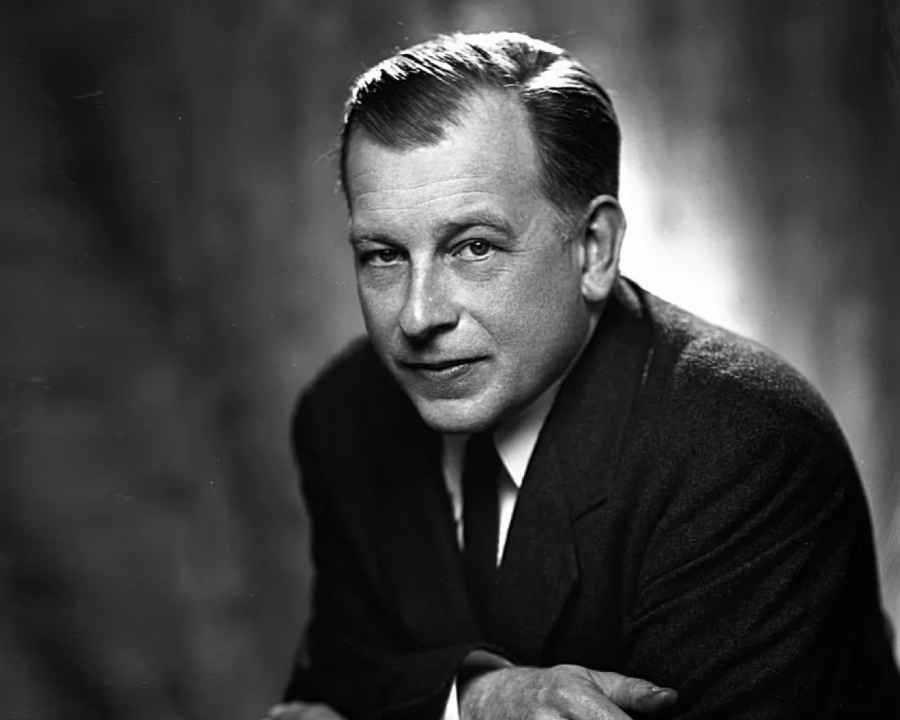
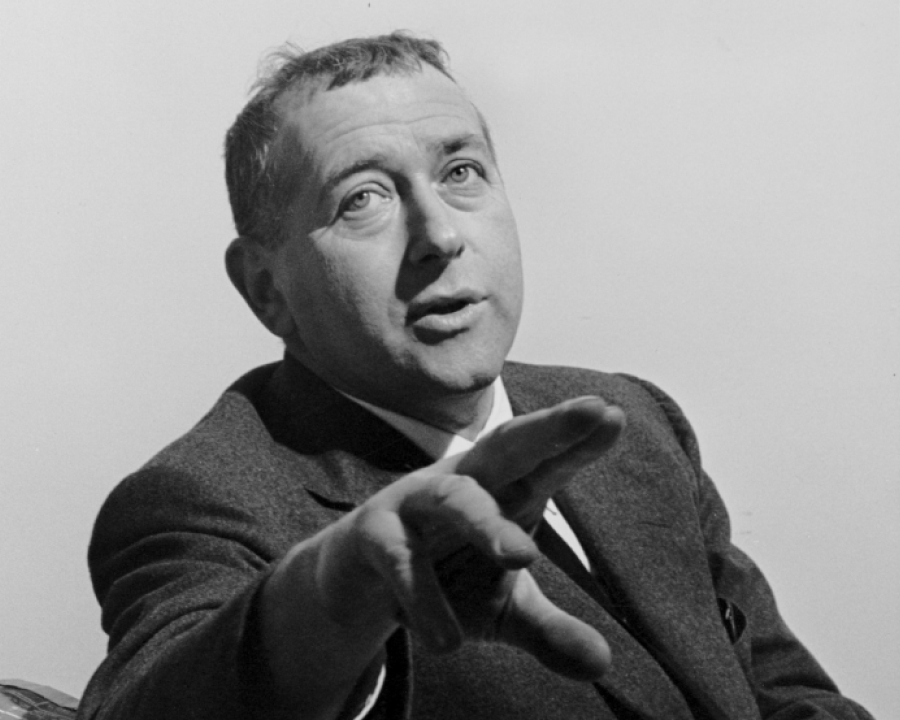
Eero Saarinen
1910-1961
Born to world famous parents, architect and Cranbrook Academy of Art director Eliel Saarinen and textile artist Loja Saarinen, Eero Saarinen was surrounded by design his whole life. By the time he was in his teens, Eero was helping his father design furniture and fixtures for the Cranbrook campus. After studying sculpture in Paris and architecture at Yale, Saarinen returned to Cranbrook in 1934.
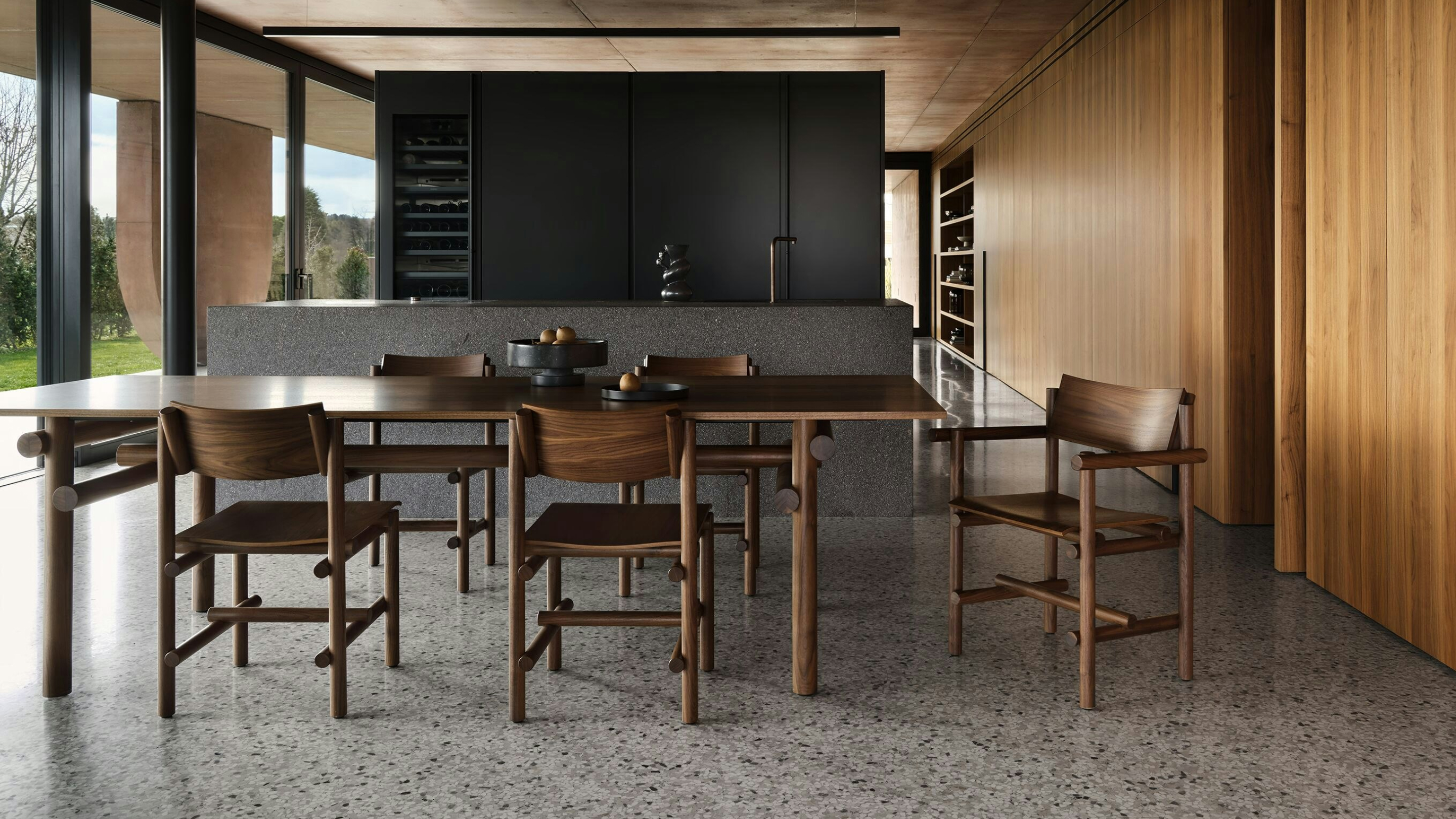
In his first collaboration with Knoll, Muecke applies the principles of his art practice to create an all-wood dining collection with the familiarity of a kitchen table and chairs. Fascinated with materiality, the frame is made of solid wood. The seat and backrest consist of a curved plywood panel, topped with sliced veneer in a wood finish matching the frame.
Jonathan Muecke
b. 1983
As an architect and sculptor, the objects Jonathan Muecke makes have an internal logic informed by their materiality, their interplay with light, the spaces they’re in, and the people who use them. Mostly, Muecke uses just one material. Whether working with wood, aluminium or carbon fibre, the varying scales and proportions Muecke employs test the limits of an object’s legibility and actualise its relationship to the body in space.

“I like to take things for what they are and not try to imagine what someone intended them to be. Ultimately these are generous objects.”
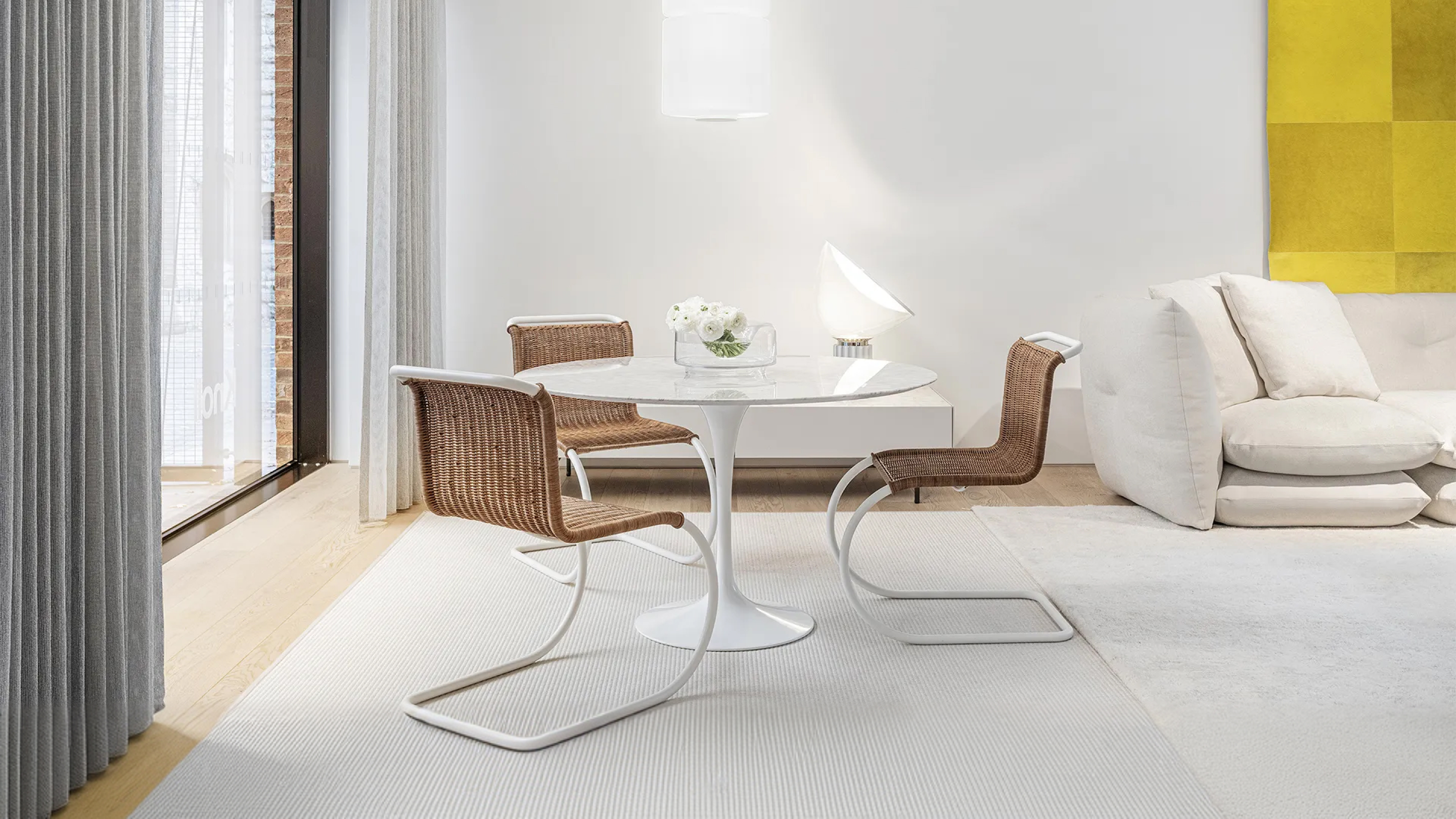
Designed in 1927, Mies van der Rohe’s MR Chair pairs modern tubular steel with a form inspired by nineteenth-century iron rocking chairs. Influenced by fellow Bauhaus master Marcel Breuer’s pioneering use of steel, Mies developed a series of elegant, cantilevered designs—including side chairs, armchairs, and chaise lounges—that redefined seating through clarity of form, material innovation, and structural expression.
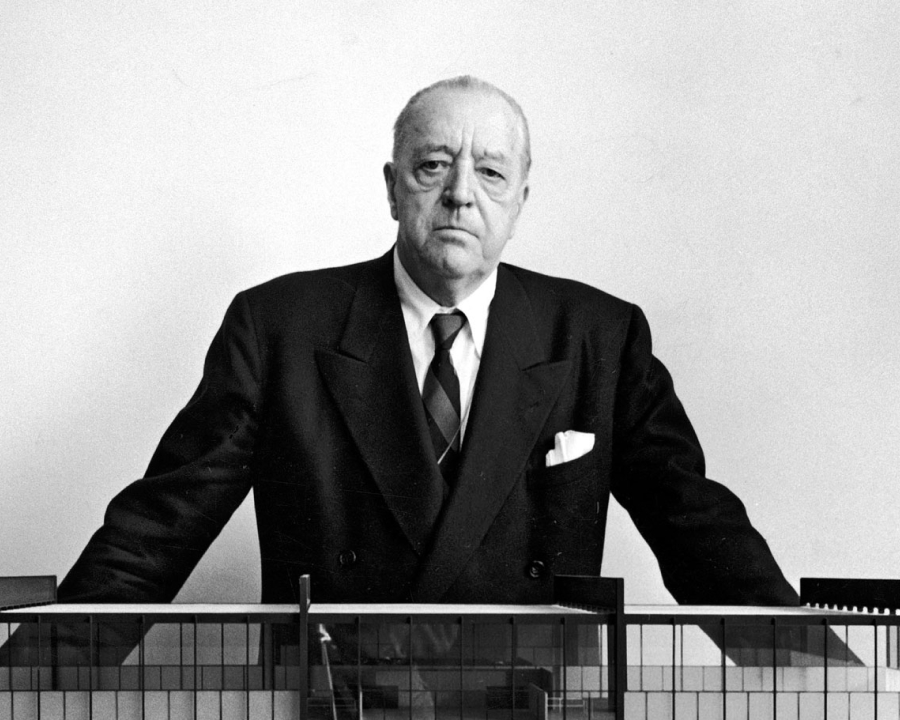
Ludwig Mies van der Rohe
1886-1969
A German and American architect, academic, and interior designer, Mies van der Rohe is regarded as one of the most important figures in the history of architecture. One of the leading lights of modernist architecture, he created a body of work—ranging from tubular steel furniture to iconic office buildings—that influenced generations of architects worldwide.
"Architecture is a language; when you are very good you can be a poet."
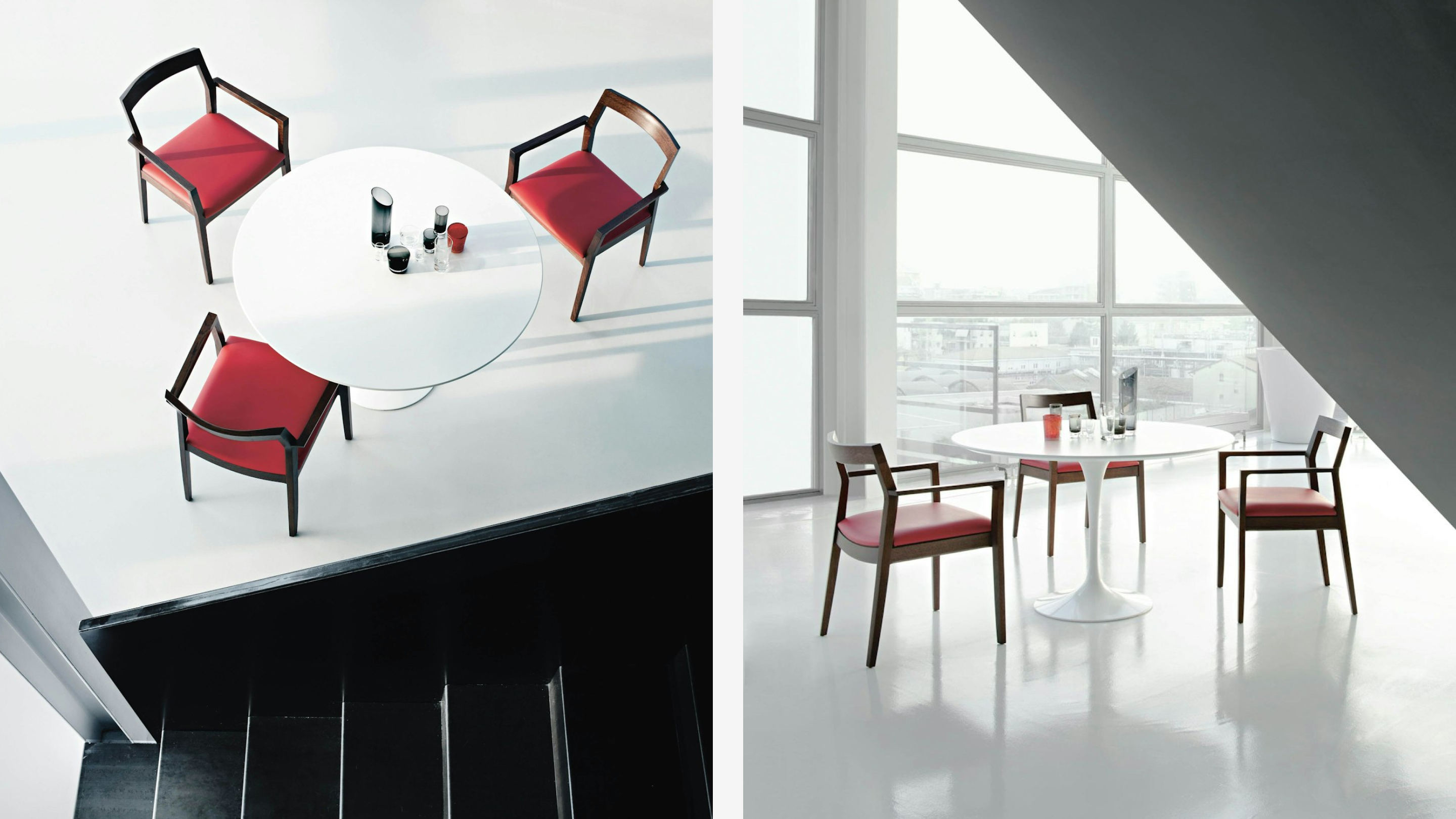
Designed by Marc Krusin in 2011, the collection reinterprets traditional chair forms through a contemporary, industrially crafted lens. Defined by precise joinery and balanced proportions, the chair is available in natural timbers with low-sheen or high-polish finishes and can be specified with either an upholstered or woven paper rush seat.
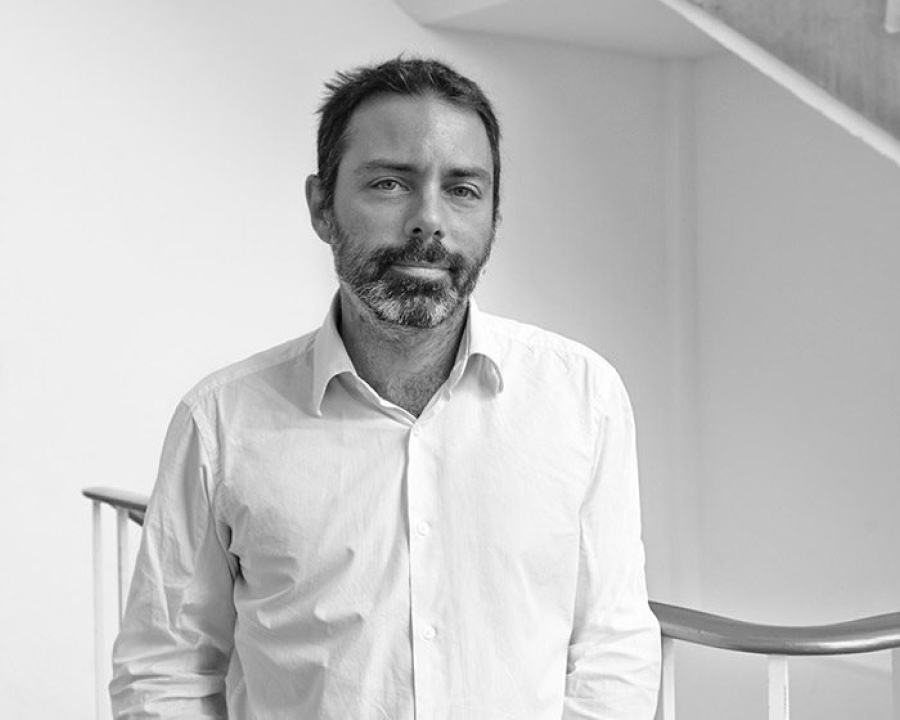
Marc Krusin
b. 1973
Industrial designer Marc Krusin designs spaces and products for clients around the world from his London studio. For Knoll, Krusin has designed the Krusin Chair and Table collection, the Anchor storage system, and Pixel™, a portfolio of performance tables for the entire office with a focus on training and classroom spaces.
Interested to learn more? Find out about Herman Miller’s practical and functional naming system here.