

Known for capturing the soul of architectural spaces, Nicole England moves beyond structure and form to explore the personal collections that bring interiors to life.
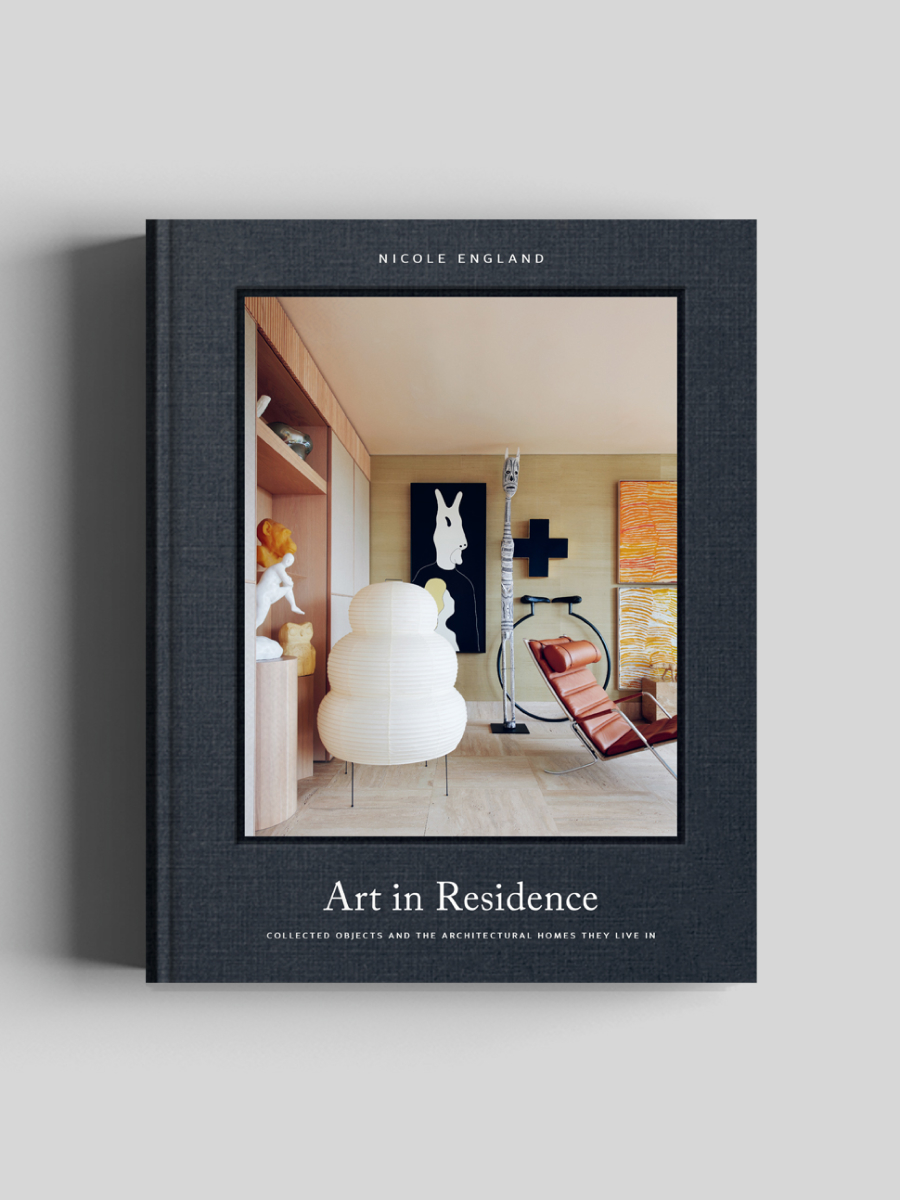
Art in Residence is an exploration of how life and soul is brought into beautifully designed spaces through the cherished objects, sculptures and seminal artworks of their owners. From a New York City loft and a Californian hideaway to an historic central London home and a beach house in Sydney, photographer Nicole England has documented the incredible art collections that make a truly evocative home.
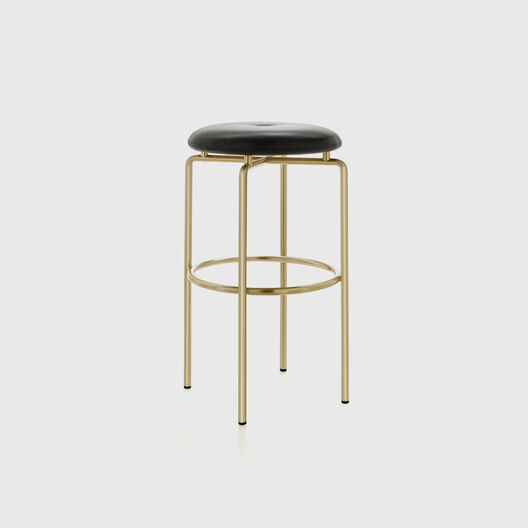
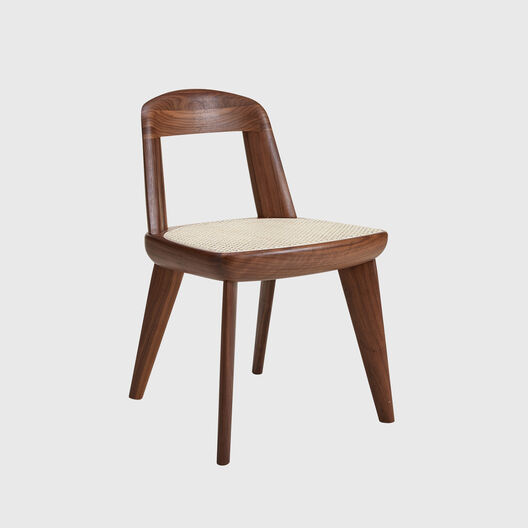
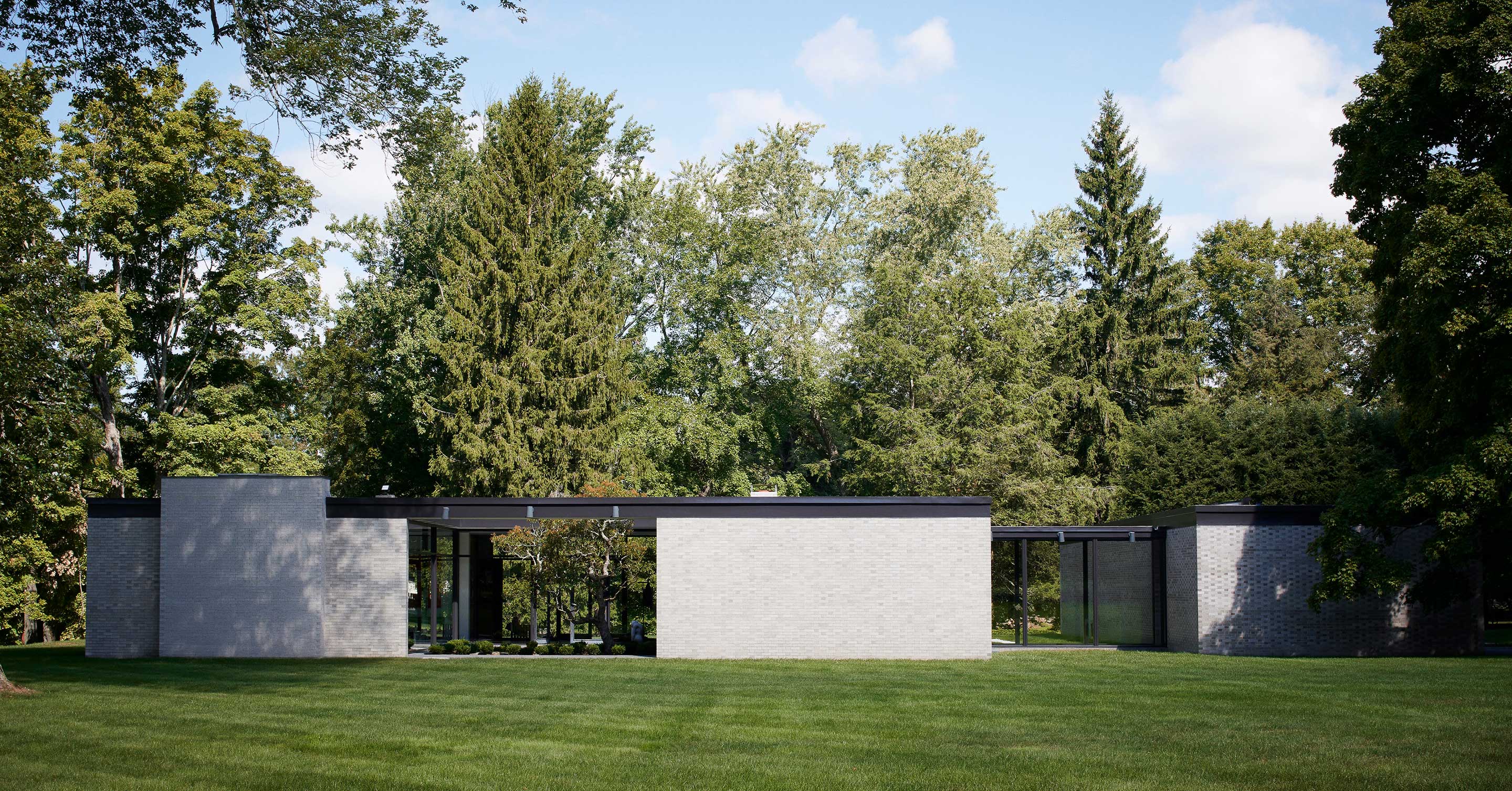
From world-renowned artworks to cherished keepsakes, the book is a visual meditation on the stories we surround ourselves with and the meaning they hold. In this Q&A, Nicole shares insights into the making of Art in Residence, from selecting the homes featured to uncovering the histories behind the collections they contain. Among the many highlights is Hodgson House the restored Philip Johnson masterpiece that now serves as the home of Craig Bassam and Scott Fellows. Photographed by Nicole for the book, the project reflects a rare synergy between art, architecture, and design. As the exclusive Australian supplier of BassamFellows furniture, Living Edge is proud to represent a brand whose philosophy so seamlessly aligns with the values celebrated in Art in Residence. The result is a conversation as thoughtful and revealing as the homes she documents.
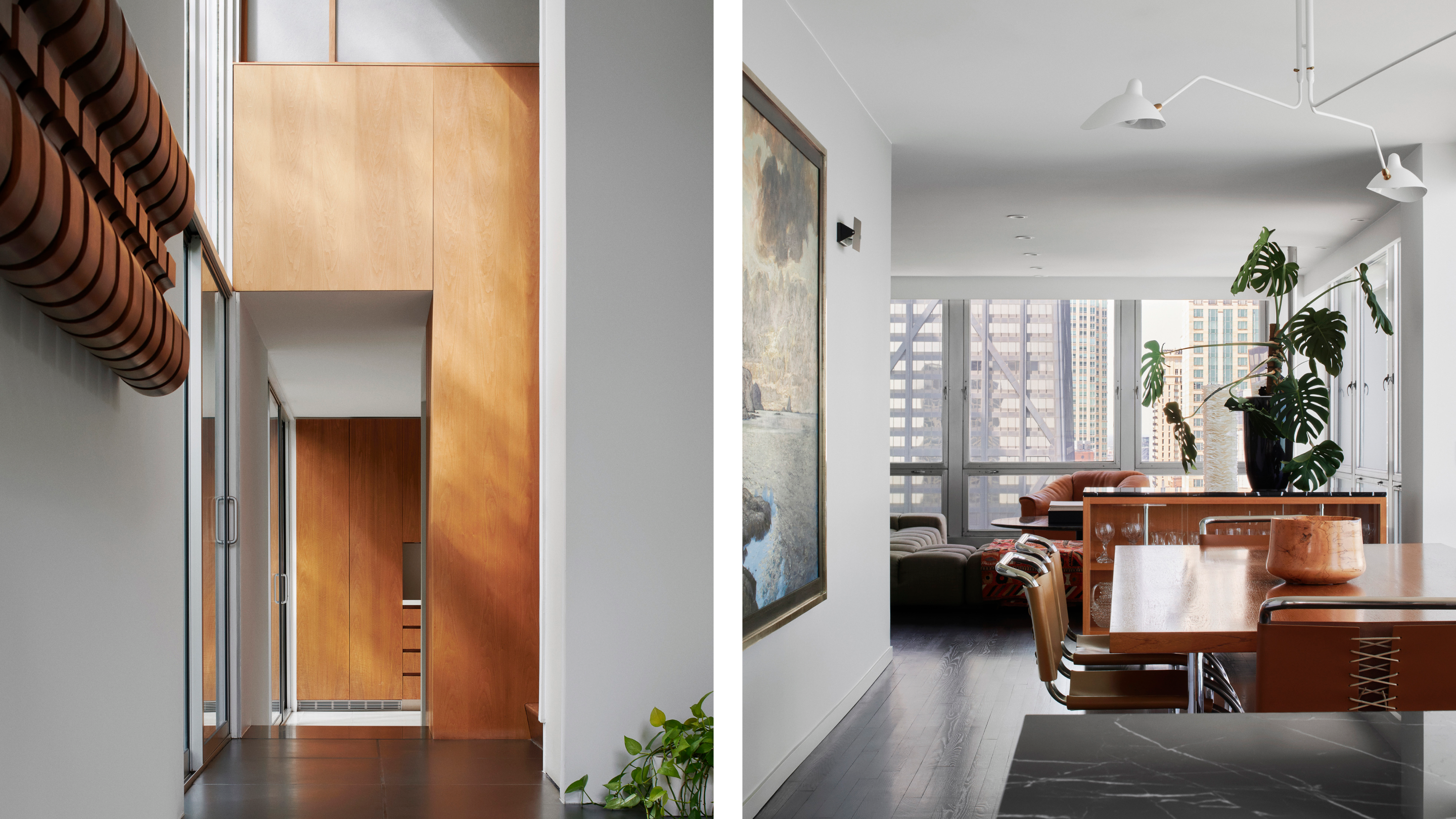
Why focus on “collected objects” opposed to your previous book subjects?
Both of my books are about incredible architecturally designed homes, but in Resident Dog, it was the dogs that brought them to life, and in this latest one, it’s art and collected objects. I’ve always been interested in how a well-designed home can impact our wellbeing, especially when it includes the things we love. This time, I wanted to look at the objects we live with every day, the ones that inspire us, tell a story, or hold meaning. It’s those personal layers that make a space feel special, and that’s what I wanted to capture in this new book Art in Residence.
How did you select the homes to be featured in the book?
First, I reached out to some of my favourite architects and interior designers to let them know what I was working on. I also spent time researching homes through design awards and publications from around the world. And then I always leave a couple of spots open, just in case something unexpected comes along through a recommendation, an introduction, or even word of mouth. I love it when a little surprise finds its way in.
Throughout this project did you find more examples of collecting or decorating as the motivation behind the artwork?
Definitely collecting. In fact, I was only really interested in collecting and not decorating. It’s those more personal, sometimes random collections built up over a lifetime that give these homes their soul. They’re not colour-coordinated with the sofa for example.
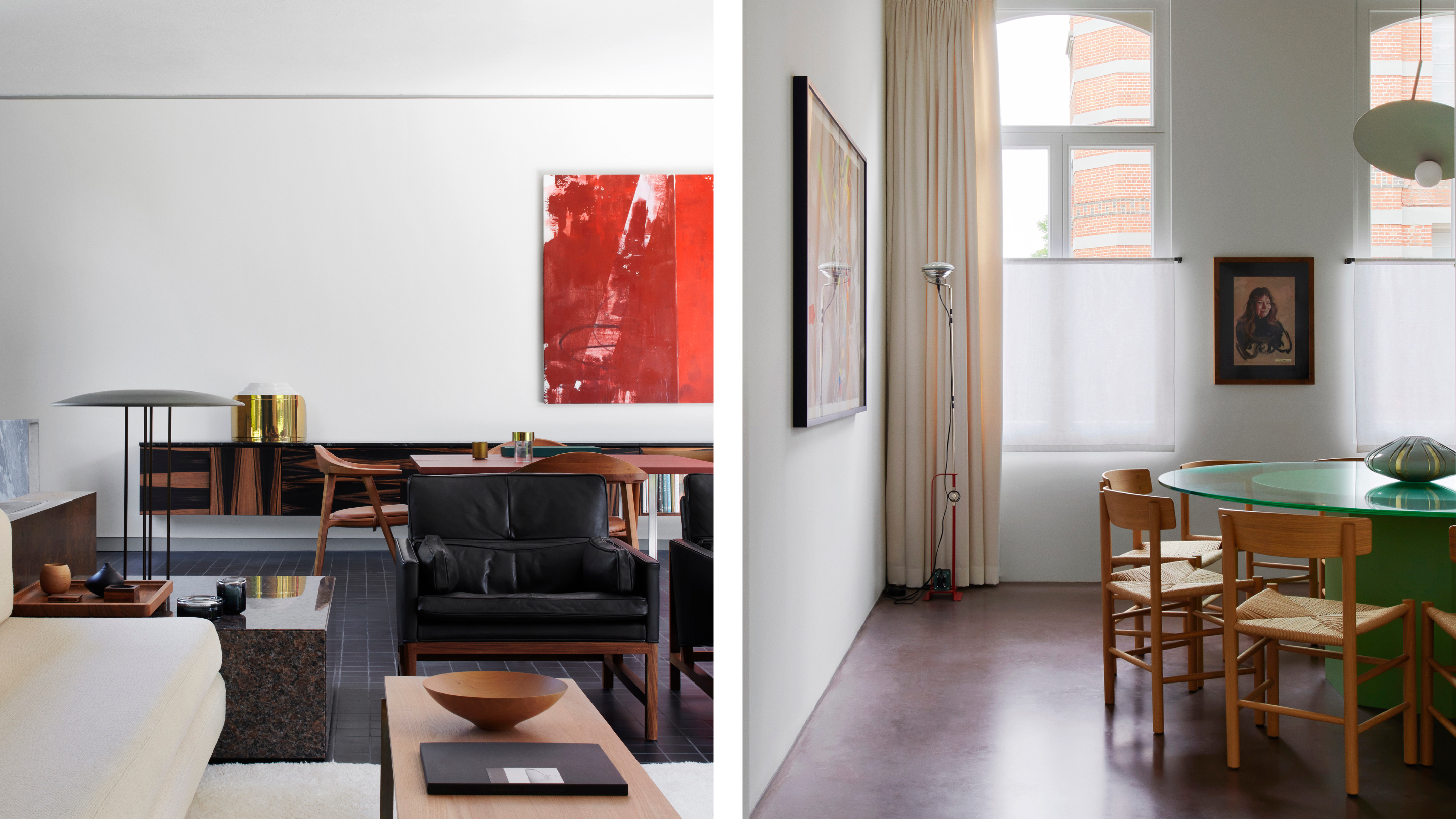
Did you find any examples of artworks passed down through family generations? Or collections that had been formed over years?
Yes absolutely. All of them have a story. One that really stood out was Dirk and Catherine Lohan’s home. Dirk is the grandson of Mies van der Rohe, and their space is filled with pieces passed down from his famous grandfather. There’s the old ashtray that now sits like a sculpture on the coffee table, Mies’s old desk they now use as their dining table, and even a painting they discovered tucked away at the back of his wardrobe after he passed.
Did you have a favourite artwork or home documented in the book?
That’s an impossible question! Every time I walked into a new home, I’d think, “This is my favourite,” and then I’d say the same thing at the next one. I loved all the homes for different reasons. But if I’m being honest, the ones that stayed with me the most were the ones where I spent time with the owners, chatting about how they live, or sharing a drink or lunch in front of their favourite artwork. The artworks ranged from Rothkos to Gormleys, Picassos to Basquiats but some of my favourites were much simpler: sticks and stones collected from the beach, works made by friends, or something picked up at a flea market.

“It was never about the value, it was always about the story.”
Were any countries/locations/homes more challenging or more interesting than others to shoot?
LA is always sunny, which sounds great, but as a photographer, it means dealing with really harsh shadows, which can sometimes be tricky to navigate. I love the architectural history you find in Europe, and the UK and US have wonderful mid century gems. But Australia is still my favourite. The level of architecture and design, the variety, and the way people furnish and style their homes is simply amazing.
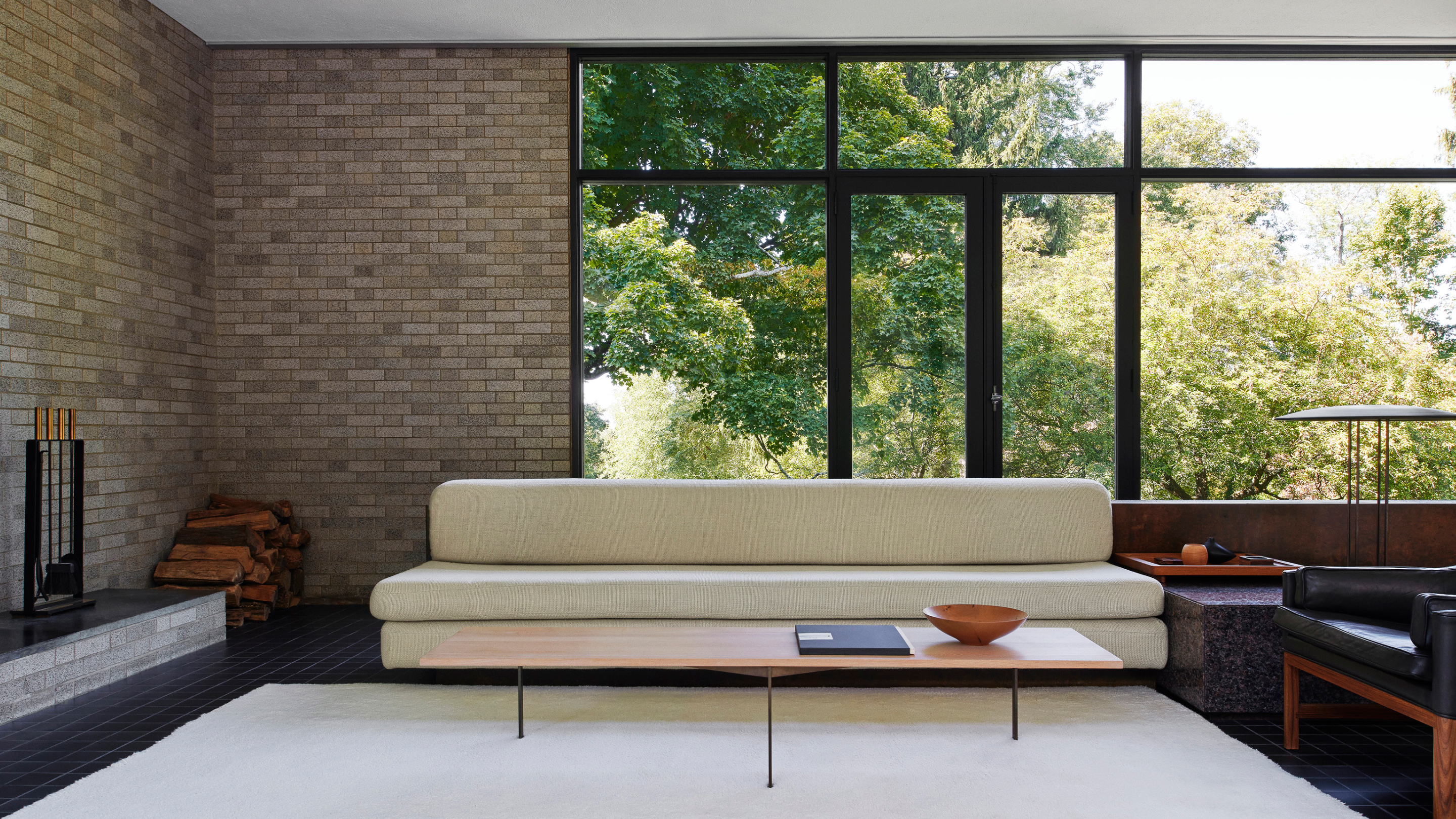
Regarding Hodgson House, BassamFellows' restored Philip Johnson building, was it difficult balancing the artwork in frame in such an architectural space?
This was honestly one of my favourite shoots. Philip Johnson is one of my favourite architects, and BassamFellows one of my favourite designers, so photographing both in the same space was a real privilege. What I love about modernist architecture is the strong lines and geometric shapes, the artwork naturally sits within those forms, almost as if it’s been framed by the architecture itself. The beautiful layers of objects that Scott and Craig have brought into the space help to soften those lines and add a real sense of warmth. And because it’s a primarily glass house, the light filtering through the windows throughout the day danced across every surface, creating its own kind of art.