


Exploring hominess and belonging in design, and the creation of spaces that feel intuitively “just right”.
The science of belonging
Intuitively, we all know the feeling of entering a room and immediately feeling at ease or stimulated—that interacting with elements of design, be it sensations of light, colour, or texture, can trigger emotions and spark a dynamic interplay of neurotransmitters in our brains. This process can shape our feelings, thinking and behaviour. There is more to design than meets the eye.
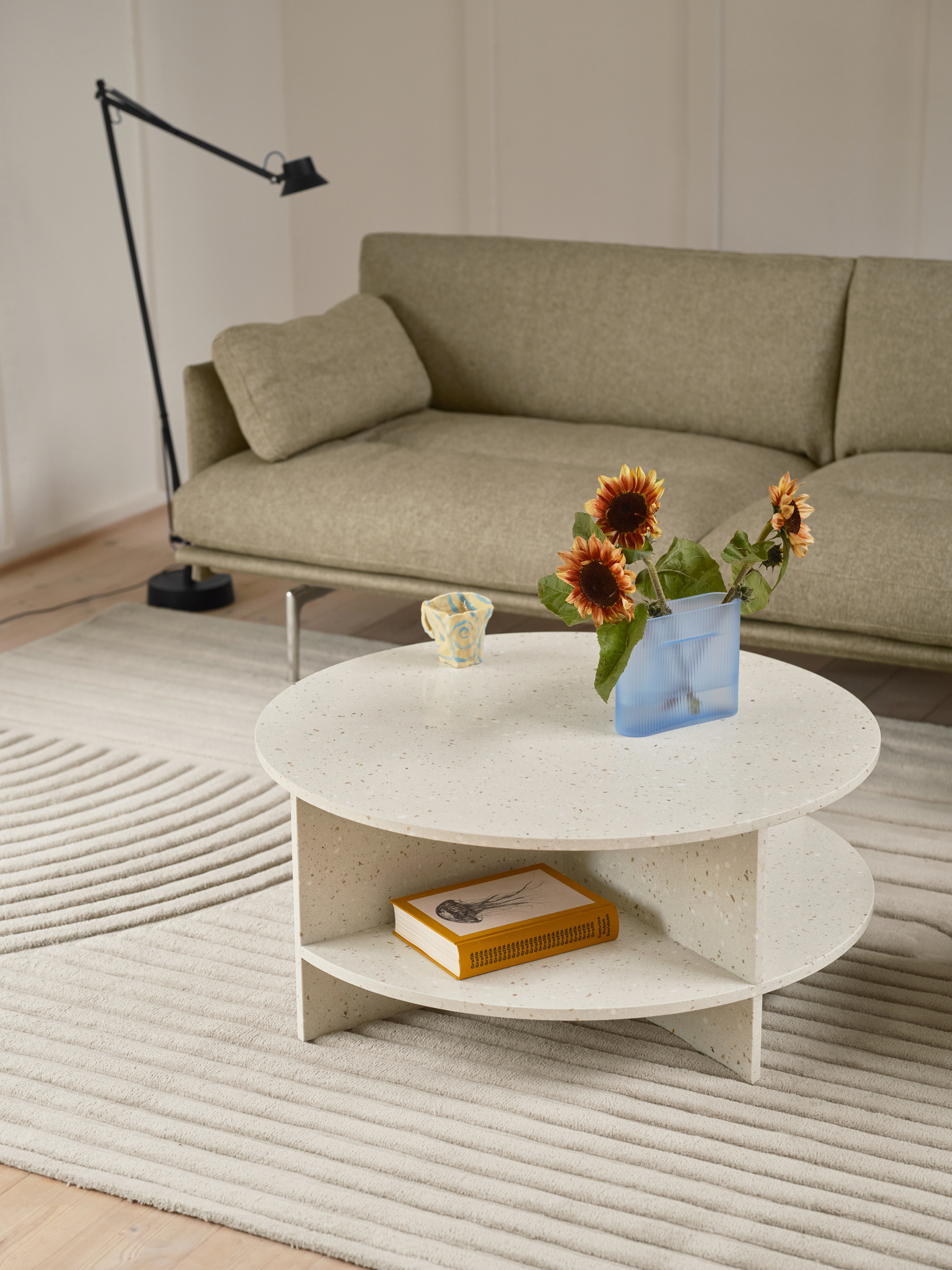
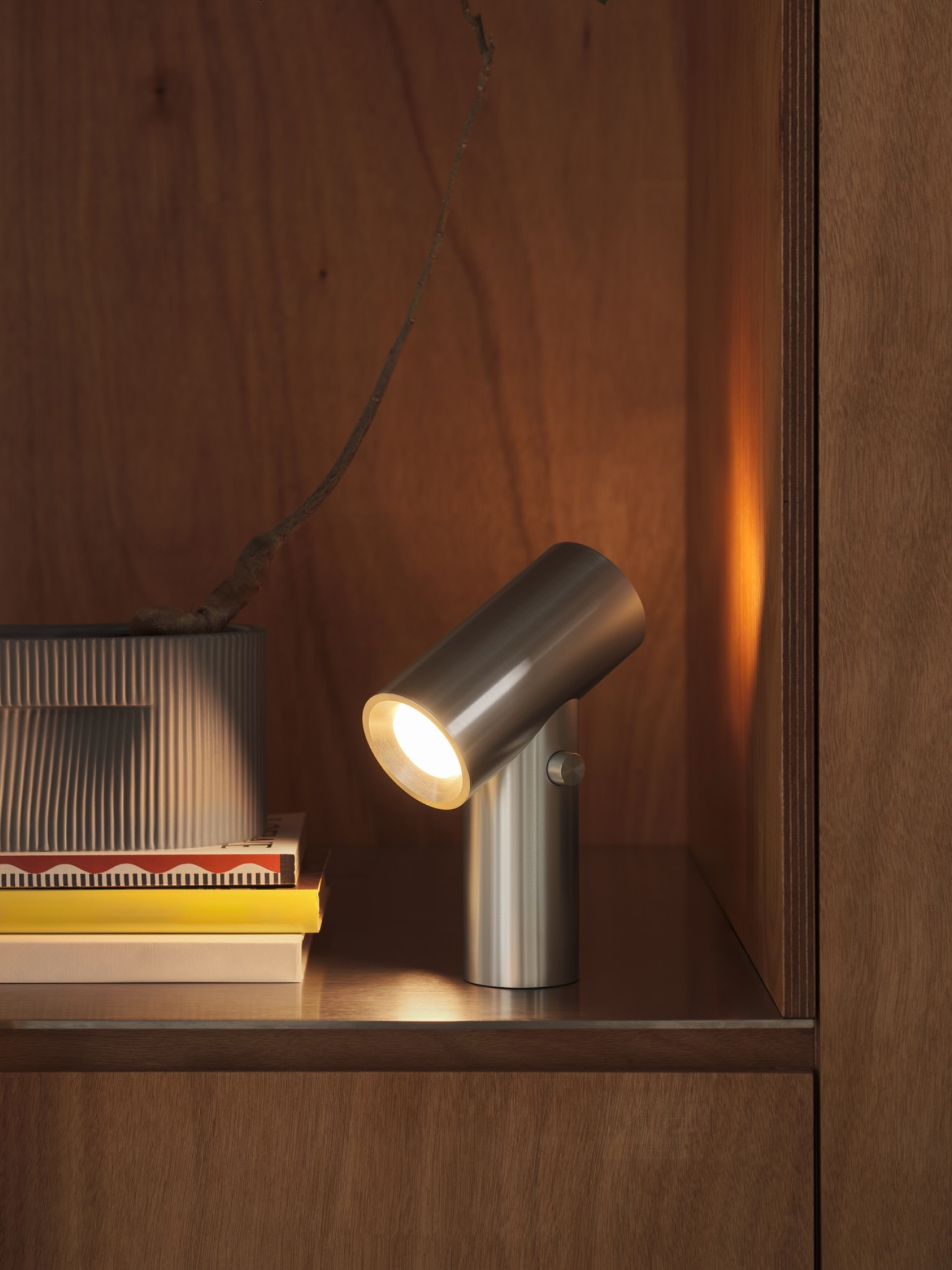
The impact of neuroaesthetics on design and spaces
Neuroaesthetics is about mind–body connection: a scientific discipline that explores and measures how creative expression makes an impact on us. It gives a deeper understanding of the way art, design, and architecture activate our senses and stimulate our sense of well-being. Understanding how we respond to different spaces allows us to better discern the connection between body, mind, and design.
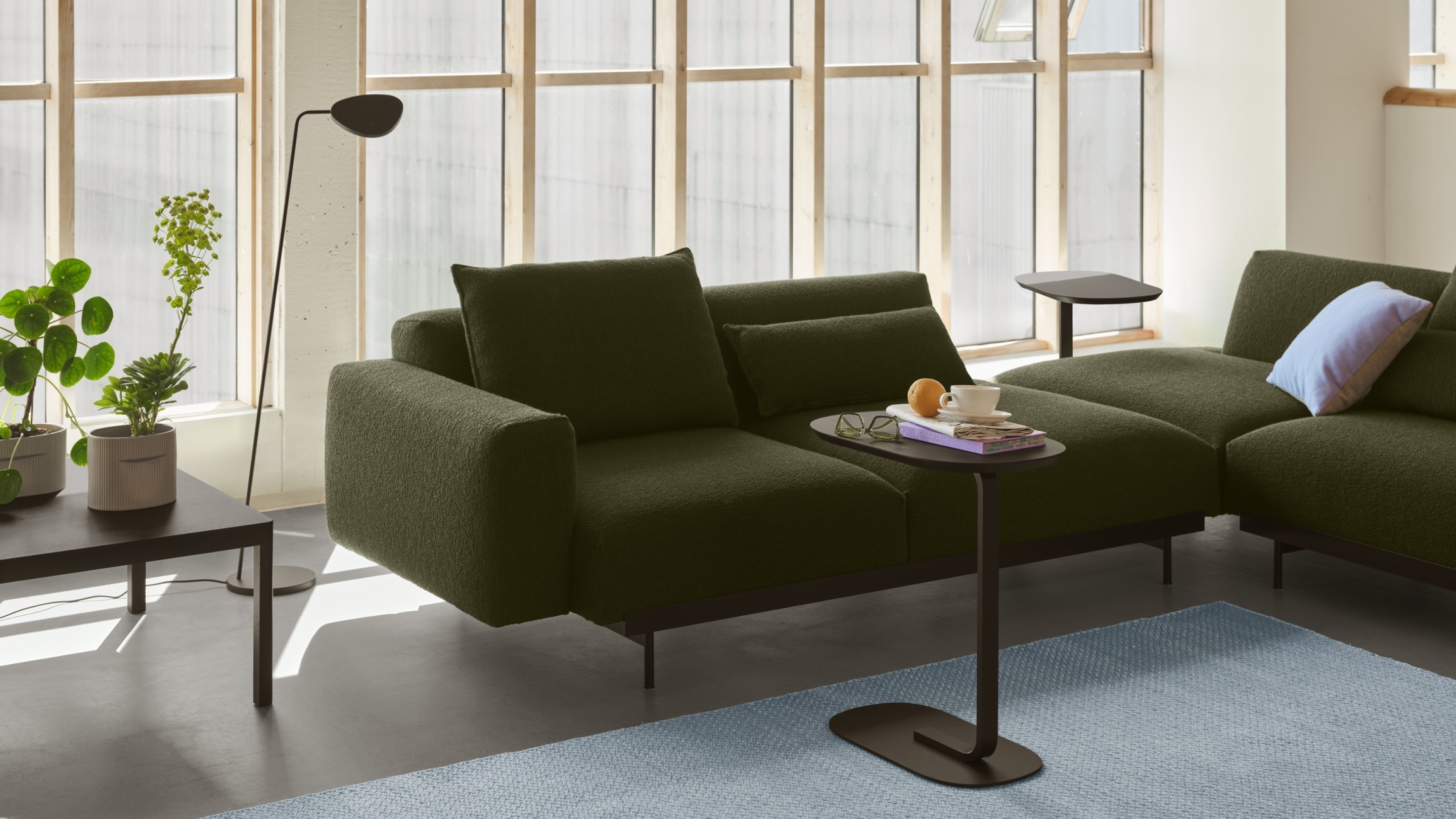
“Spaces speak to us through the senses—through light, texture, rhythm, and the subtle details that allow us to relax into ourselves.”
Creating intentional spaces
It all has to do with the space and intention: what kind of setting are we trying to create? And what should it make us feel? Taking cues from the field of neuroaesthetics enables us to make more informed decisions when designing a space, tailored to the people using it and the activities that take place. It allows us to create intentional spaces that change according to user and need, all while promoting well-being.
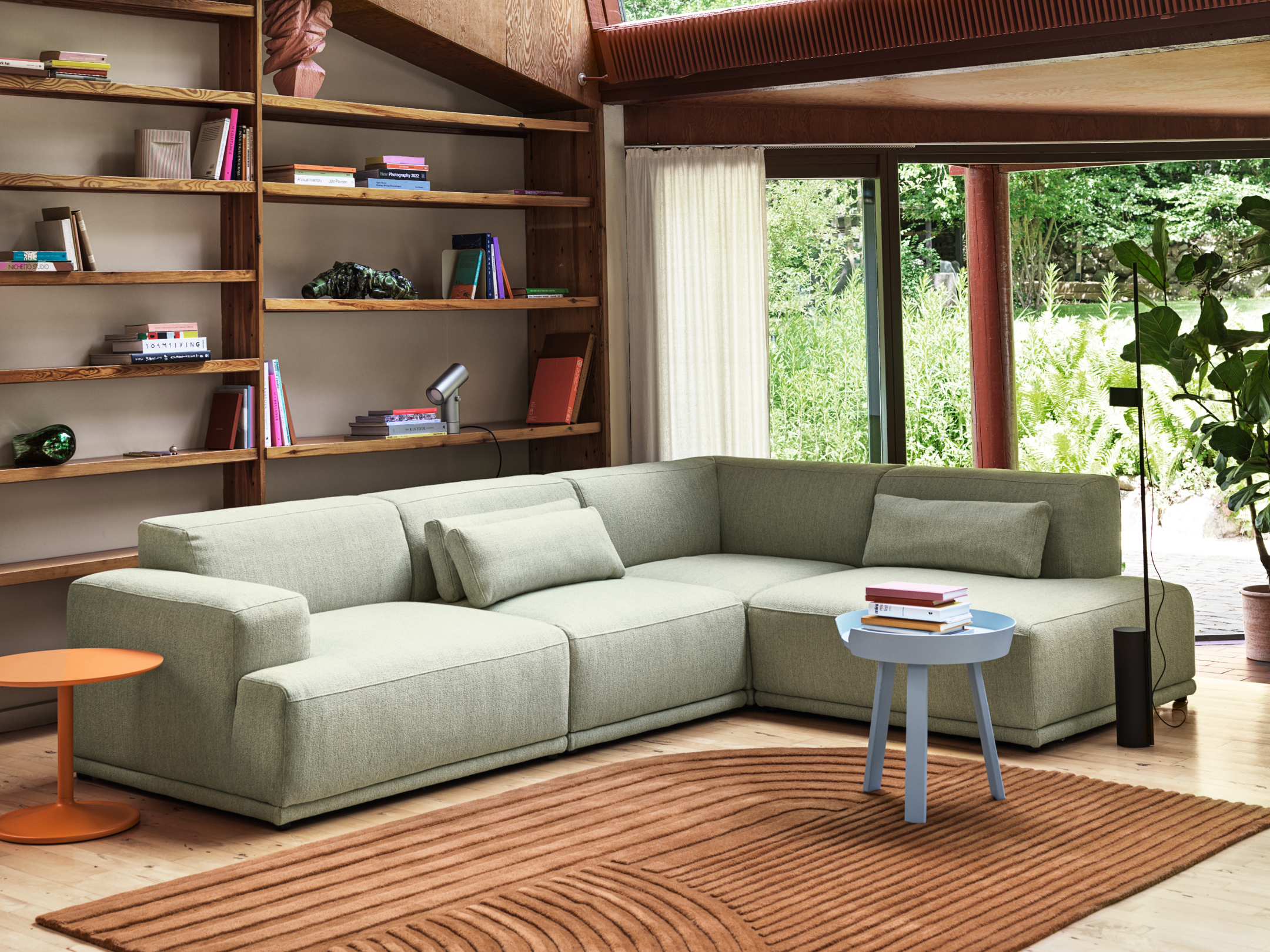
Muuto’s approach to designing spaces is driven by five guiding principles of neuroaesthetics: Nature, Light, Form, Colour and Tactility, while remaining open to the potential for further expansion and refinement of these principles, recognising the ongoing evolution of this field.
Five guiding principles
A sensory framework for designing spaces
Biophilia and nature in the interior
Research has shown that welcoming nature back into our interiors helps to promote well-being and significantly lowers our cortisol levels.
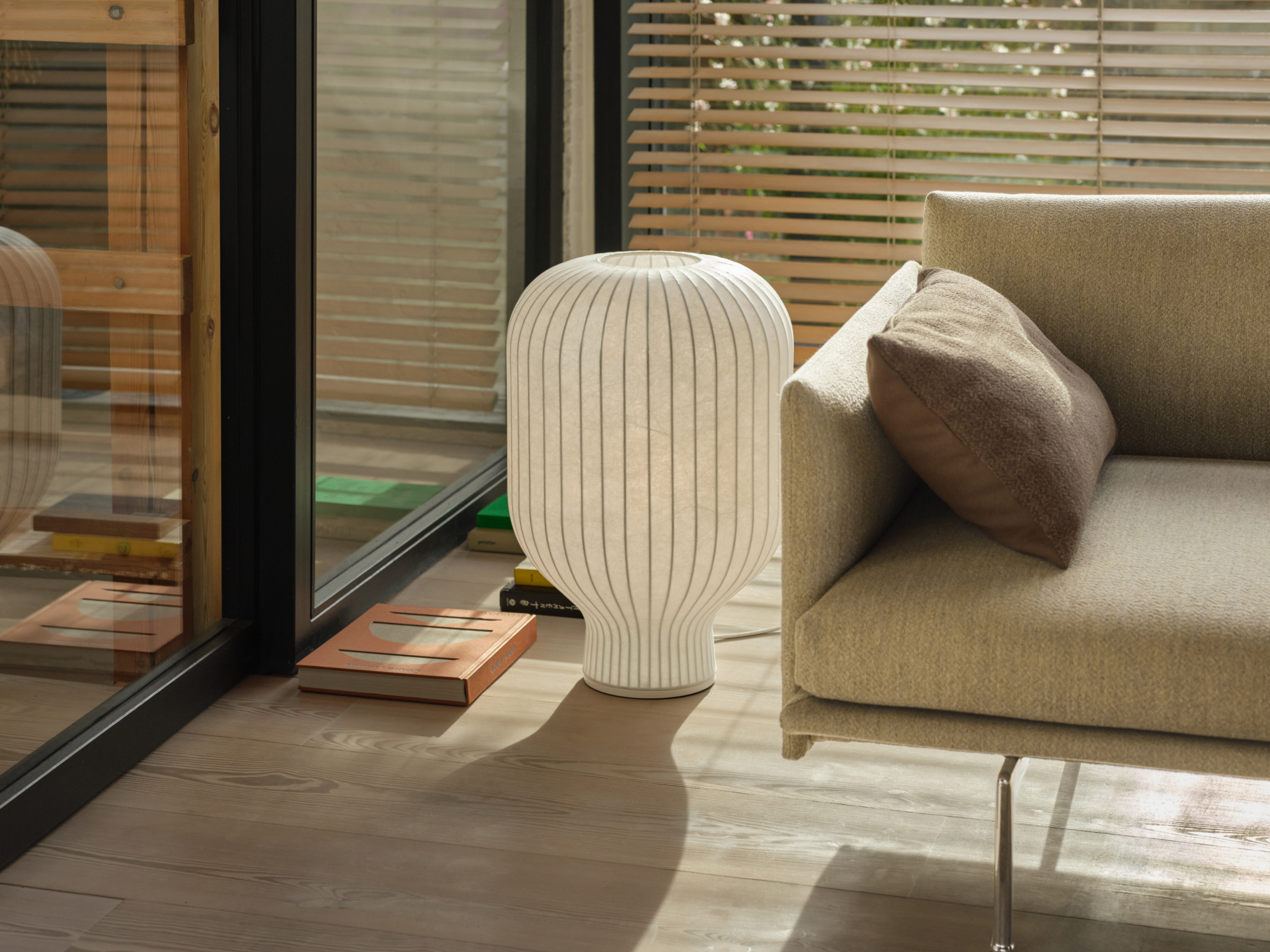
Light as a tool
Our circadian rhythm is greatly impacted by both natural and artificial light. For example, cooler light makes us more alert, while warmer light temperatures inspire a sense of calm.
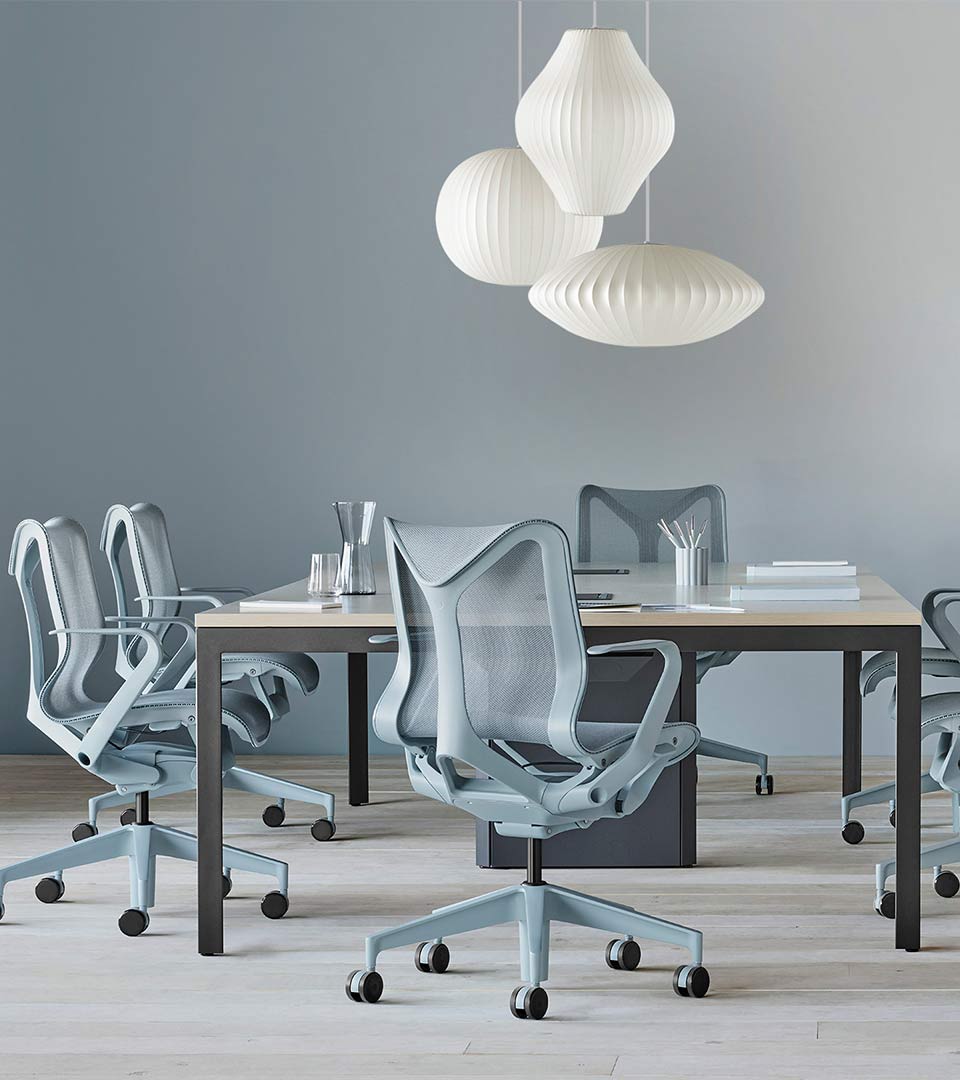
The pull of round shapes
We naturally gravitate towards certain shapes, in particular smooth curves. Research has shown that the smooth curves of modernist sculptor Jean Arp produce a pleasant sensation in the beholder—that we prefer smooth to sharp angles.
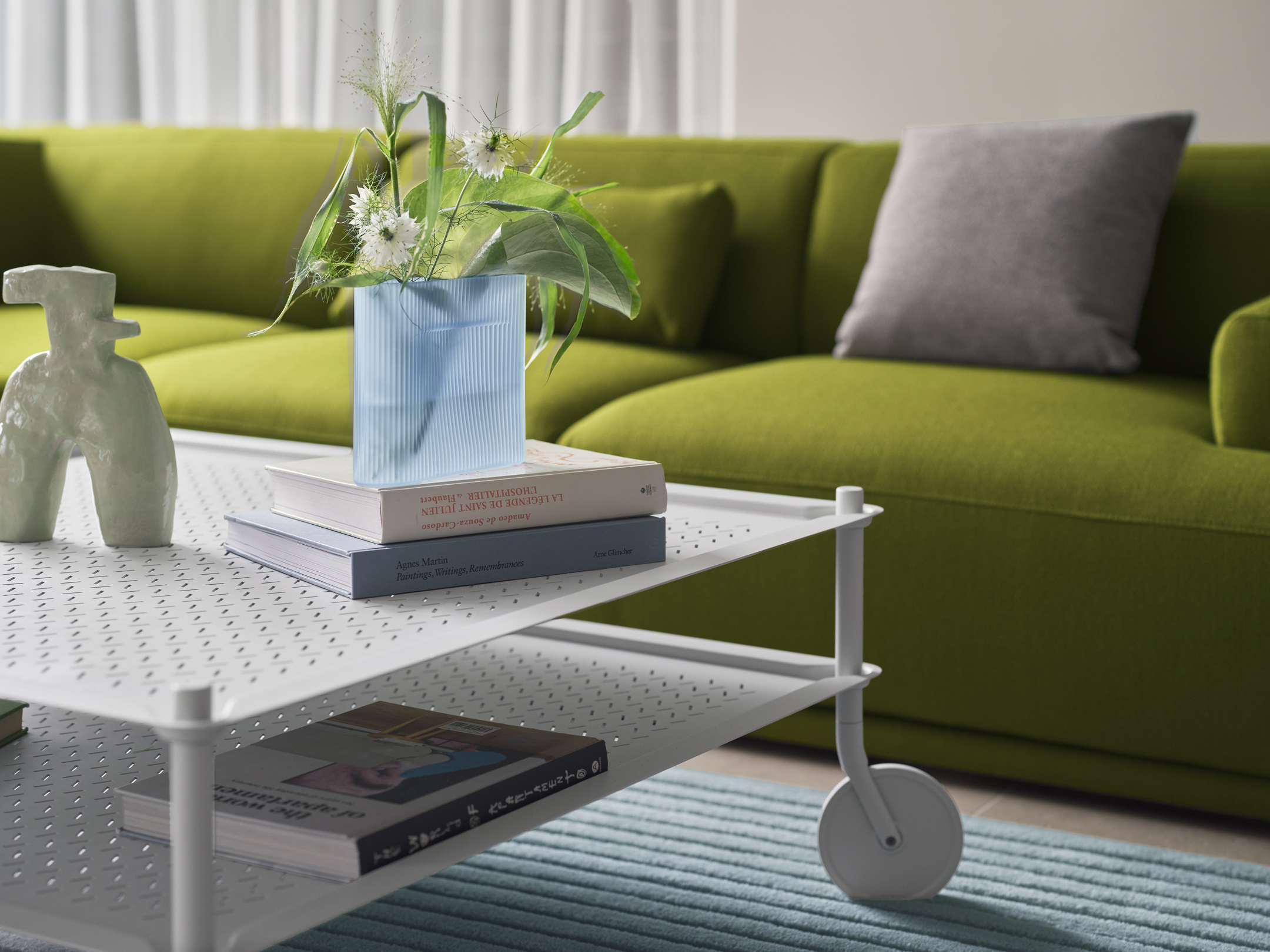
No wrong colour combinations
Colour has biological and psychological effects on us. It can bring about a visual sense of ease or vibrance to our surroundings, but also profoundly influence the way we feel and behave in a space.
Tactility—knowing with our hands
We perceive the world around us through all of our senses. It is not just about how something looks but how it feels. We experience objects and spaces through our sense of touch—we know with our hands.
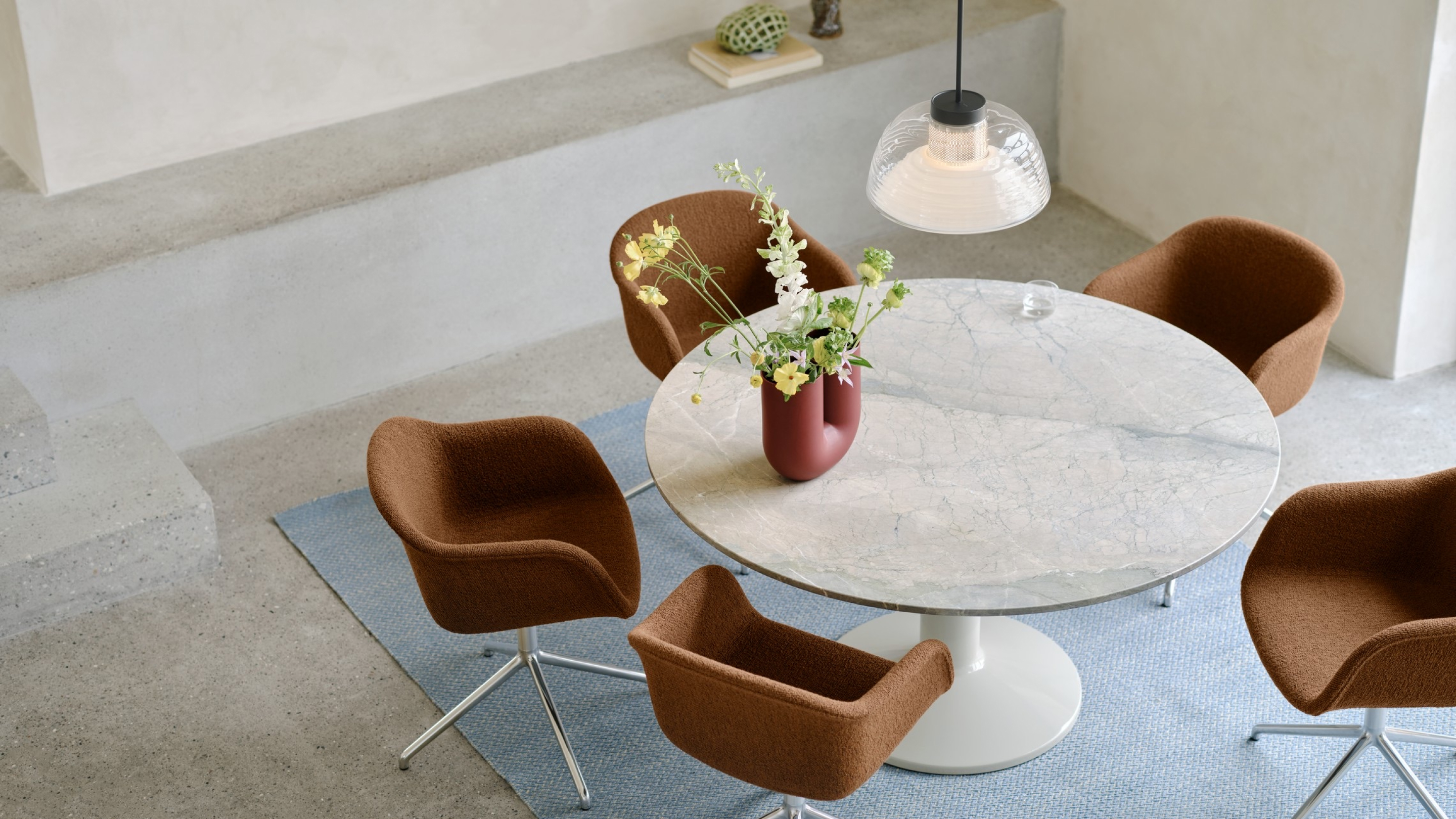
Together, these principles form a kind of sensory vocabulary - a way of creating environments that feel intuitive rather than imposed, balanced rather than busy, alive rather than static.
A Sense of Belonging
Read Muuto’s long-form exploration of hominess and belonging in design.
Sign up to download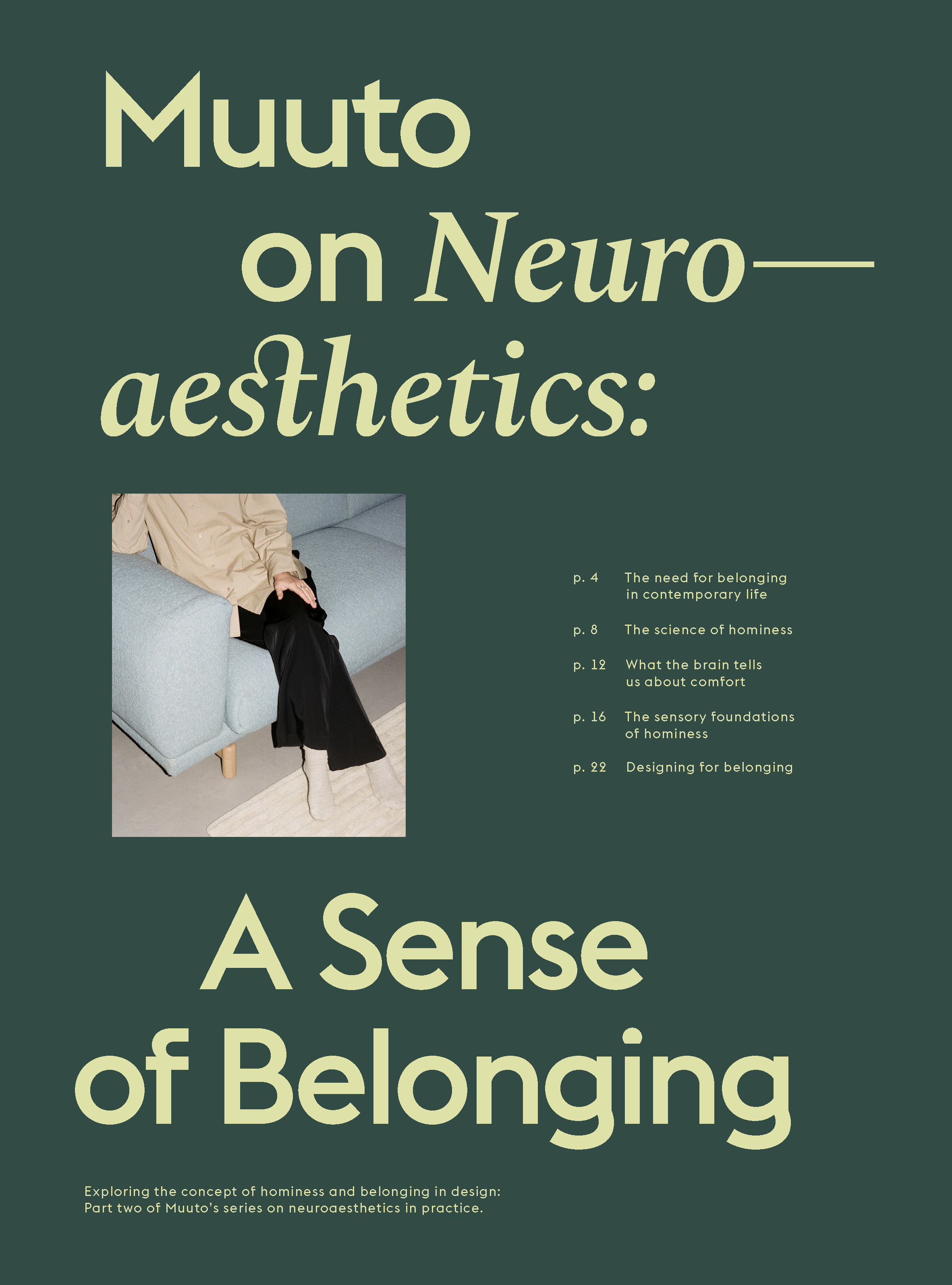
New Perspectives
Shop a collection furniture, lighting and accessories by Muuto at Living Edge.