


In an ongoing exploration of fashion as methodology, construction, proportion and material transitions take precedence over surface expression.
New York’s RTH blurs the line between what you wear and where you live.
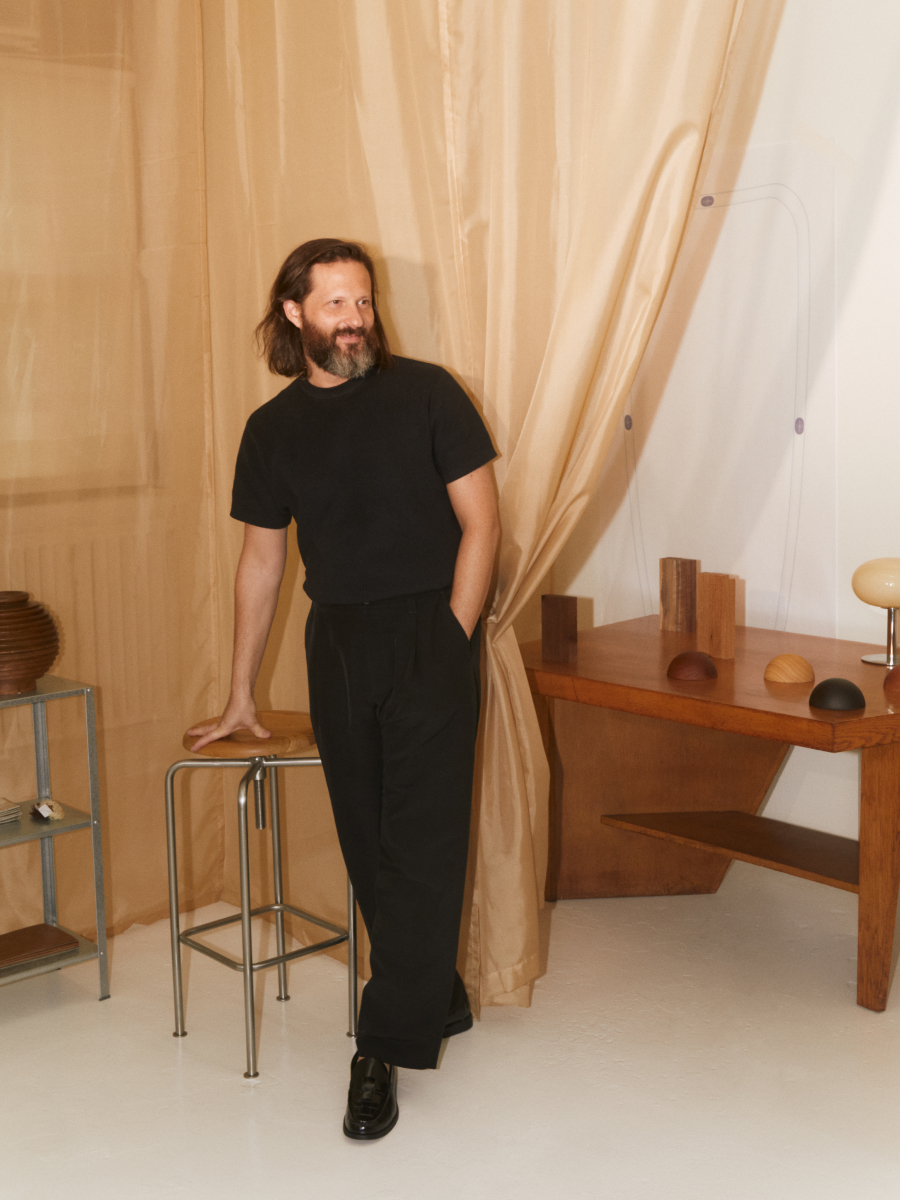
RTH merges designer aesthetics with accessibility to create collectible, high-quality pieces where function meets art. Founded by Jeffrey Renz in 2023, the brand reflects a considered approach to contemporary furniture, balancing expressive form with everyday usability.
Jeffrey Renz has spent over a decade in the furniture industry, beginning with a passion for sourcing vintage pieces, before moving into the luxury sector and becoming a partner at a contemporary furniture and product design studio in New York City. Throughout his journey, Jeffrey has maintained a belief that furniture, much like fashion, serves as a powerful expression of personal style.
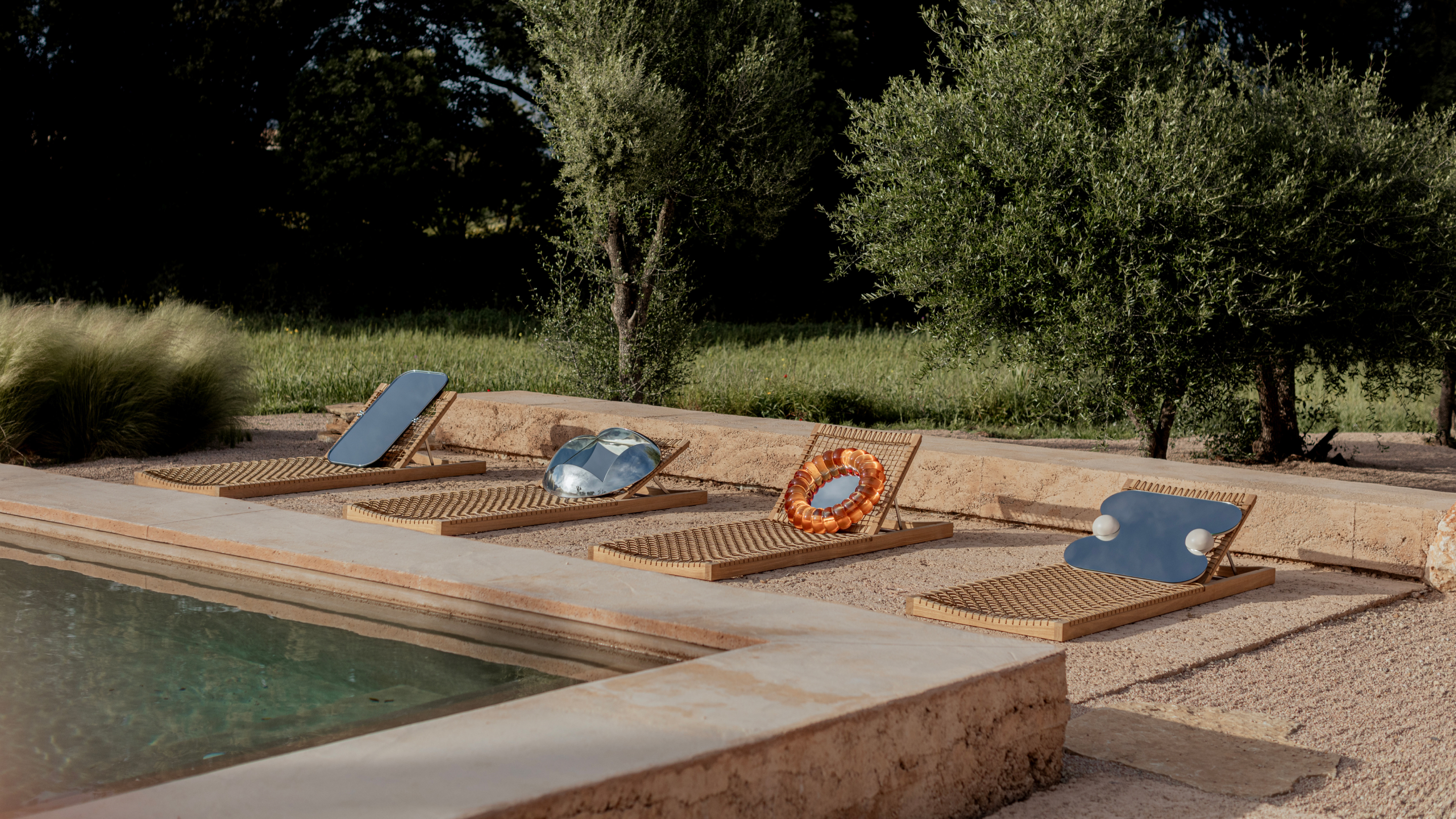
More than functional objects, RTH pieces are conceived as experiences — inviting interaction, sparking conversation, and creating moments of connection within the spaces they inhabit. Ahead of the launch of its new collection, we sat down with Jeffrey to discuss the inspiration behind the brand, upcoming releases, and what lies ahead for RTH.
How does fashion influence your design approach and shape the identity of RTH, particularly in the way you approach mirror design?
I think about mirrors the way a designer thinks about a garment. There’s silhouette, proportion, tension. There are the small decisions — a clasp, a seam, a curve — that quietly change the entire read of a piece. Those details are what separate clothing from craft.
Most people treat a mirror as utility. I see it as the statement coat of a room. It’s the last thing you put on, but it’s what defines the look. We’re not just framing a reflection; we’re dressing the wall.
RTH was built around the idea of “ready-to-wear” for interiors. Sculptural pieces that feel considered but never intimidating. High-concept, yes, but effortless. When one of our mirrors goes up, the room shouldn’t feel decorated. It should feel tailored, finished, like it finally put something on.
With RTH, you’ve consistently treated mirrors as more than functional objects—punctuation in a space. How has that philosophy shaped the evolution of the brand?
The mirror is usually the last decision in a room. It’s functional, fills a gap, checks a box. And yet it’s the object you stand in front of every day before you step out into the world. That disconnect always felt strange to me.
People obsess over their clothes, a chair, a lamp — objects that signal identity. But the thing that literally shows you yourself rarely reflects its owner. That tension became the foundation of RTH.
We’ve never wanted our mirrors to dominate a space, they are punctuation. Something intentional that sharpens the room rather than overwhelms it.
As the brand has evolved, that philosophy has kept us disciplined. Every new category still has to answer the same questions: does it express something? Does it feel worn in, personal, considered? If it doesn’t carry that same emotional feeling, it doesn’t belong. The mirror just happened to be the most honest place to start.
Wood plays a starring role in this new collection, moving from structural support to a defining material. What drew you to explore wood as a central, visible element for these pieces?
In the beginning, wood was invisible. It was the structure, the skeleton holding up bolder gestures, brighter colours, louder ideas. We were interested in silhouette first. But as the brand matured, so did our restraint. We became less interested in surface and more interested in substance. I started wanting the material itself to carry the emotion.
Wood felt honest in a way that nothing else did. The grain is never identical, the tone shifts in light, and it ages. When you allow it to be visible, not painted over and hidden, it becomes the design.
This collection is really about that shift. Wood moves from support to subject. The warmth and the quiet irregularities — that’s the story now. It feels less like adding something and more like revealing what was there all along.
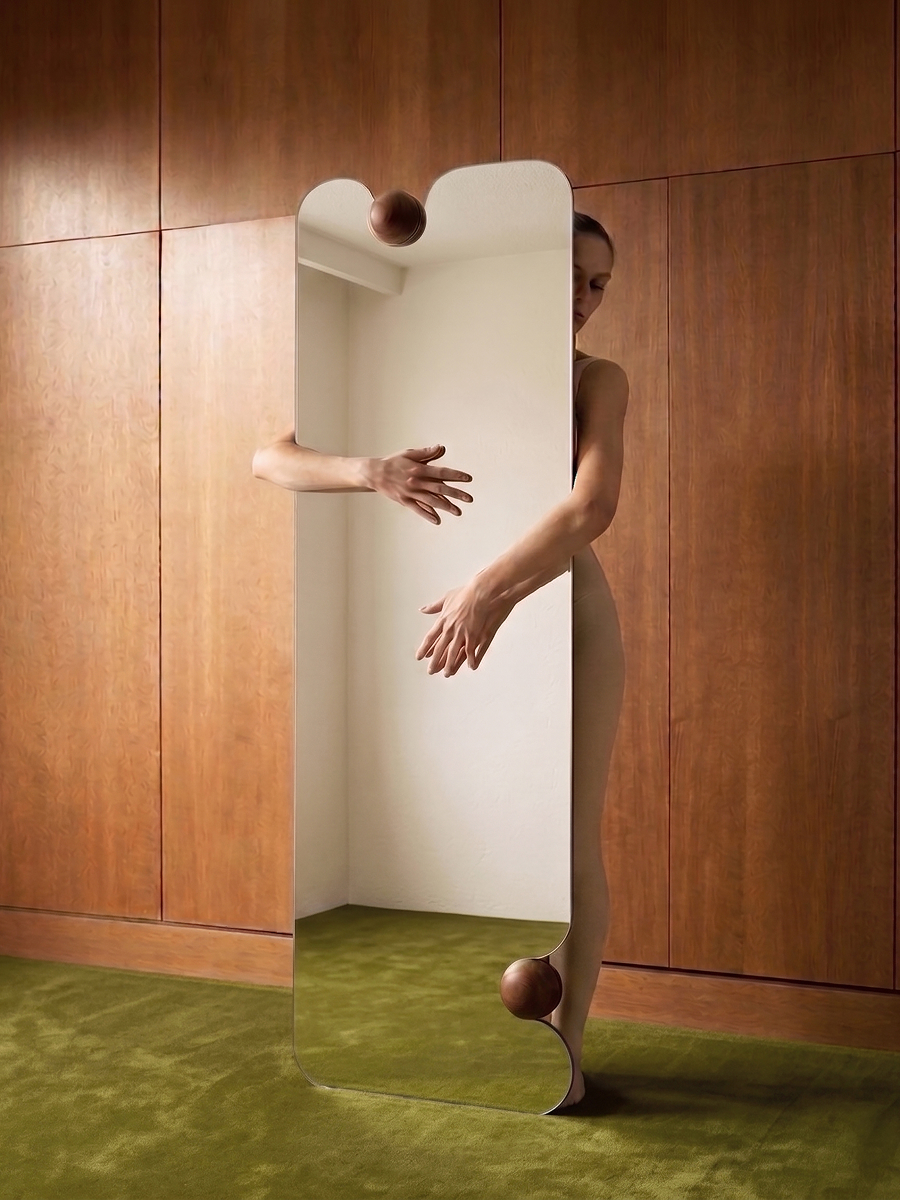
Biggest Squeeze and Stitch introduce tactile and structural interventions, from solid wood pressure points to hand-carved “stitches.” How do these details balance visual impact with functional engineering?
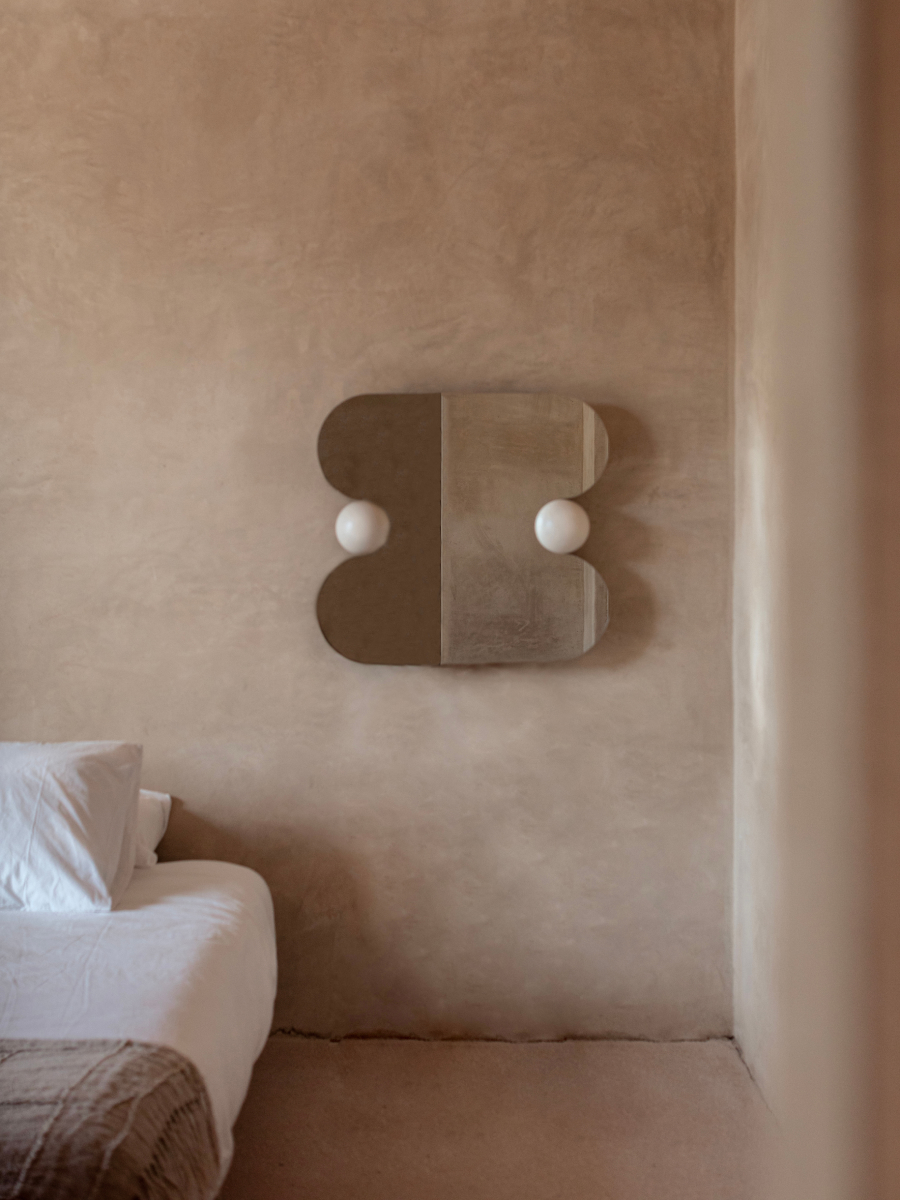
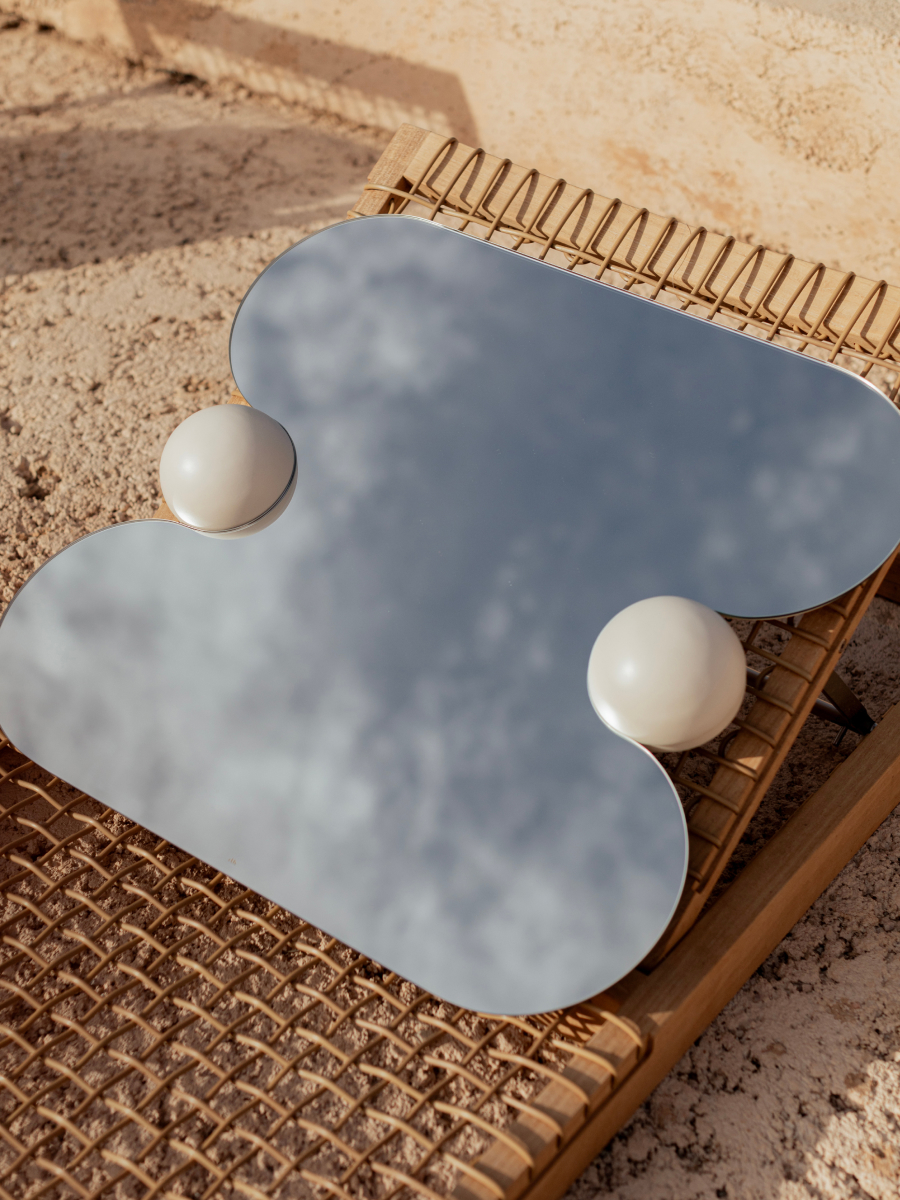
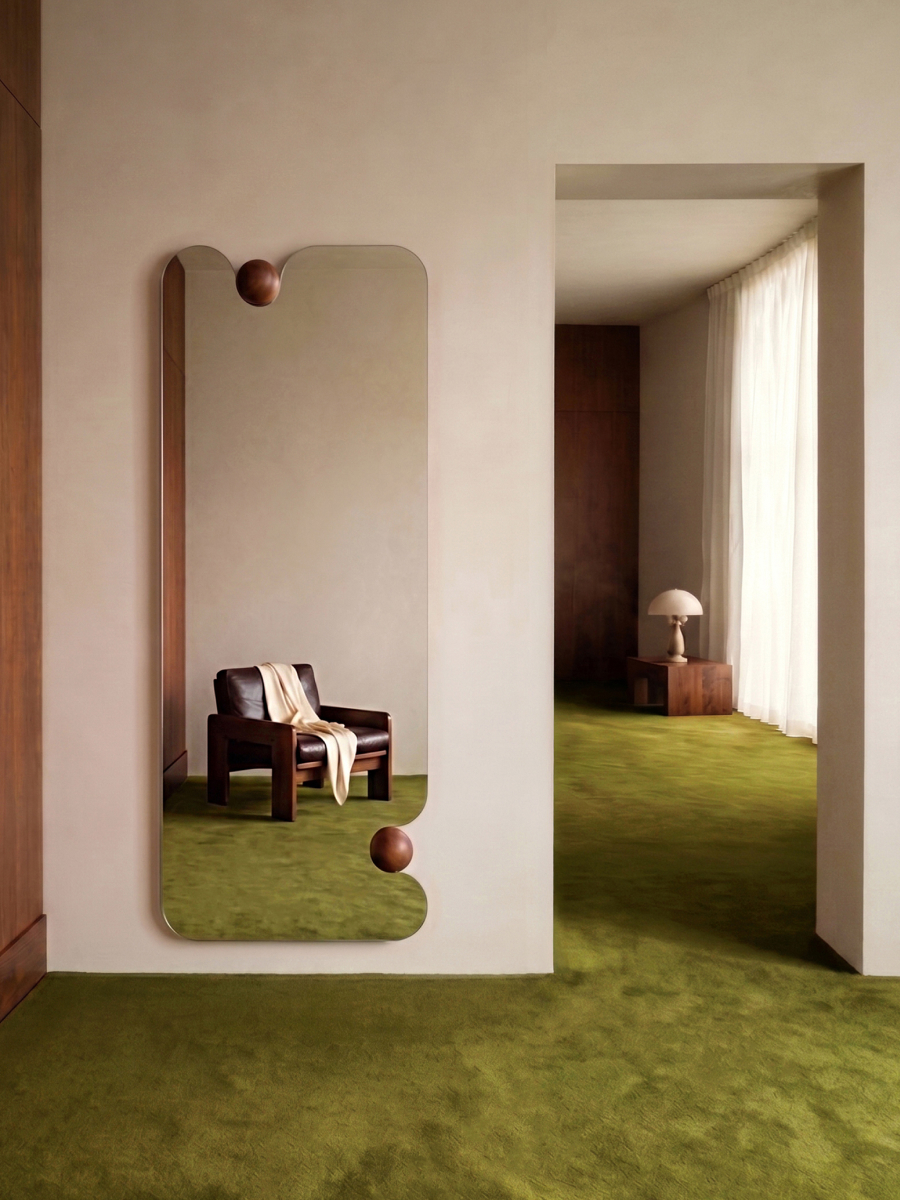
Both pieces are exercises in precision. With Biggest Squeeze, the wooden spheres don’t sit on top of the mirror. The glass is custom-cut to meet them exactly. The pressure is intentional. The tension between wood and reflection is engineered, not decorative.
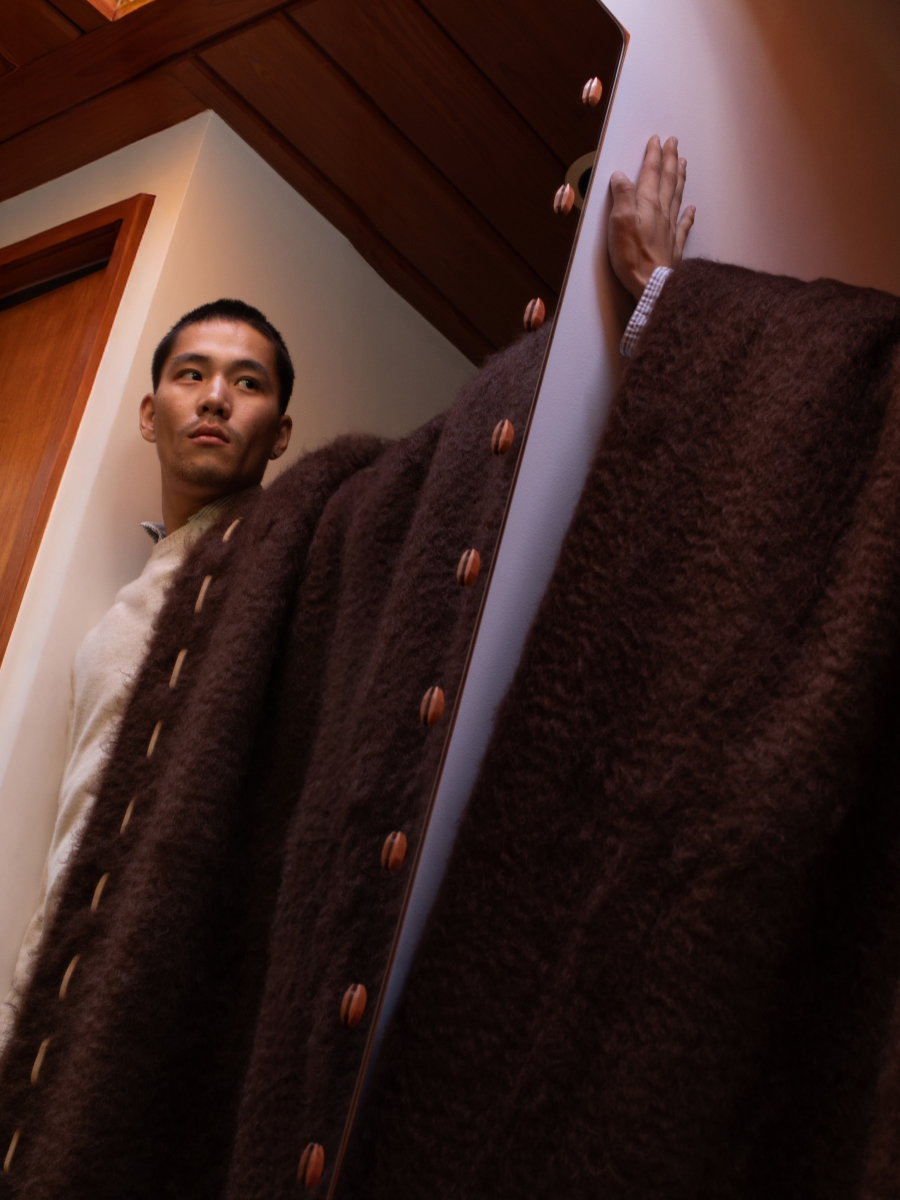
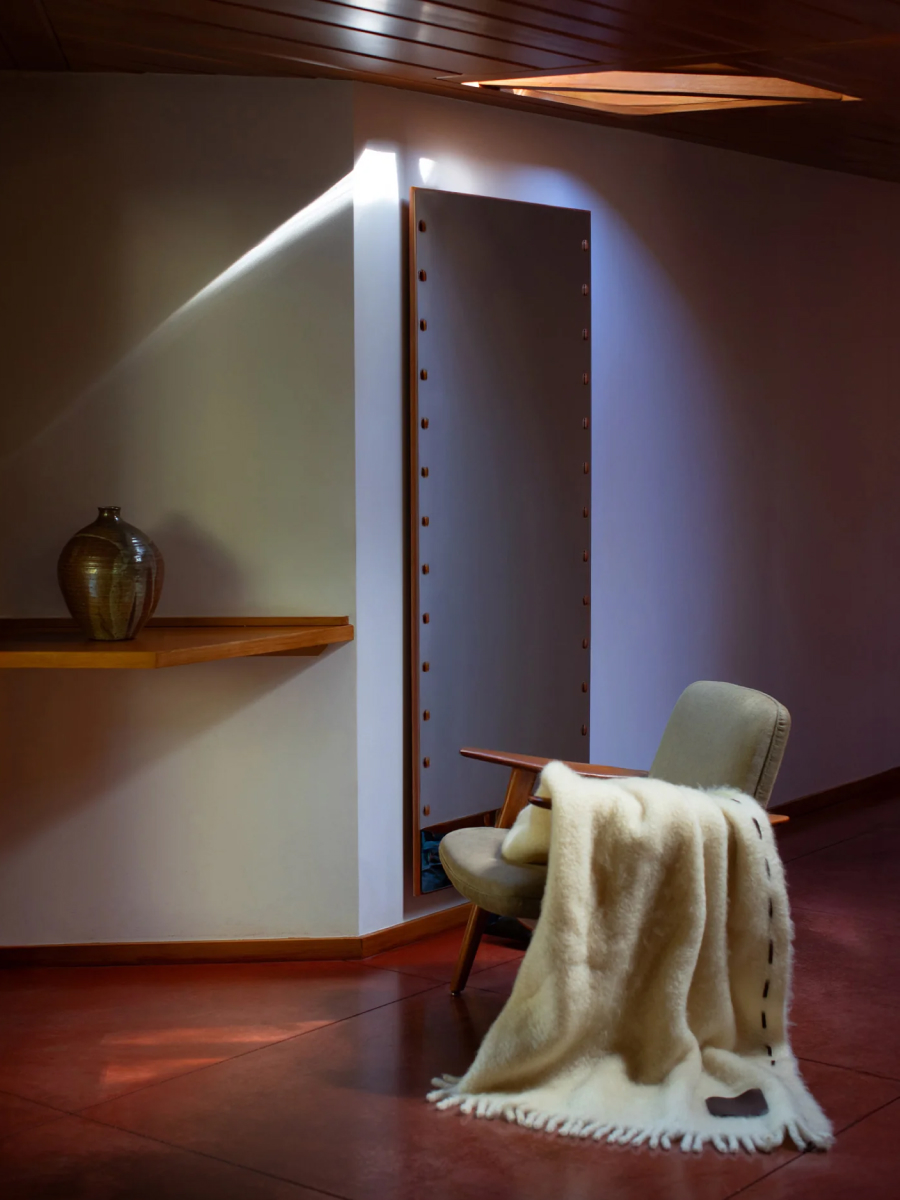
With Stitch, it’s the same discipline. The glass is precision-cut so the hand-carved wooden “stitches” can be inlaid directly into the surface. Nothing is applied as an afterthought. Everything is integrated.
The intervention has to feel inevitable. The work of making the piece becomes part of its beauty.
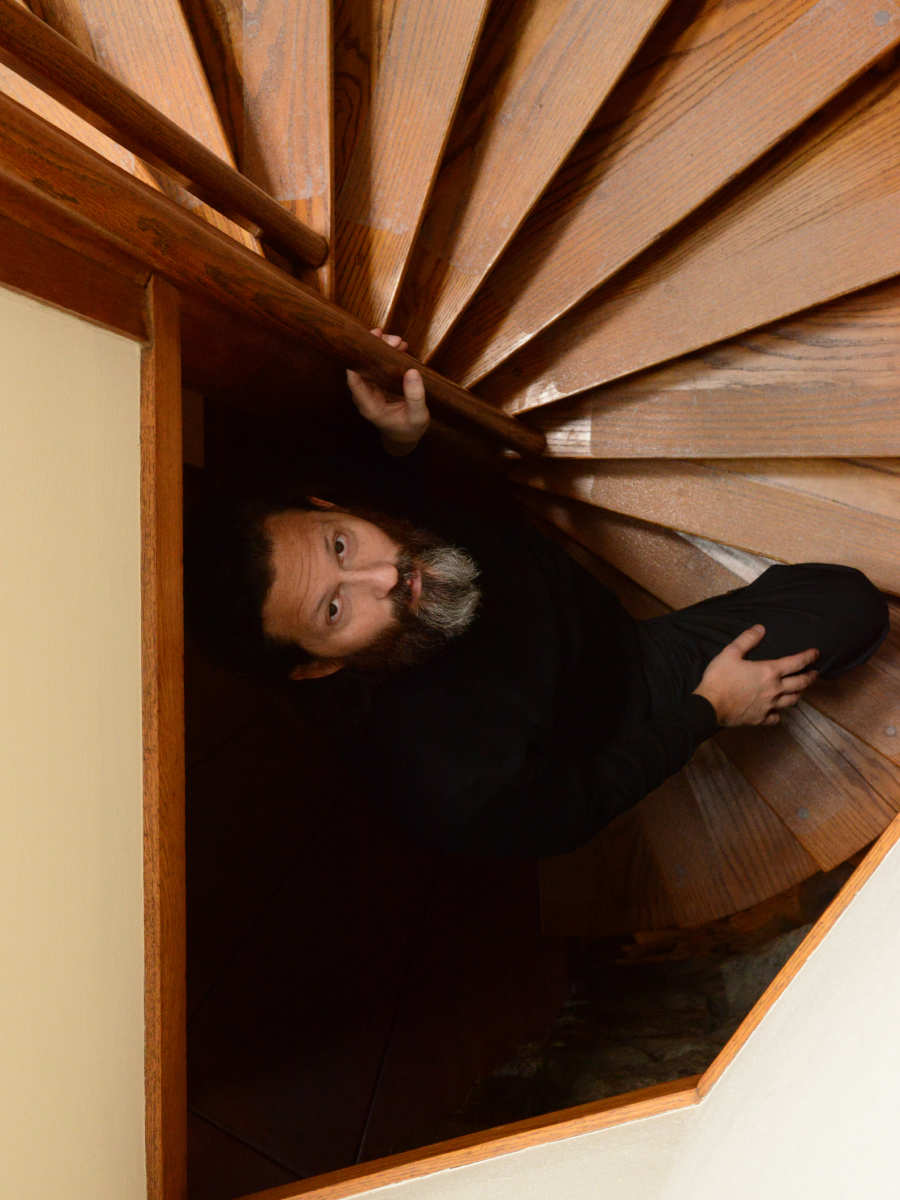
What do you hope people feel or experience when living with these pieces in their homes?
A mirror is never static. It shifts as light moves through a room, as you pass it, as the day changes. It’s always in conversation with its surroundings.
What I hope for is a moment of pause. Someone walks by, catches a glimpse of themselves, and the piece feels intentional, like it belongs there as part of the architecture of their life.
It should feel like art that just happens to function. Something you live with every day, and notice differently over time.
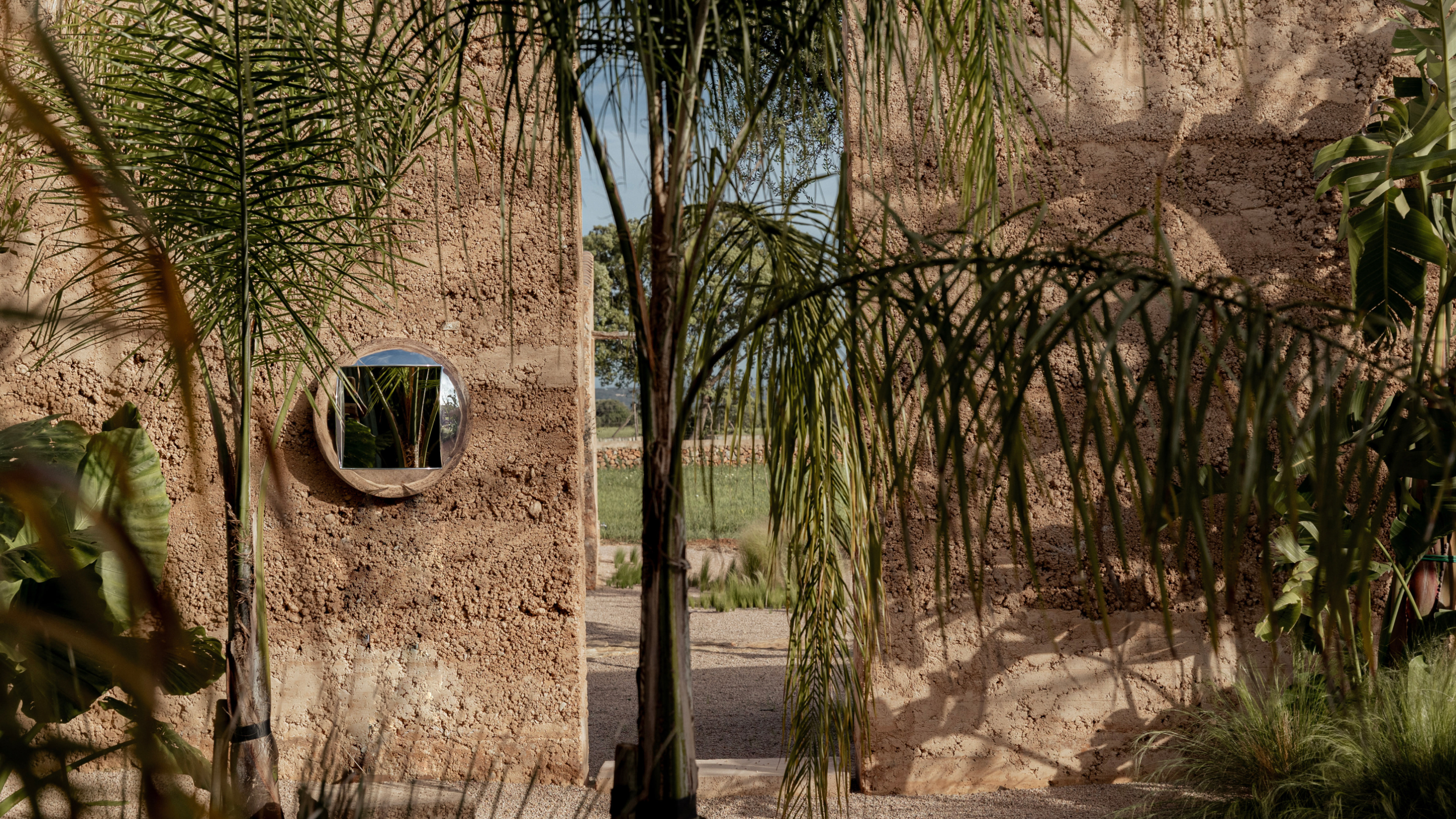
Looking ahead, how do you see RTH evolving, and are there any trends or directions in design that you’re excited to explore next?
We’re moving toward building out the entire room. Mirrors are our DNA and will always be the heart of what we do.
I think of RTH the way you think of a fashion house that became known for its bags. The bag defines it and builds the audience. Eventually, though, you want to see the full collection.
We’re expanding our universe, applying our logic to new categories and building a cohesive RTH world. I’m less interested in trends and more interested in coherence. When you walk into a space, you shouldn’t see products. You should feel a point of view.