
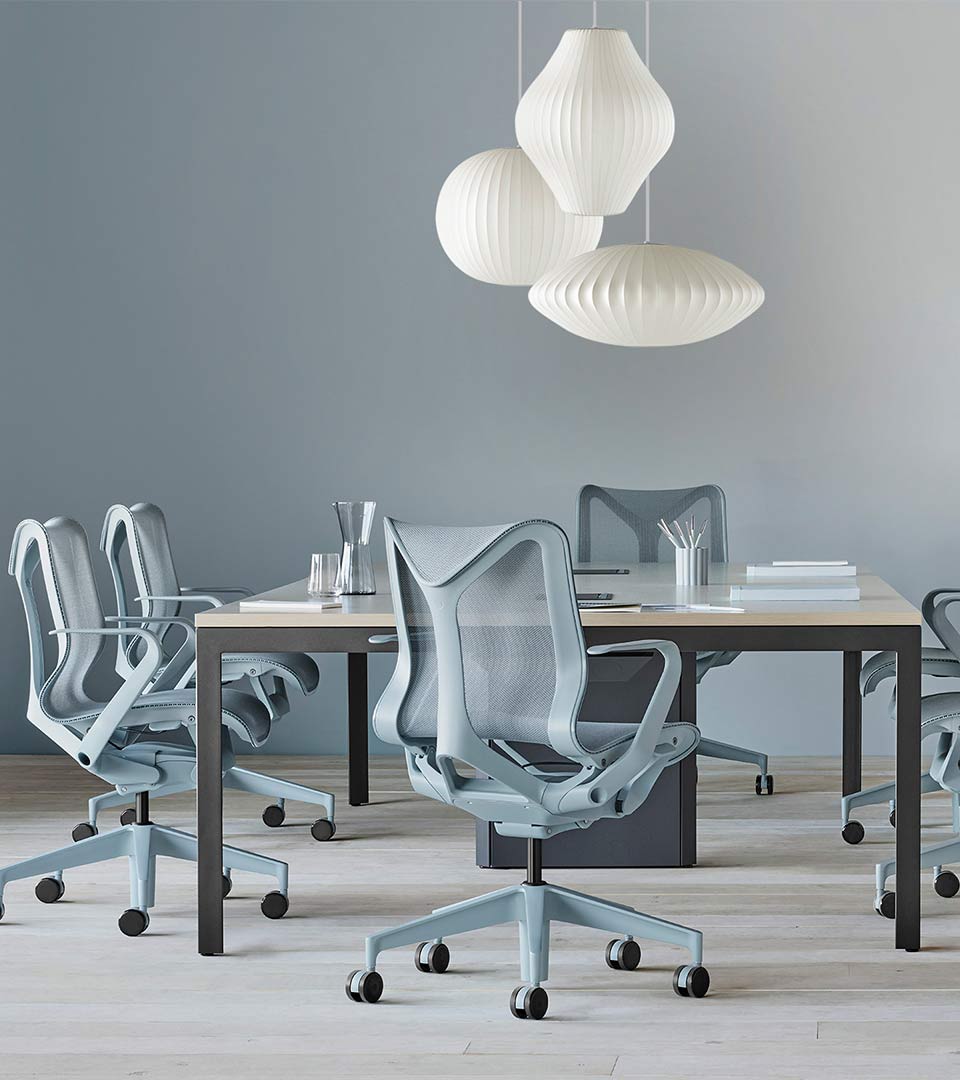



Across furniture, architecture and interiors, women continue to redefine the industry through innovation, rigour and collaboration.
At Living Edge, we celebrate the influence, leadership and creative contribution of women shaping contemporary design. This International Women’s Day, we are recognising individuals driving meaningful change and reaffirm our commitment to supporting and amplifying female voices across the global design community.
Here, we spotlight the contribution of women shaping contemporary design, highlighting their influence on furniture, spaces and design culture.
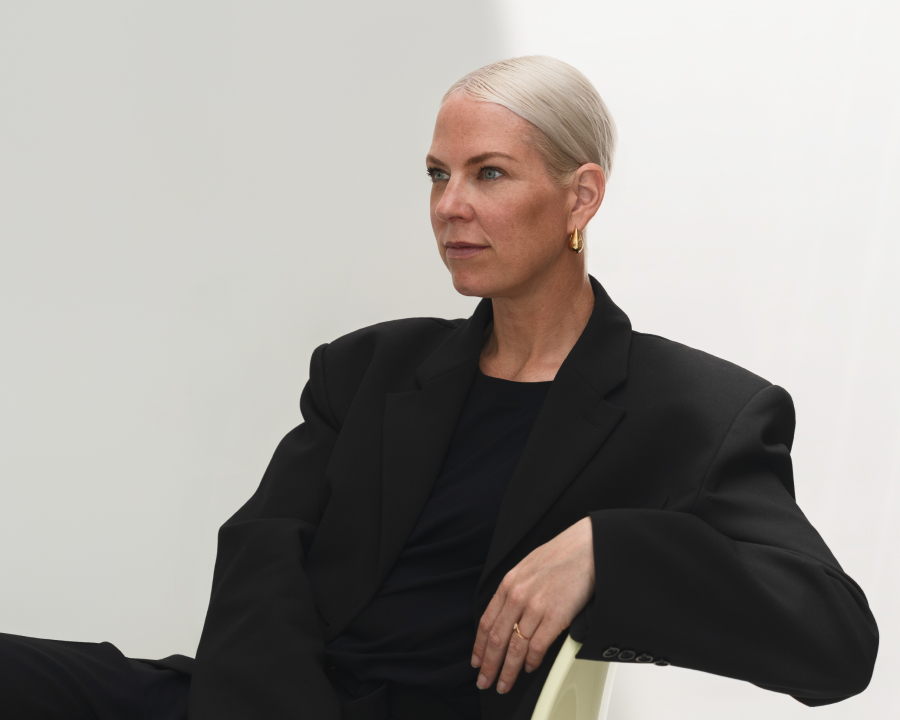
Sabine Marcelis
BD Barcelona DesignHow do you approach designing a piece that is visually striking while remaining functional in everyday spaces?
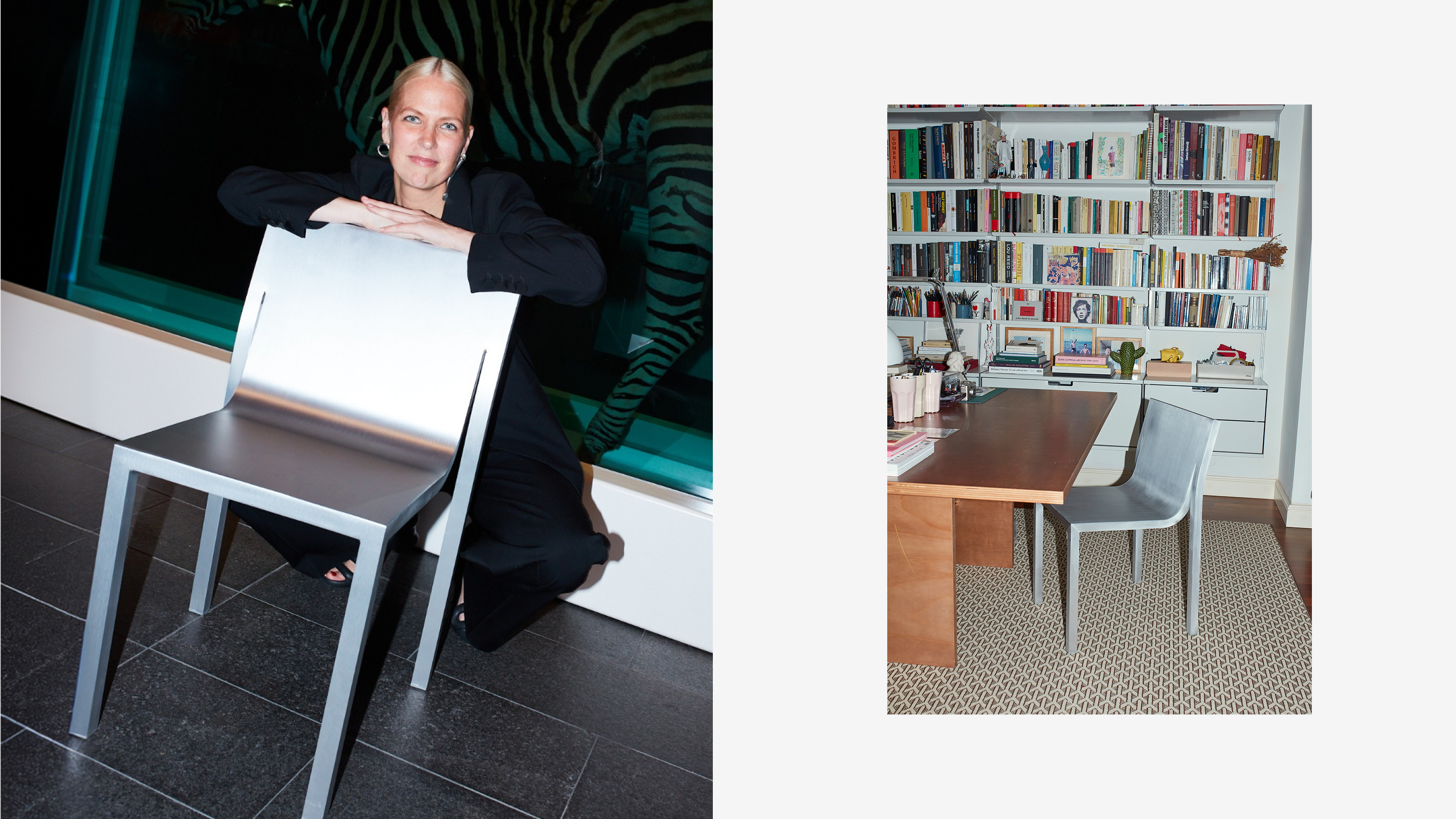
“I always try to create designs that draw a person in and make you want to touch them. With the Stedelijk chair, the curves of the legs have visual movement and make you want to follow that movement with touch.”
Of course, function is always the most important and this chair had many functional demands; stackable, lightweight, responsibly sourced and recyclable material use. It’s my entire job to make that work within a design language that still feels very fresh and unseen.
As someone whose career crosses installation art and product design, what do you consider the most exciting evolution in contemporary design right now and where do you see it heading?
Despite the challenges facing the world — and the often resource-intensive nature of design — this is an incredibly exciting moment for our industry. Material science is advancing rapidly. In our own studio, we recently received the first batch of a 99% bio-based resin, something that would have been unthinkable just a few years ago.
A new generation of materials is opening up unprecedented possibilities, enabling firsts and expanding creative horizons. From smart materials and invisible technologies to those that can be grown rather than manufactured, these developments are deeply compelling. We’re actively experimenting across this space to explore what they might become.
Jo Mawhinney
Director – Living Edge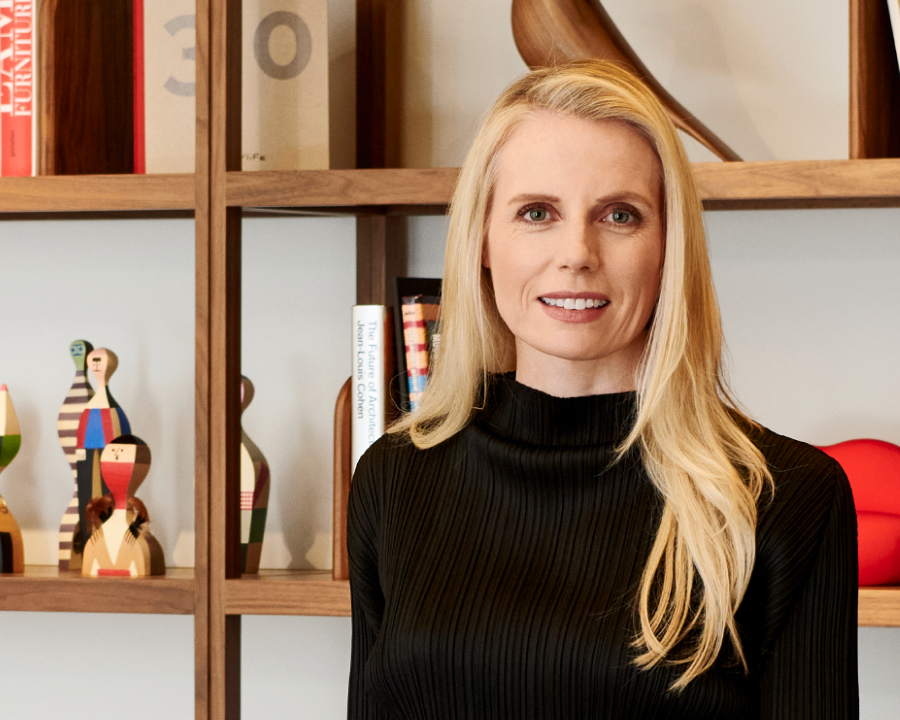
How do you see the role of women shaping the conversation around design curation and customer experience?
The design vision for Living Edge is in a constant state of evolution, shaped by emerging technologies and the changing ways we live and work. As these shifts occur, women continue to step forward with strength and clarity, leading conversations both in the home and in the workplace.
“The influence of women is increasingly evident in how spaces are conceived: with greater intention, empathy and purpose”.
Every day, I consciously place myself in the position of our customer. Design, for me, has always begun with understanding, not assumption.
What continues to inspire you creatively and professionally?
What continues to inspire me is the constant evolution of how people live and interact with space. Design is never static, it reflects culture, technology, and values at a particular moment in time. I’m inspired by seeing emerging designers challenge conventions, and by the responsibility we must curate thoughtfully, not just what is beautiful, but what is meaningful and enduring.
Professionally, longevity is a top value of mine. I’m motivated by building something that lasts, a company culture, a design legacy, and a standard of integrity. Creativity, for me, has always been about staying curious.
Are there particular women, past or present, who have influenced the way you lead?
I have always been deeply fascinated by the stories of women throughout history — the strength, resilience and quiet tenacity they embodied in order to achieve their goals. So many of their contributions were made in environments that were not designed to support them, which makes their accomplishments all the more extraordinary.
I come from a long line of women defined by quiet inner strength, women who simply got on with the task at hand, regardless of how difficult the circumstances. My grandmothers led their families with steadiness and resolve. My mother is fiercely independent, grounded and content within herself, a powerful example of self-assured leadership without noise.
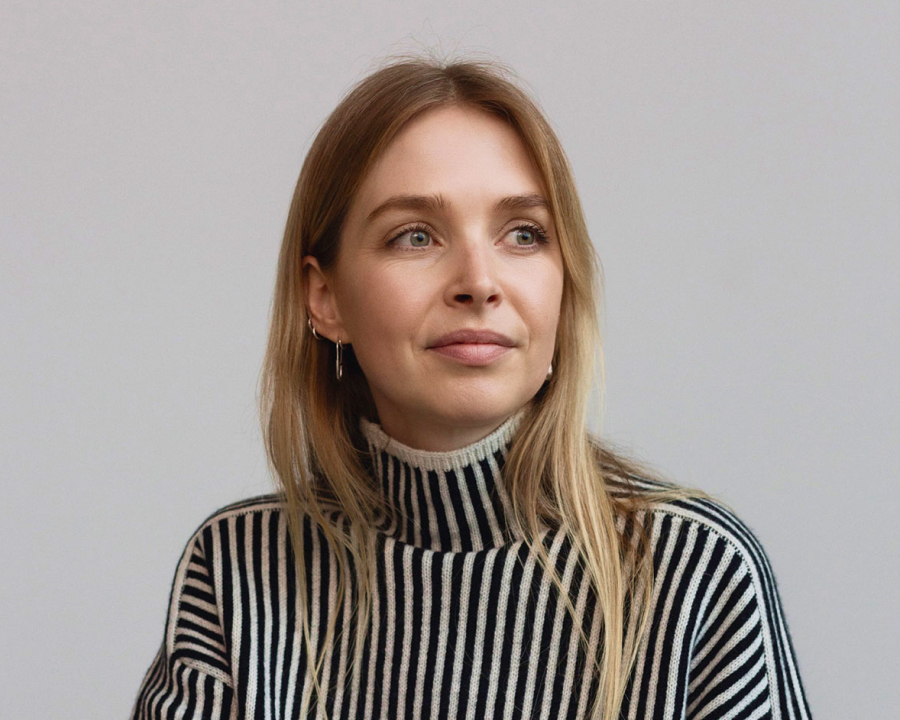
Photography credit: Cecilie Jegsen
Lise Vester
MuutoWhat do you see as the most meaningful shift happening in contemporary design right now, and how do you hope it will shape the way people live with design in the future?
I see a meaningful shift toward design that values longevity, craftsmanship, and emotional relevance over pure novelty. There is a growing appreciation for materials with honesty and character, and for objects that carry a sense of process, where the making and the story become part of the value.
I also think we’re moving toward a more personal way of living with design, where old and new can coexist beautifully. A thrifted mahogany table can sit naturally alongside inherited pieces and a colourful new sofa – and that mix often feels more meaningful than a perfectly matched interior. I hope this shift will encourage us to buy less, choose more carefully, and live with objects we genuinely need and love over time. In the long run, that can create a deeper sense of care, both for the things we own and for the environments we shape around us.
What inspires you creatively and professionally?
I’m inspired by exploration – especially materials, prototyping, and the discoveries that happen when you test ideas in real life. I love visiting craftspeople and manufacturers, learning from their techniques, and letting the process lead to new questions. Watching a material behave in unexpected ways, or learning a new tool or technique, can open up entirely new directions.
Professionally, I’m driven by the idea that design can do more than solve practical needs. It can shift perspective, change mood, and create small moments of meaning in everyday life. That mix of curiosity and purpose keeps me moving. The excitement of experimentation, combined with a belief that design can genuinely improve how we live.
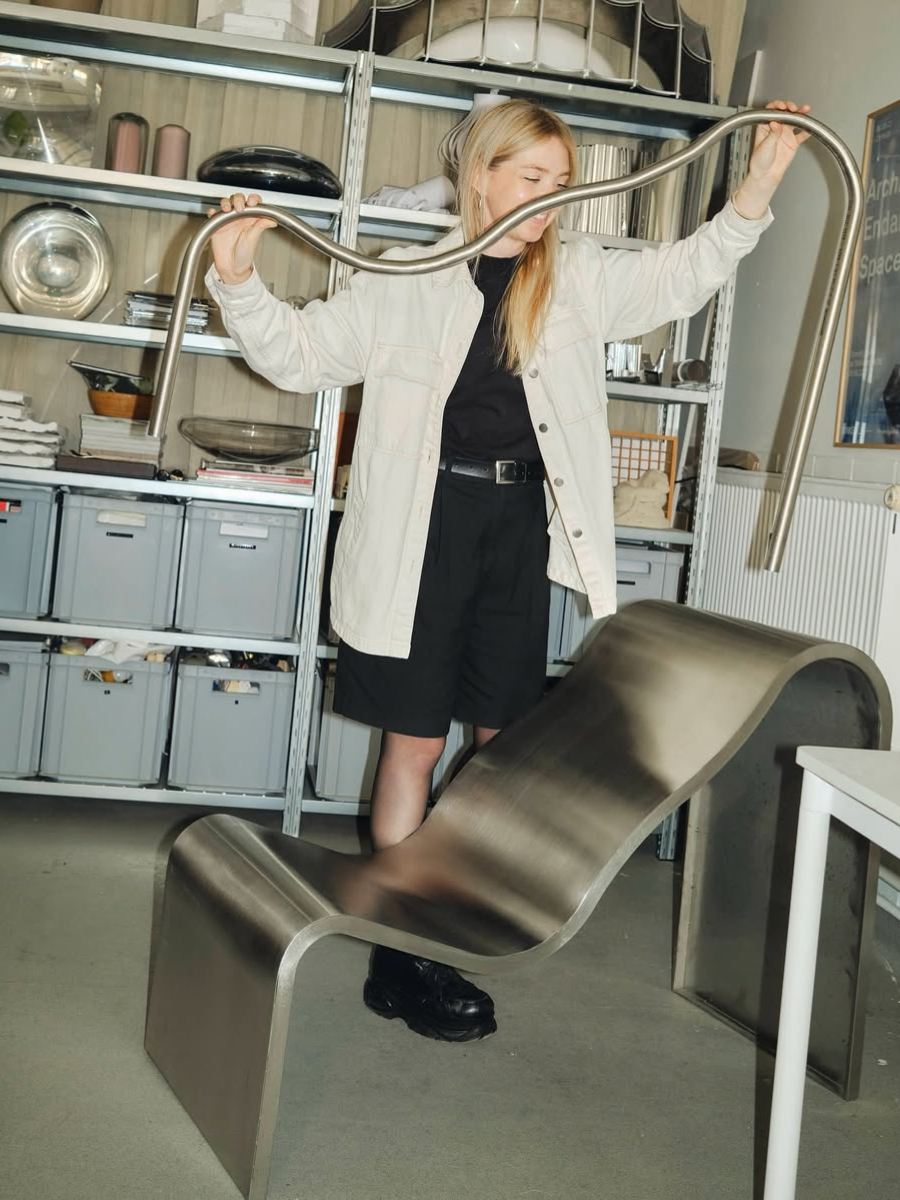
“I’m driven by the idea that design can do more than solve practical needs. It can shift perspective, change mood, and create small moments of meaning in everyday life.”
The Dream View Bench encourages moments of pause and reflection. What emotional experience were you aiming to create in people who interact with it, and why is that important to modern design?
With the Dream View Bench, I wanted to create a grounded, restorative experience, simply through posture and perspective. The bench gently leans the body back and guides the gaze upward, toward the sky. When we look up, we step out of our usual visual context – the horizon, the cityscape, the constant signals – and that can create a feeling of openness, calm, and connection to something bigger than ourselves.
I also wanted the bench to be playful and inviting. Its sculptural form is the result of repetitive ergonomic testing, and its organic line encourages curiosity and different ways of using it. In Designmuseum Danmark’s garden, I’ve observed people sitting alone, sharing a pause, moving them around, closing their eyes – and I’ve even seen children sliding and playing on them. To me, that openness matters. People rest in different ways, and the bench allows each person to make the experience their own.
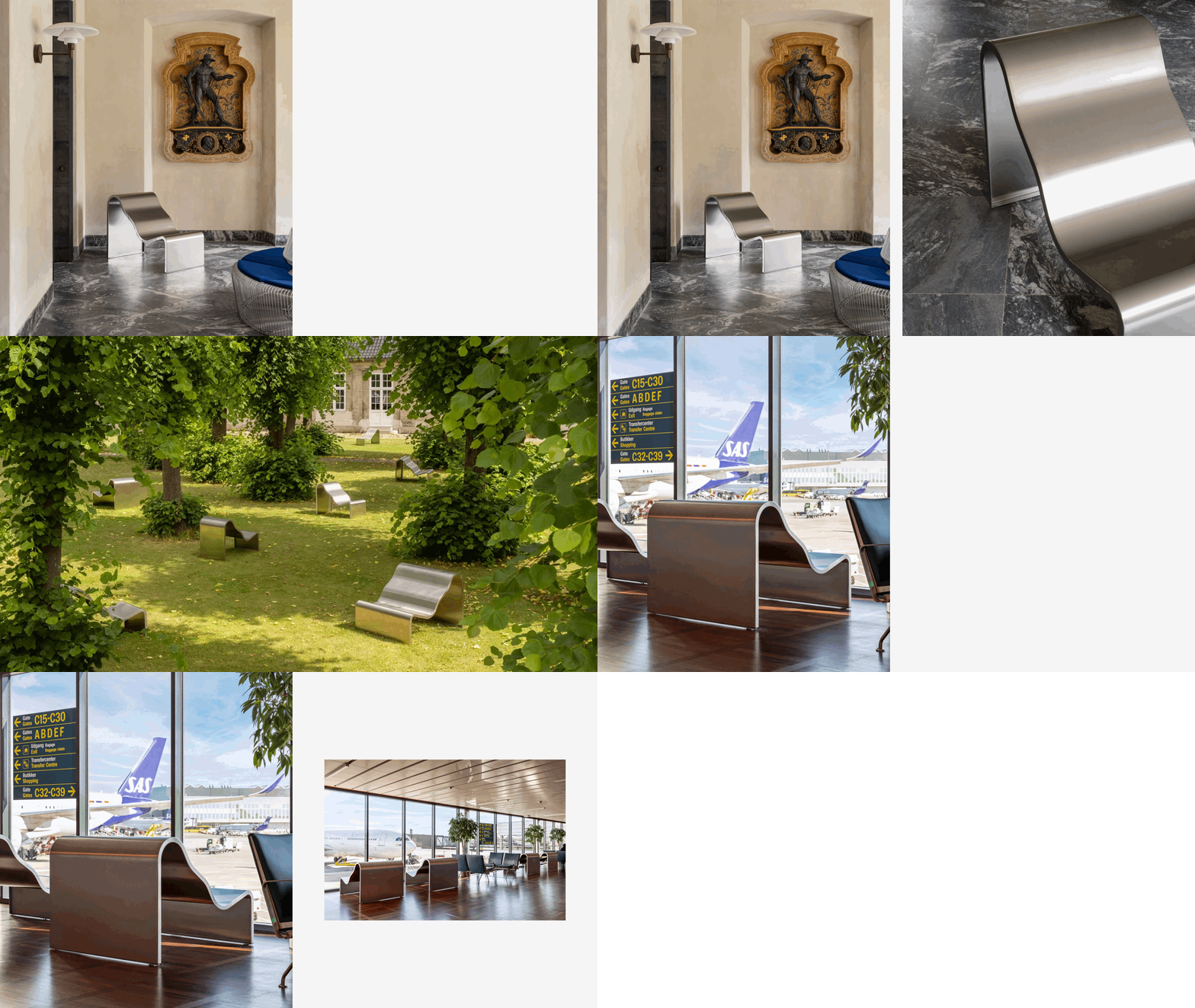
In a fast-paced culture where our attention is constantly pulled by news, work, and screens, I believe modern design has a role to play in creating small, gentle interruptions: moments that help us pause, daydream, reset, and return a little more present.
Ashleigh Lyford
Senior Associate – Woods Bagot
Where do you find ideas and inspiration?
I often find inspiration in the spaces between things: the moments before a workshop begins, the early conversations we have with teams, and the explorations that unfold as we step into a new context or community often spark the most meaningful ideas. These in-between moments tend to reveal what people value, what energises them, and what they are quietly trying to resolve in their day-to-day experience of work.
Ideas also come from looking outside the workplace sector: hospitality, education, urban environments and the natural landscape often offer richer clues about atmosphere, flow and human comfort. Exploring those parallels helps us think more freely and imagine environments that feel more grounded and more attuned to how people want to inhabit space.
How does furniture play a role in shaping human-centric environments? Can you give us an example?
Furniture is an essential driver in creating human-centric workplaces because it sets the tone for how people move through their day. In our recent reimagining of BHP’s Perth office, we spent a lot of time considering the small, often invisible moments that influence comfort and focus. Selecting the Aeron was part of that process. We weren’t chasing a specification; we were looking for a chair that would simply get out of people’s way and allow them to work in the way that feels most natural to them. It reinforced something we intuitively know as designers: when furniture choices align with how people actually work, rather than how we expect them to, the whole environment becomes more supportive in a quiet, almost seamless way.
“When furniture choices align with how people actually work, rather than how we expect them to, the whole environment becomes more supportive in a quiet, almost seamless way.”
What is one societal or industry “norm” you choose to challenge, or you think should be challenged?
One pattern I often notice in workplace design is a quiet pull toward uniformity. When every space begins to look and behave in a similar way, it can soften the distinctiveness of the organisations we are designing for.
For me, the challenge is not breaking a norm for the sake of it, but staying open to the subtleties that make each project unique. When we let those nuances guide the work, instead of leaning on preconceived formulas, the spaces that emerge tend to feel more human, more grounded and far less predictable. It is a gentle shift, but one that helps keep the work honest.
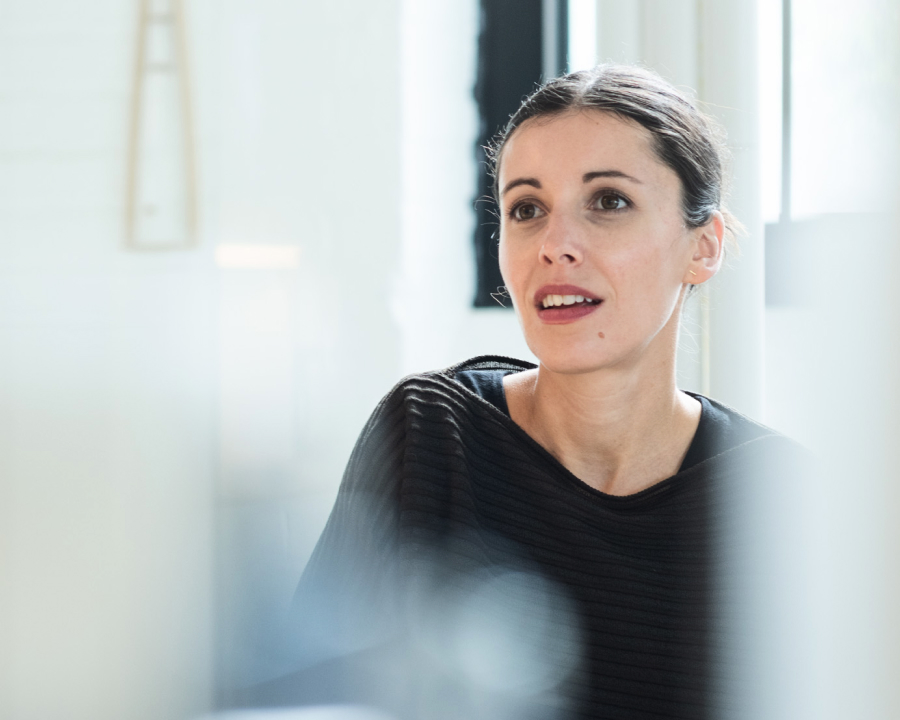
Zoë Mowat
Lambert & FilsHow has being a woman in design informed the way you approach materiality in your work?
I have always approached materials fairly intuitively. It’s important to know your stuff in this industry, so it’s always a balance of the empirical — the numbers and the hard skills — with your instincts.
Which woman has had the greatest impact on your life, and in what way?
My mother. She’s a sculptor who works in steel and stone. There was never a question as to whether I could do the same. She taught me the process of making and the quiet language of form, scale, proportion, material, and how that can be linked to a larger philosophy. Her work was incredibly influential to me and my practice early on and it continues to be.
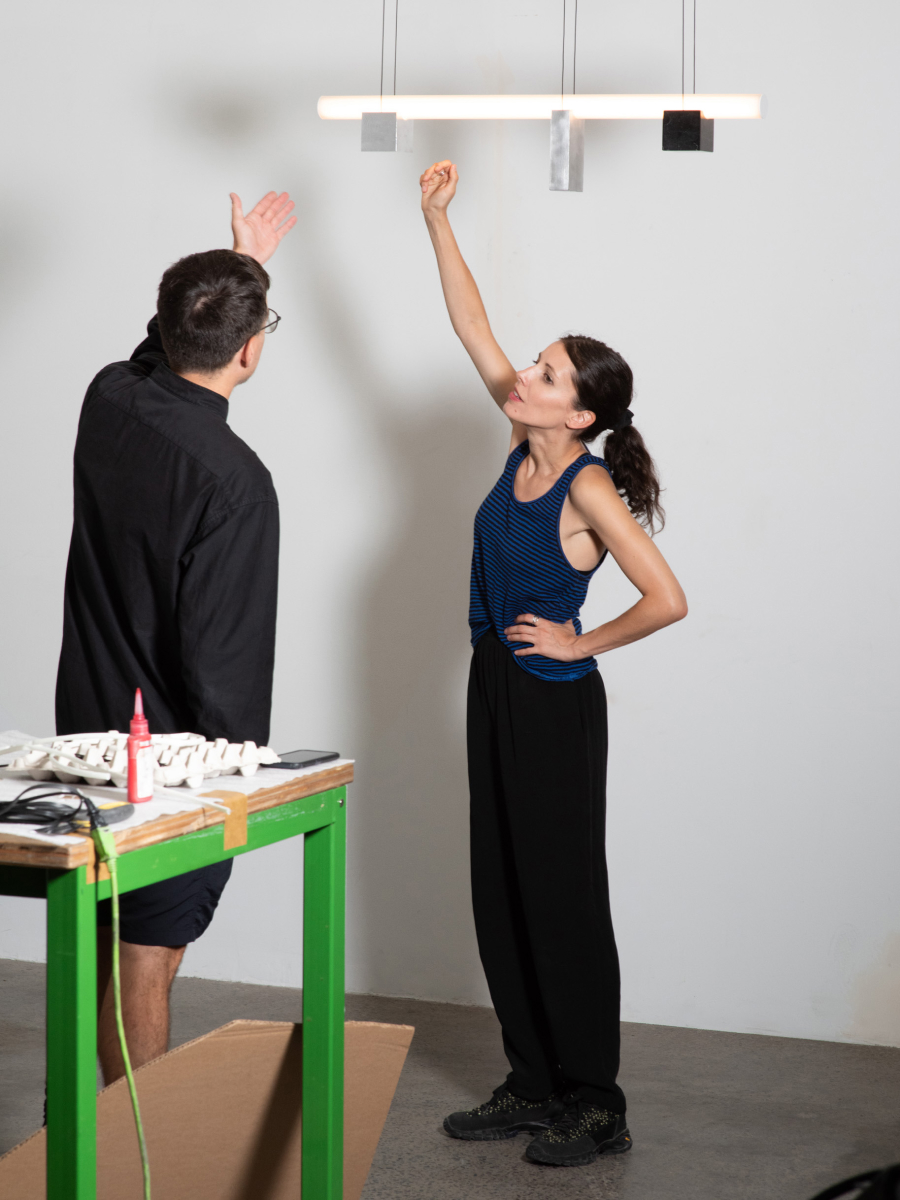
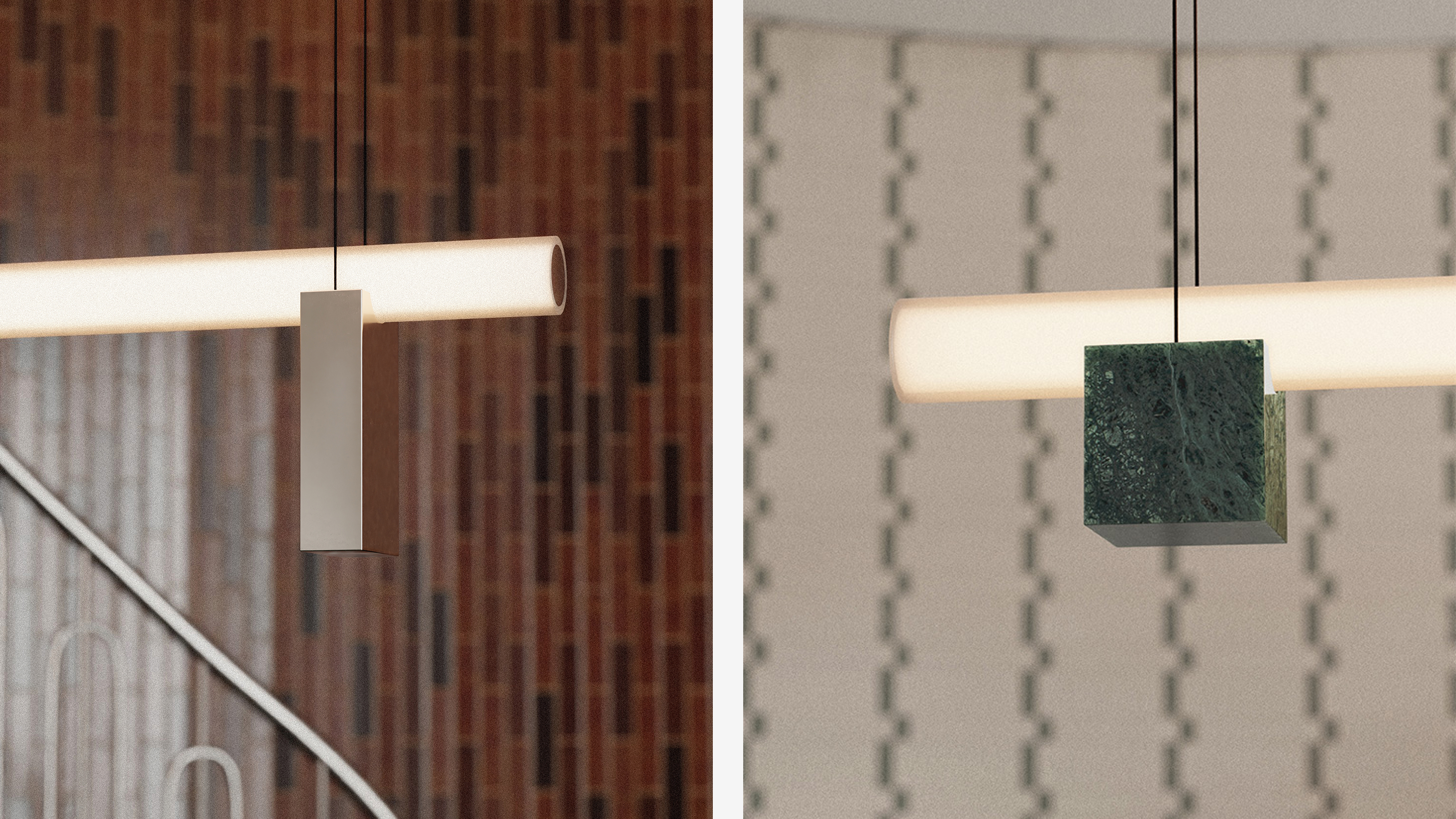
“For me, Isle is a play on contrasts — of matter and light, of mass and lightness. The versatile system honours and suspends solid volumes of material, exposing the materiality of light itself.”
Alexandra Kidd
Alexandra Kidd Interior Design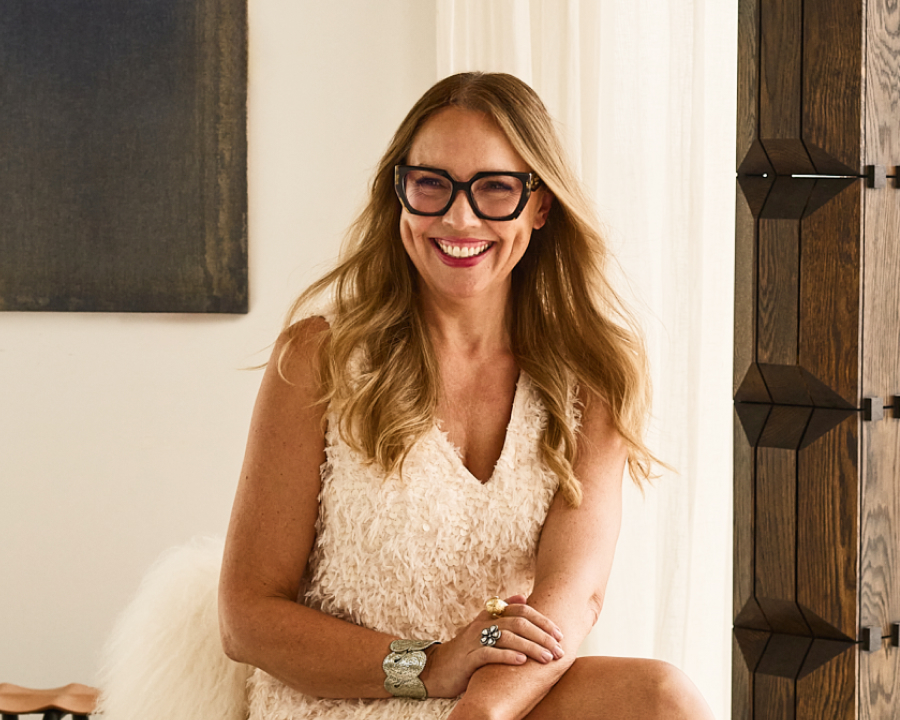
AK.ID is an all-female studio. How does your perspective as a woman influence the way you approach design, and how do you see design empowering other women?
As women, we carry a particular awareness of how a space feels to move through, to work in, to gather in. We notice what a room asks of the people inside it – whether it invites connection, restores energy, creates the conditions for life to unfold well. It is women who so often understand, most keenly, that where a family lives shapes how a family lives.
“Women have always understood, intuitively, that a home is never just a backdrop. It is the place where life is actually lived – where children are raised, where ideas take shape, where we recover from the world and return to ourselves. That sensitivity isn't incidental to good design. It is the foundation of it.”
Women are nuanced, layered, dynamic – and it is precisely that complexity that makes us sensitive designers. Every family we work with brings their own rhythm, their own needs, their own version of home. What we offer is the ability to truly listen, and translate that into spaces that feel deeply personal. For the women we work with, being genuinely heard, having their vision realised, is in itself empowering. A space intimately tailored to them and their families is care made permanent.
What role does legacy design play in shaping the character of a contemporary home?
Legacy design is about resisting the disposable. About making choices that don't just look right today but feel right in many years to come – choices that deepen rather than date. There's something very feminine in that instinct. Women tend to design for continuity. For the long story of a home rather than a single chapter – thinking about how a space will hold a family through different seasons, children growing, relationships deepening, priorities shifting. We choose pieces that carry meaning and become the scaffold to our family memories.
Culturally, we're at an inflection point. There's a growing exhaustion with interiors that follow cycles rather than instincts – homes that look curated but feel hollow. What we believe in at AK.ID is a return to emotional authenticity. People want homes that feel like them. That have been considered rather than assembled. Legacy design is part of that. When you invest in something made with real craft and material integrity, you are building a home with memory already written into it. Because the spaces we inhabit should do more than look right. They should hold meaning, absorb life, and grow more significant with time.
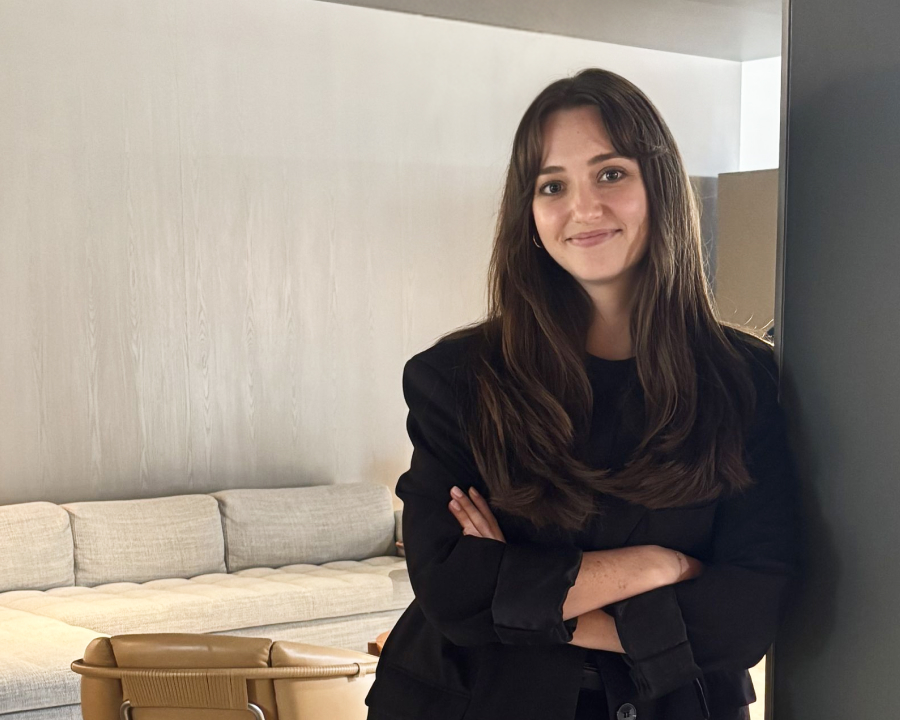
Caitlin Brown
Project Consultant – Living EdgeWhich woman has had the greatest impact on your life, and in what way?
The woman who has had the greatest impact on me is really a collective of the women I’ve worked alongside throughout my career. Being surrounded by intelligent, design-led, ambitious women showed me that excellence is non-negotiable. They’ve shaped how I think strategically, how I lead conversations and how I hold myself in professional environments.
In your experience, how does the female perspective shape the way design solutions are approached in projects?
The female perspective strengthens the focus on both fine detail and the end-user journey. It prioritises flow, material tactility, lighting quality and the lived reality of a space. It’s more about layered refinement, creating environments that feel intuitive and deeply considered.
Romaine Alwill
Director - Atelier Alwill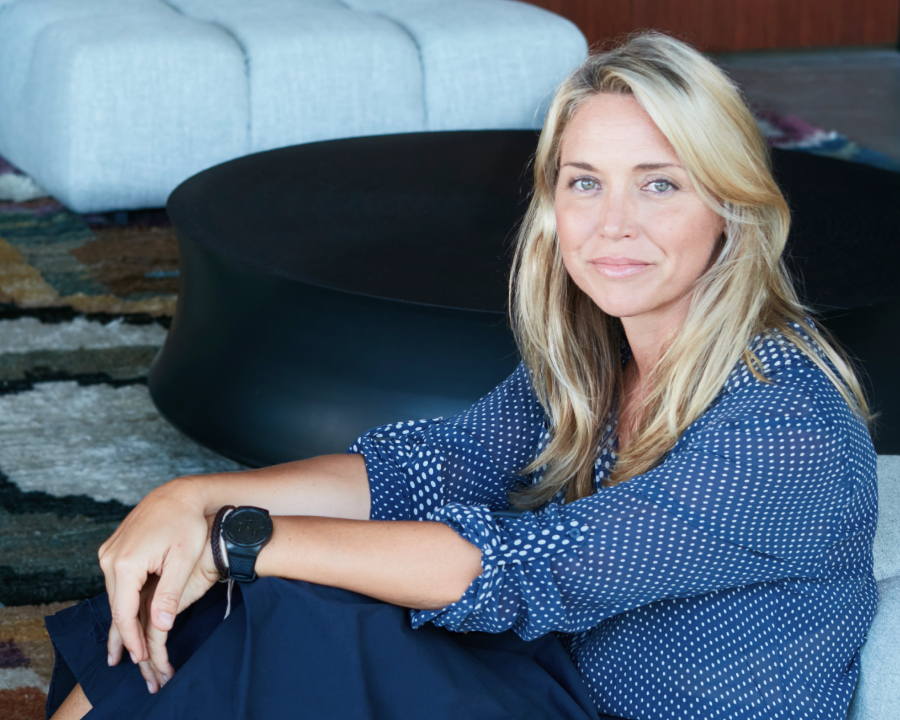
How does your perspective inform the culture and design thinking within your practice, and what impact do you hope this has beyond the studio?
I find as women we have to have a certain steadiness and strength to work in design and construction as there are still many misconceptions about what women have to offer to the industry. We try in our practice to embody the values of “Balance, Grace and Strength” in our work and how we operate with clients and colleagues, so that is an important pillar for us to hold on to.
“I think women also have an innate ability to read between the lines, pick up on nuances and imbue those client desires into design. We like to express a narrative through our work, one that speaks of the client brief and their way of life (as after all it is their home), respect the site and context and balance various design forces that you might be working with.”
We all wear various hats and take them all seriously – mum, daughter, aunty, sister and independent working woman. As such we are shrewd with time and efficiency and also I think most of us feel the pressure to do everything well. We all need to remind ourselves, we are only human and to be kind to ourselves and each other and that we are all there to support one another and then we can navigate any challenge with a good outcome.
How does being a woman and a mum shape your creative vision, and what inspires the work you do?
I think being a mother really does shape what you do. Being a mum has taught me so much but most of all how important it is to pave a way for our children by role modelling, practising empathy, but also standing your ground and trusting your instinct with grace.
As a mum, time is rare, having moments to yourself even rarer, so being in nature or getting to travel is precious and endlessly inspiring. I look for creating interiors that are enjoyable to live in, rather than being picture perfect. We aim for a sense of nourishment in a space. That could be feeling calm in a bedroom, or more energised in a living space, reflective in a study or inspired in a powder room.
I think in a world of information overload it is about honing a vision and framing a view and being confident in your path without visual clutter and in who you are. It's a principle that is really important in Japanese design and this is a place we find constant inspiration, as a concept rather than a literal aesthetic.
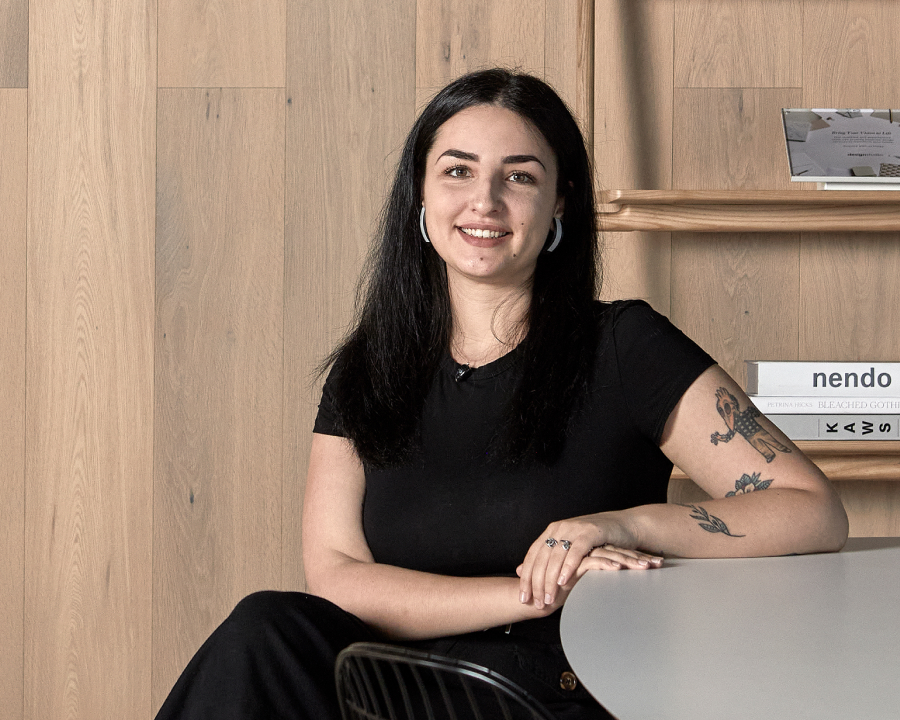
Christina Gana
Project & Operations Manager – Living EdgeWhich woman has had the greatest impact on your life, and in what way?
The woman who has had the greatest impact on my life is my sister. She’s one of those people who can do everything, and do it well. She’s always been my biggest inspiration, not just because of what she’s achieved, but because of how she shows up for the people around her. Her support has given me the confidence to take risks in my career and in life without constantly worrying about failure. Knowing that I have someone who genuinely believes in me has made a huge difference. If I fall, she’s there to catch me every time and that kind of support makes me braver than I’d ever be on my own.