
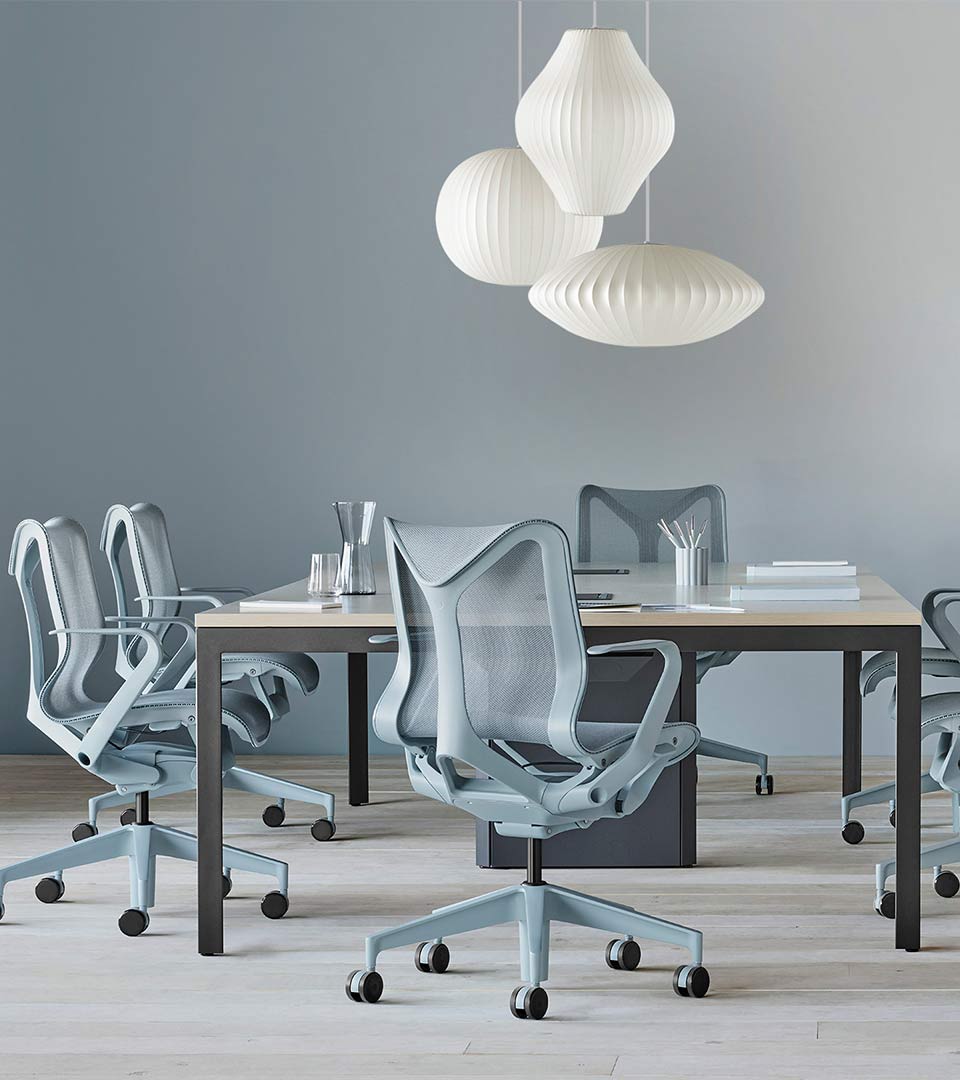



Herman Miller has unveiled new colours for the Aeron Chair, introducing two nature-inspired finishes that bring a refined, contemporary expression to high-performance task seating.
Two new nature-inspired, monochromatic finishes
Herman Miller has introduced two new nature-inspired finishes for its iconic Aeron Chair, evolving the ergonomic seat with a softer, more contemporary palette while further advancing its sustainability goals. The 2026 release also sees the brand prioritise aluminium bases over plastic components, reducing the chair’s overall carbon footprint.
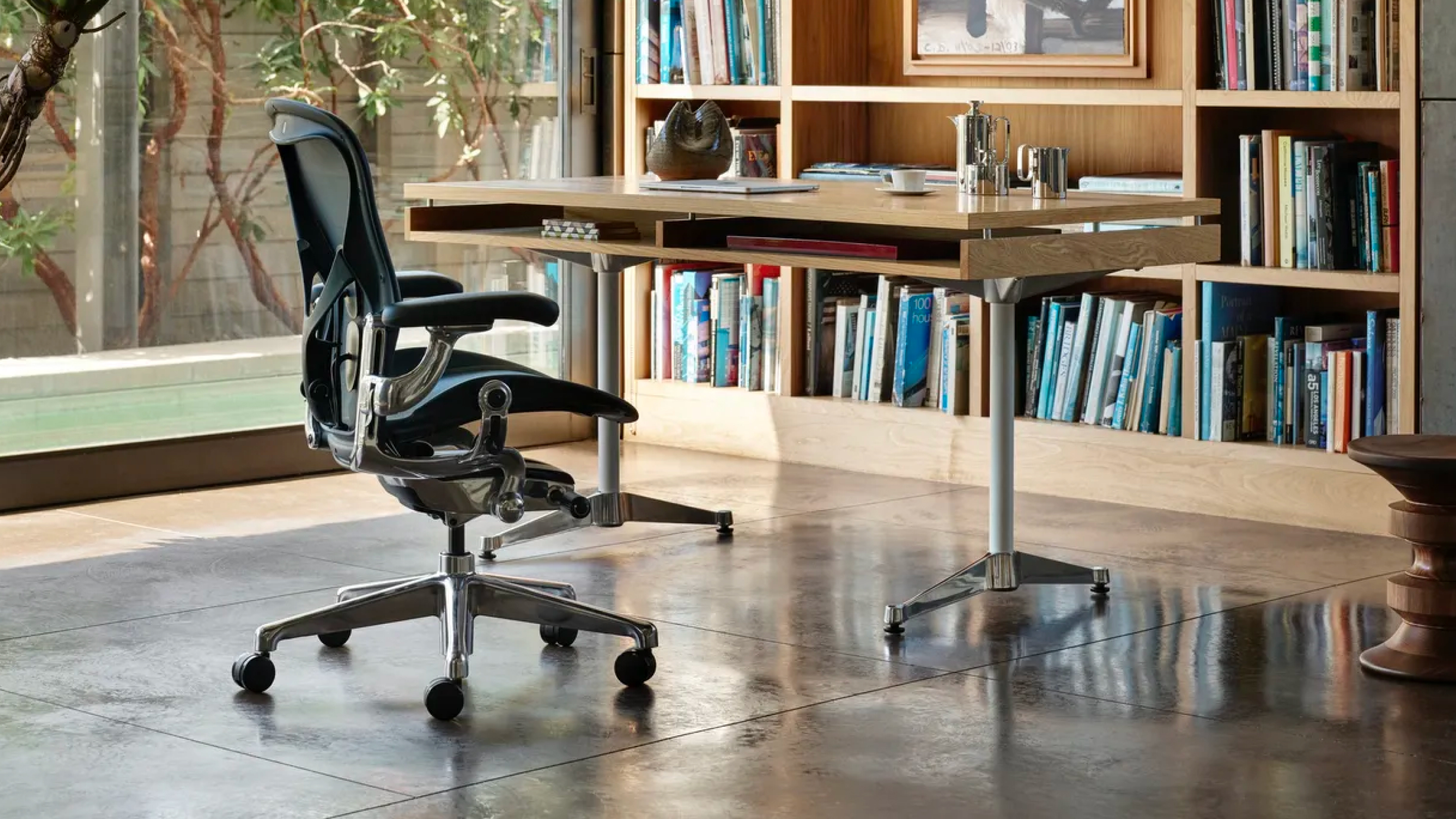
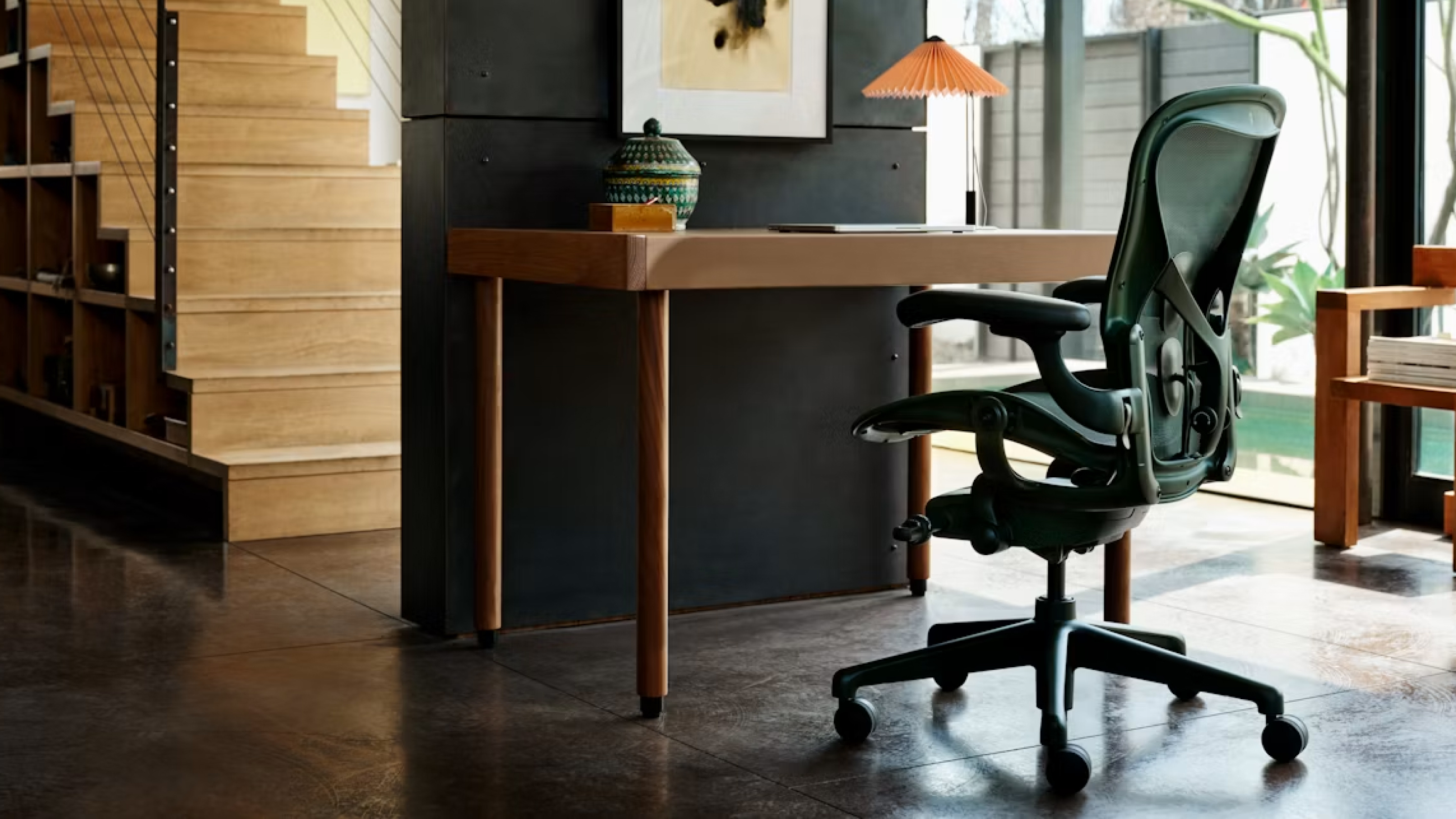
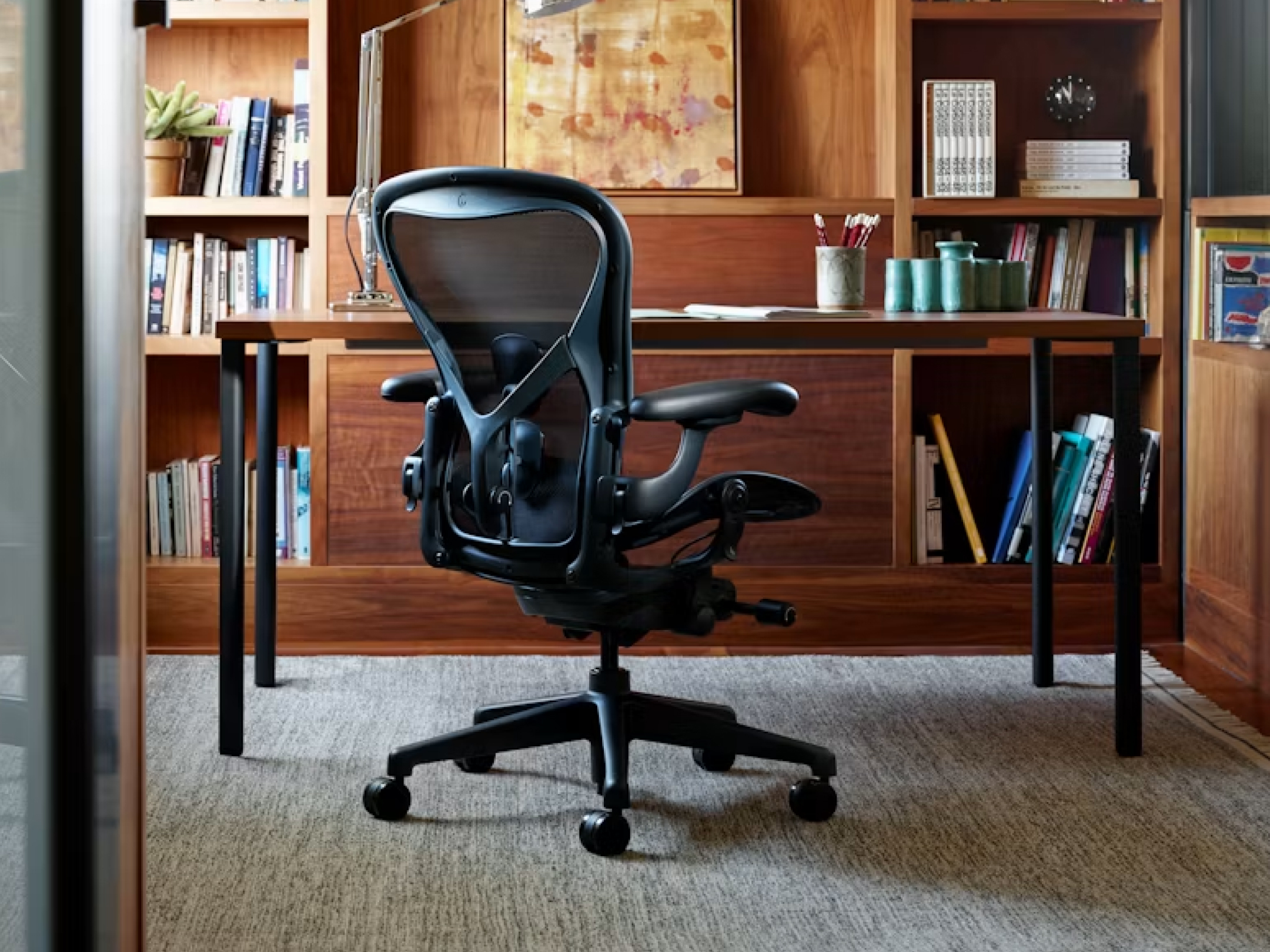
Grounded in biophilic design principles, the two new colours—Nightfall and Jasper—draw inspiration from nature to support wellbeing at home or office. Designed as timeless, near-neutral tones, the new finishes introduce warmth and depth while complementing the recognisable aesthetic of the Aeron collection.
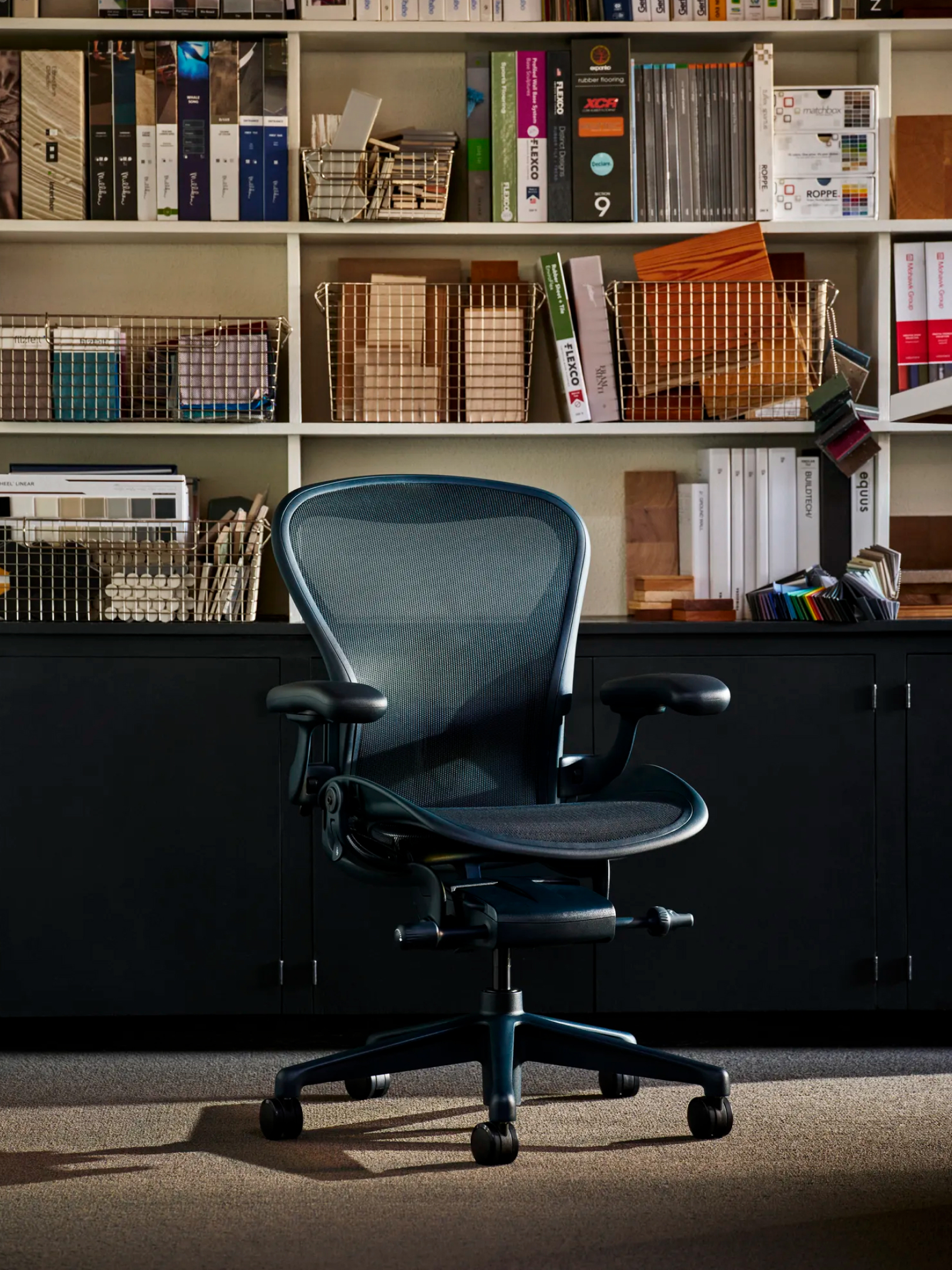
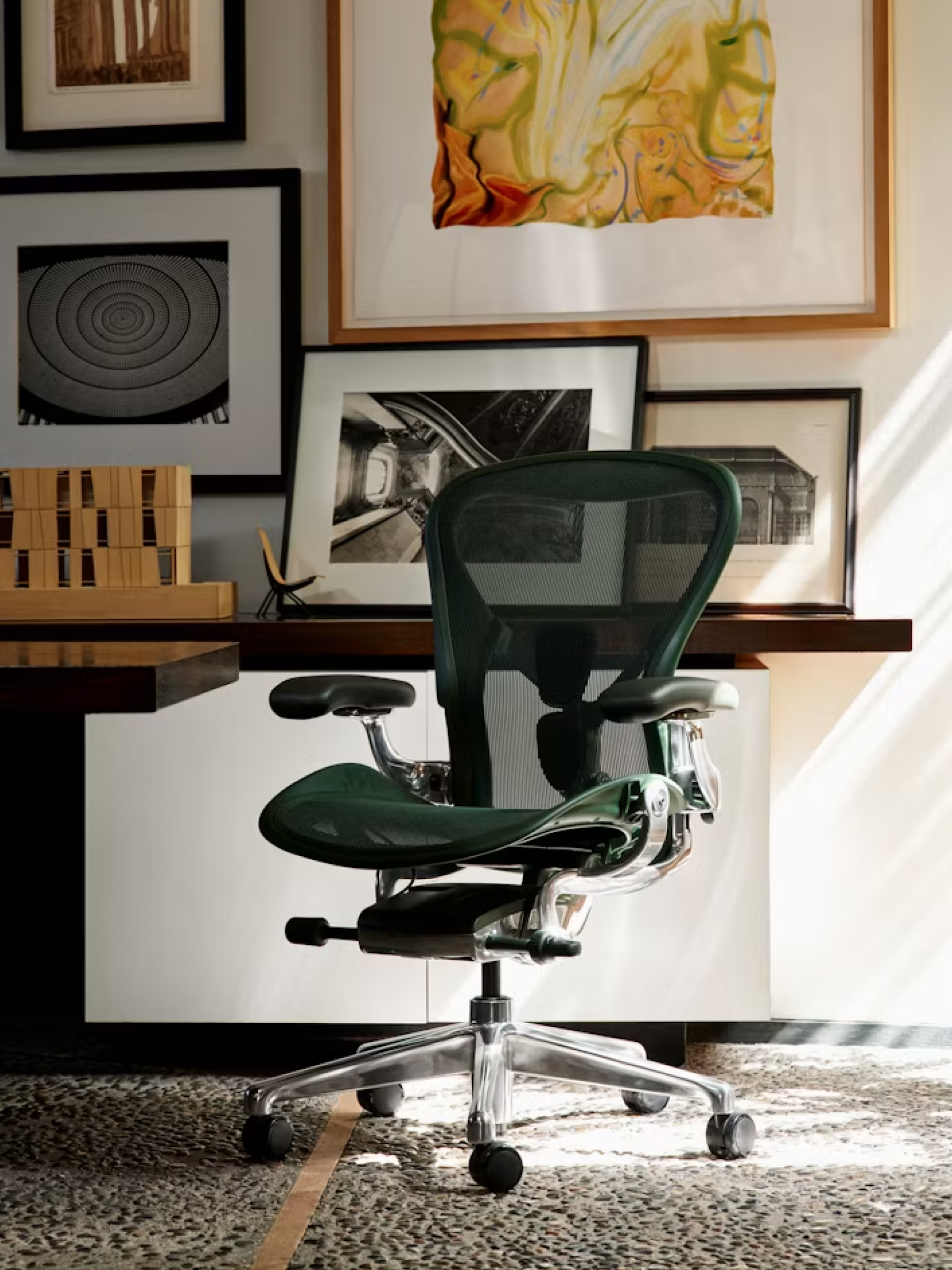
Inspired by the natural environment and colour psychology, the hues were selected to subtly reinforce different workplace behaviours. Blue supports collaboration and teamwork, while green encourages focus and reflection. Through the considered application of colour, furniture and interiors can intuitively shape distinct work modes while fostering wellbeing, connection and cohesion.
“Colour can be used as a strategic design tool to shape how people feel and work in a space.”
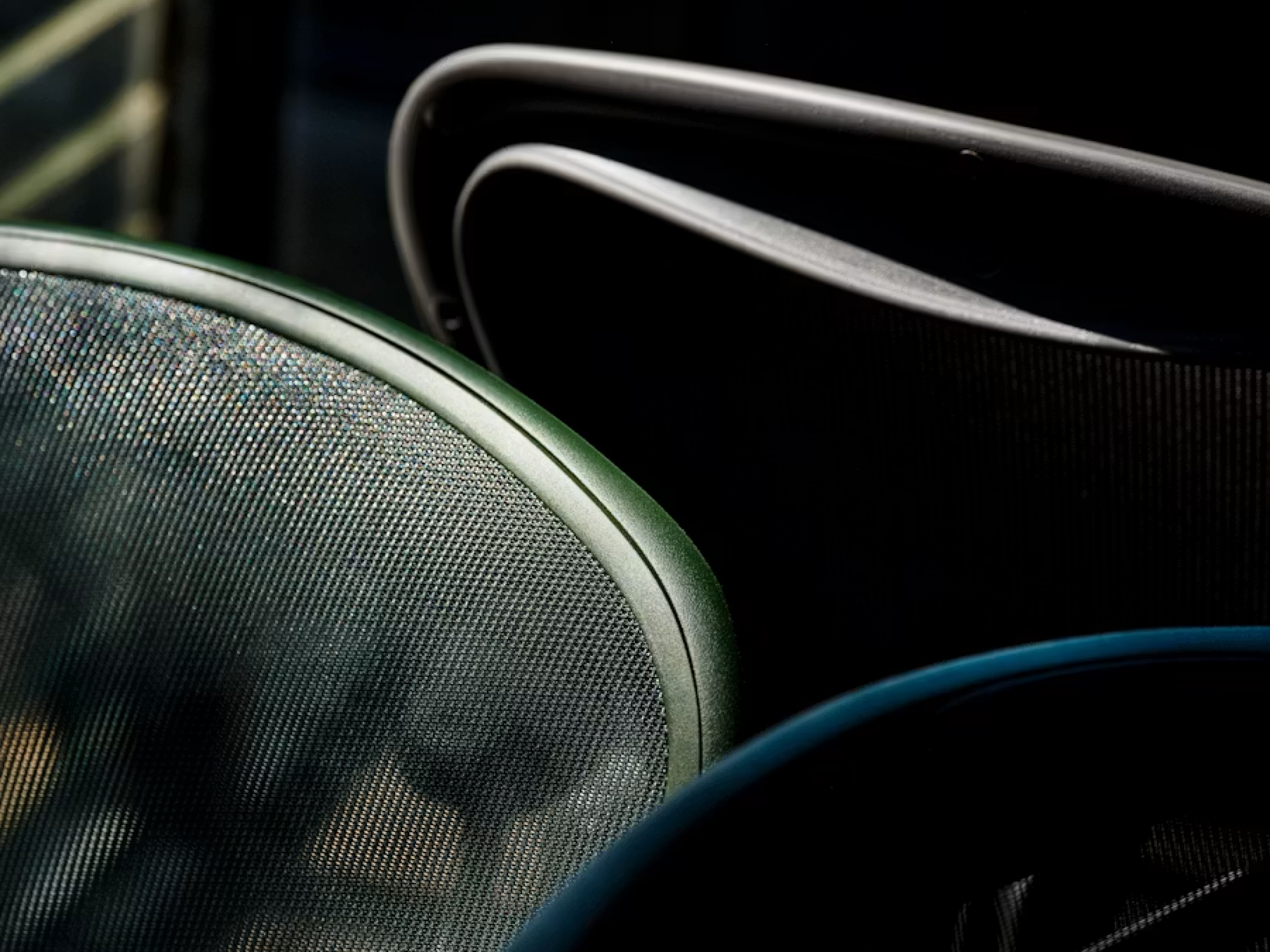
The new finishes are expressed through a refined monochromatic palette, where subtle tonal variation brings depth and visual richness to the design. While the frame, base, chassis and suspension of the high-performance task chair are fully coordinated in a single hue, key touchpoints—including the arm pads and tilt controls—are rendered in slightly deeper tones.
Engineered for a Smaller Footprint
Reflecting Herman Miller’s ongoing commitment to sustainability, the new finishes are exclusively available with an aluminium base. By prioritising aluminium over plastic across key product configurations, the overall carbon footprint of the chair is reduced, supporting meaningful progress towards long-term environmental goals while continuing to introduce thoughtful new design expressions.
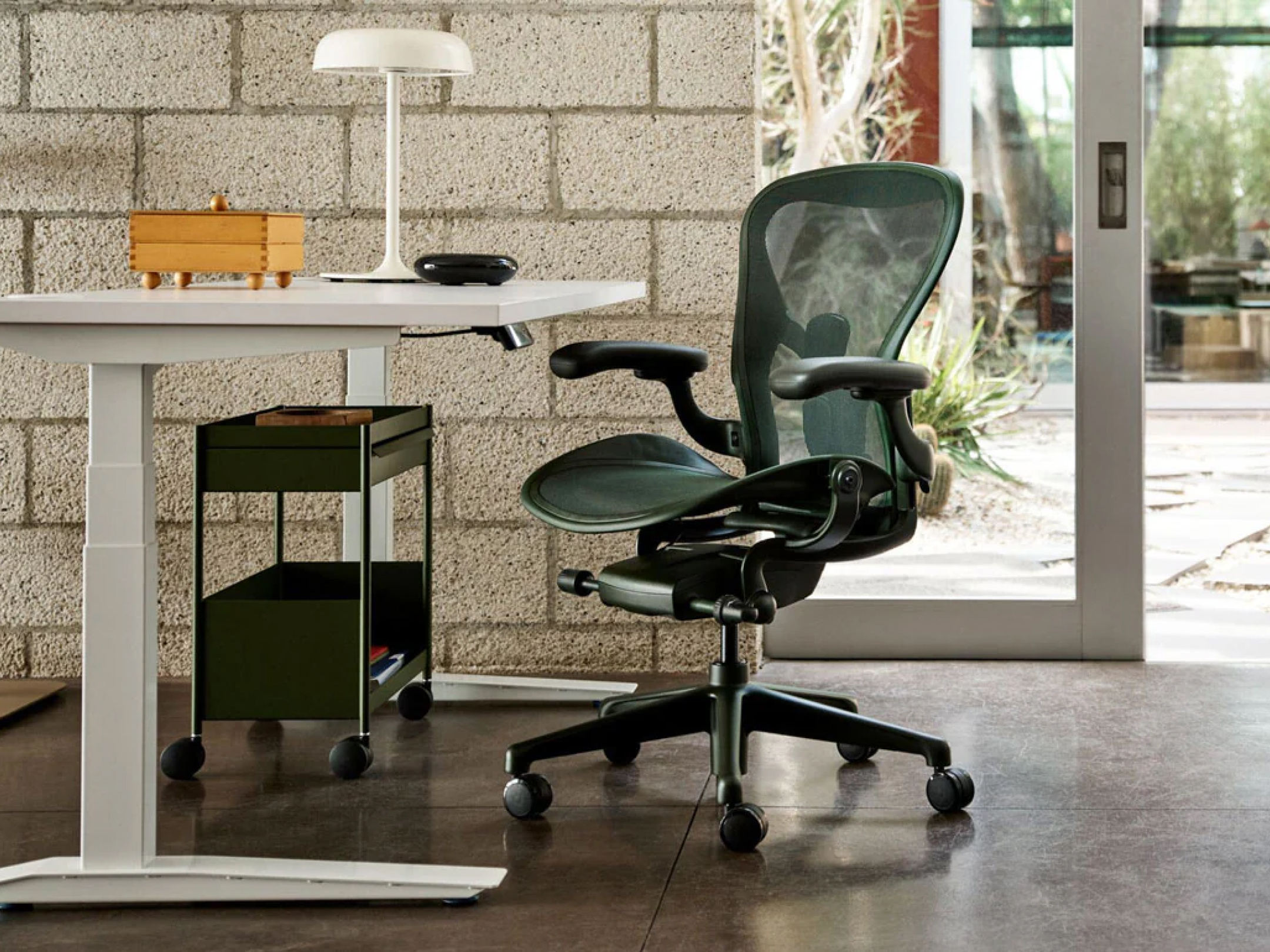
As a result, Herman Miller has reduced Aeron’s global average embodied carbon footprint by an estimated 12%. Reducing the average embodied carbon footprint was achieved through two key initiatives:
Implementing low carbon resins including post-industrial recycled and bio-based resins.
De-materialising the aluminium base, reducing the weight by 20% — 1.85 lbs / 0.84kgs.
Aeron’s latest evolution reaffirms MillerKnoll’s commitment to circularity and longevity via a design engineered to last, with materials chosen to re-enter the loop rather than landfill.